










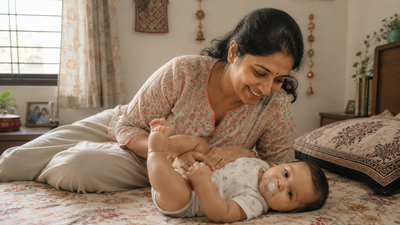
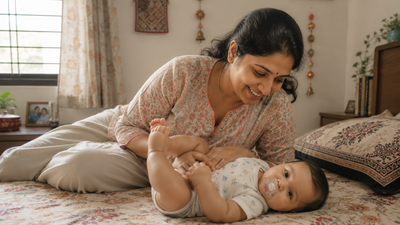
One of the first parenting debates often begins long before a baby says their first word. Should you give your baby a pacifier or avoid it altogether? Some parents support it because it calms a crying baby within seconds. Others worry it could affect breastfeeding, speech or dental development. With so many opinions online, it is easy to feel confused.The truth is, there is no one-size-fits-all answer. Most pediatricians agree that pacifiers can be a useful tool when used correctly and for the right amount of time. Like many parenting choices, the benefits and risks depend on how, when and for how long they are used, and a growing body of research now backs up much of that guidance.
28 Jul 2026 | 16:27
What was the most useful baby product during the first six months?
Here’s what experts and medical research say.
Why babies love pacifiers
Babies are born with a natural sucking reflex. It helps them feed, but sucking also provides comfort and helps them regulate emotions. This is known as non-nutritive sucking because the baby is sucking without feeding.According to the American Academy of Pediatrics (AAP), pacifiers can satisfy this natural urge to suck and help babies settle, especially during naps and bedtime.
The benefits of using a pacifier
One of the biggest advantages of a pacifier is that it can quickly comfort a crying or overstimulated baby. Pacifiers can be particularly helpful during vaccinations, blood tests or long car rides when babies need extra comfort.
It may reduce the risk of SIDS
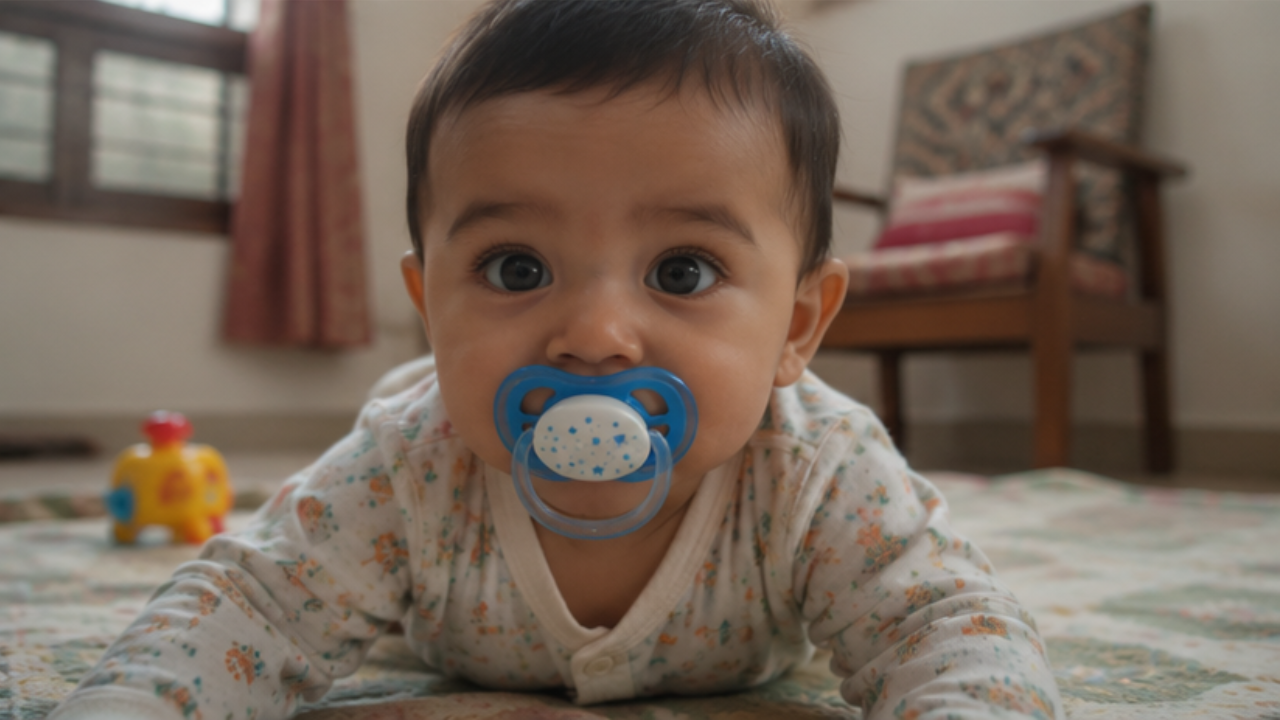
Studies have found a statistically significant protective effect of pacifier use against SIDS.
The American Academy of Pediatrics recommends offering a pacifier during naps and bedtime because studies have shown that it is associated with a lower risk of Sudden Infant Death Syndrome (SIDS). Researchers are still studying exactly why this happens, but experts believe pacifiers may help babies maintain lighter sleepA landmark 2005 meta-analysis in Pediatrics, the journal of the AAP found a statistically significant protective effect of pacifier use against SIDS, particularly when a pacifier was used at the final sleep before death. The researchers estimated that widespread pacifier use could prevent roughly one SIDS death for every 2,733 infants who use one during sleep.
It may help premature babies feed and leave hospital sooner
For babies born prematurely, non-nutritive sucking can help improve sucking coordination and prepare them for feeding. A 2016 Cochrane systematic review of 12 trials involving 746 preterm infants found that non-nutritive sucking significantly shortened the time babies needed to move from tube feeding to full oral feeding, and also reduced the overall length of hospital stay by an average of more than four days. It did not, however, show a clear benefit for weight gain.
Long-term use can affect teeth
Using a pacifier during infancy is generally not harmful for dental development. The problem arises when children continue using one for several years. The American Academy of Pediatric Dentistry says prolonged pacifier use beyond 18 months can increase the risk of dental problems such as an open bite or crossbite, and it recommends working towards stopping pacifier use by around 36 months. Research backs up that timeline closely. A 2025 scoping review in ‘Children’ found that the risk and severity of dental problems were most strongly tied to how long not just how often a child used a pacifier, with the likelihood of structural dental changes rising sharply after three years of continued use.The good news is that if children stop using a pacifier before their permanent teeth begin coming in, many bite changes correct themselves naturally.
It may increase ear infections after infancy
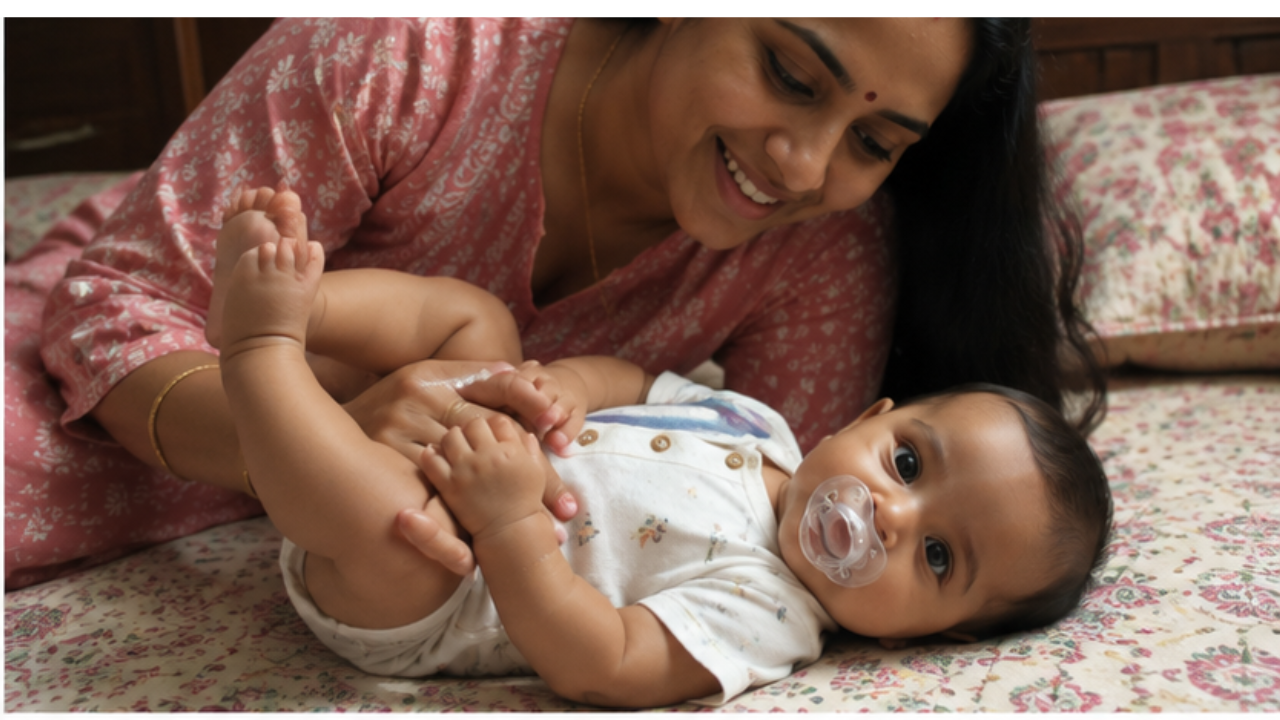
Pediatricians encourage parents to gradually reduce pacifier use after 6 to 12 months.
Research has found that frequent pacifier use after the first year of life may increase the risk of middle ear infections (acute otitis media). A Finnish research team led by Marjo Niemelä published some of the most cited work in this area. Their 1995 prospective study of children in day care found pacifier use was a significant risk factor for recurrent acute otitis media.Their follow-up study went a step further. It published in ‘Pediatrics’ in 2000 and found that when clinics actively counseled parents to limit pacifier use, children who used pacifiers less often had fewer ear infections Researchers believe this may happen because sucking on a pacifier can affect Eustachian tube function, potentially making it easier for fluid or pathogens to reach the middle ear. This is one reason many pediatricians encourage parents to gradually reduce pacifier use after six to twelve months, especially if the child has repeated ear infections.
Babies can become dependent on it
Some babies become so attached to their pacifier that they wake repeatedly at night whenever it falls out. While this is not medically harmful, it can disrupt everyone’s sleep and make weaning more difficult later.
Pacifier safety: What every parent should know
Experts stress that safe use matters as much as the decision itself. Follow these simple rules:
- Choose a one-piece pacifier that is appropriate for your baby’s age.
- Never dip a pacifier in honey or sugar.
- Never tie a pacifier around your baby’s neck or attach it with long strings, as this can create a strangulation risk.
- Replace cracked, torn or damaged pacifiers immediately.
- Keep pacifiers clean and sterilised, especially during the first six months.
So, should parents use pacifiers?
Most experts say parents should think of a pacifier as a tool and not a necessity. If your baby enjoys using one, sleeps well with it and breastfeeding is already established, there is little reason to avoid it; the strongest available evidence suggests it won’t undermine breastfeeding and may meaningfully lower SIDS risk. On the other hand, if your baby refuses a pacifier, there is no need to force it. Many babies naturally soothe themselves in other ways.The decision should be based on your baby’s needs rather than pressure from family, social media or parenting trends.