









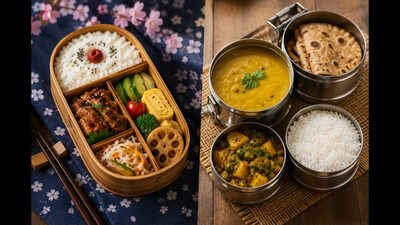
Around noon, offices and classrooms across Japan begin to fill with the quiet click of bento boxes opening. Inside, there’s often a carefully arranged meal of rice, grilled fish, vegetables and a rolled omelette, every item tucked neatly into its own space. Thousands of kilometres away in India, lunch arrives with the familiar clatter of stainless steel tiffins, revealing warm rotis, dal, sabzi, rice and perhaps a spoonful of homemade pickle. One looks like it belongs in an art gallery, the other feels like home in a box. At first glance, these two lunch traditions couldn’t appear more different. One celebrates precision and presentation, the other practicality and abundance. Yet both have endured for generations because they represent something far greater than a midday meal. They carry family traditions, regional identities and an unmistakable sense of care.
A tale of two lunch traditions
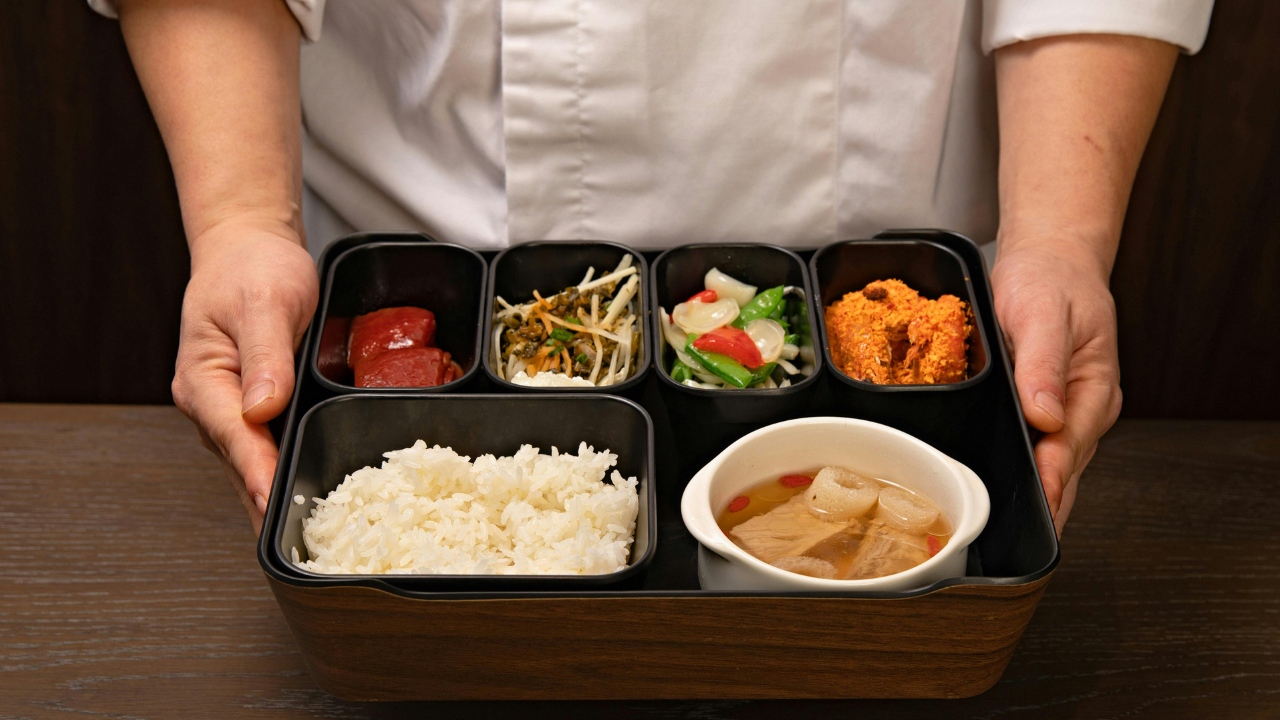
Japan’s relationship with the bento stretches back centuries. Historians trace its origins to the Kamakura period, when travellers carried dried rice on long journeys. Over time, those simple packed meals evolved into beautifully prepared lunch boxes enjoyed by students, office workers and families on picnics beneath blooming cherry trees. Today, making a bento is still a cherished morning ritual in many households, with parents waking early to prepare balanced meals that are as pleasing to the eye as they are nourishing.
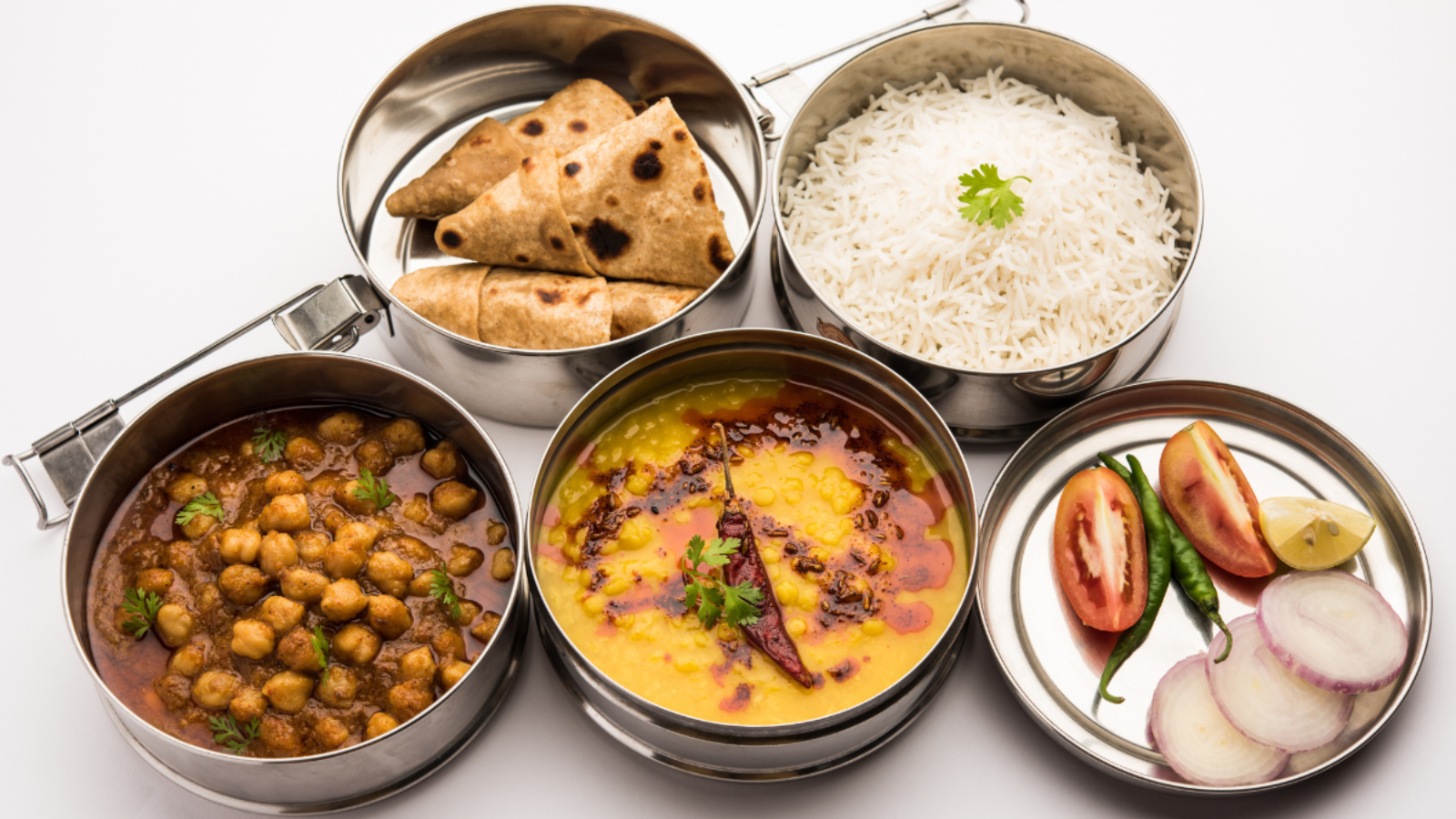
भारतीय खाना (सांकेतिक तस्वीर)
India’s tiffin tells a different story. Although the word “tiffin” arrived during British colonial rule, Indians made it entirely their own. The humble stacked steel container became a symbol of homemade food travelling from kitchen to school or workplace every single day. In cities like Mumbai, the tradition became so deeply woven into daily life that an entire network of dabbawalas emerged to deliver freshly cooked lunches with extraordinary efficiency.While one tradition evolved around aesthetics, the other grew around convenience, community and the comfort of home cooking.
Why every Japanese bento looks like a work of art
In Japan, presentation isn’t an afterthought. It’s part of the meal itself. A traditional bento is carefully arranged to create balance in colour, texture and proportion. White rice sits beside bright green vegetables, golden egg, deep red pickles and grilled protein, creating a meal that’s visually satisfying before the first bite. Empty spaces are avoided, ingredients are packed tightly to prevent movement and even the simplest lunch often feels thoughtfully composed.
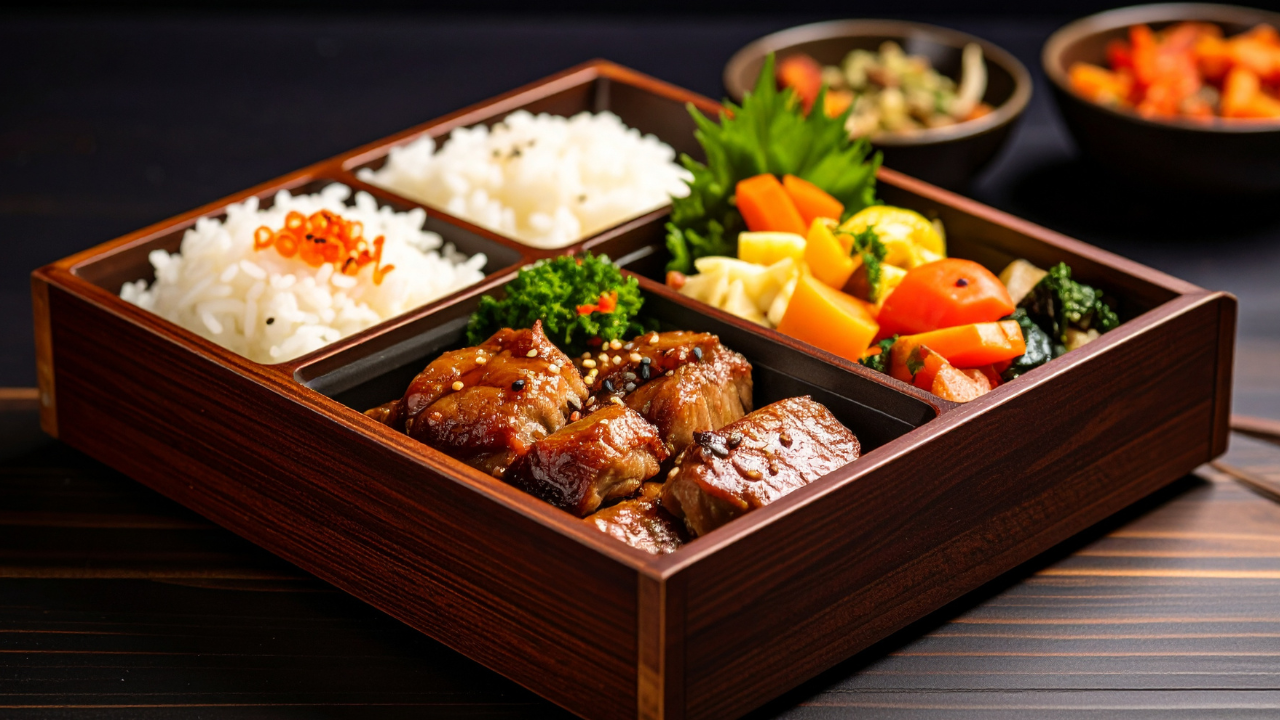
For children, some parents go a step further by creating kyaraben, or character bentos, transforming rice, seaweed and vegetables into cartoon faces, animals and popular fictional characters. It’s a playful expression of affection that turns lunchtime into something children look forward to.
Why the Indian tiffin is all about comfort
If the Japanese bento is designed to impress the eyes, the Indian tiffin is designed to satisfy the soul. Its appeal lies not in perfect arrangement but in familiar flavours and generous variety. A typical tiffin may hold soft rotis in one compartment, seasonal vegetables in another, dal, rice and perhaps curd or pickle tucked into the final layer. The menu changes almost every day, reflecting regional cuisines, family recipes and whatever happens to be cooking in the kitchen that morning.Unlike the relatively standard structure of a bento, there is no single Indian tiffin. In Punjab, lunch may revolve around rotis and rajma. In Gujarat, it could mean thepla with potato sabzi. In Tamil Nadu, curd rice or lemon rice is just as common, while in Bengal, fish curry and rice often take centre stage. Every tiffin quietly tells the story of where its owner comes from.
Different philosophies, same goal
The differences between the two traditions extend beyond appearance. Japanese bentos typically follow carefully planned portion sizes, with an emphasis on balance rather than quantity. Meals are designed to feel light yet filling, encouraging moderation without sacrificing nutrition.
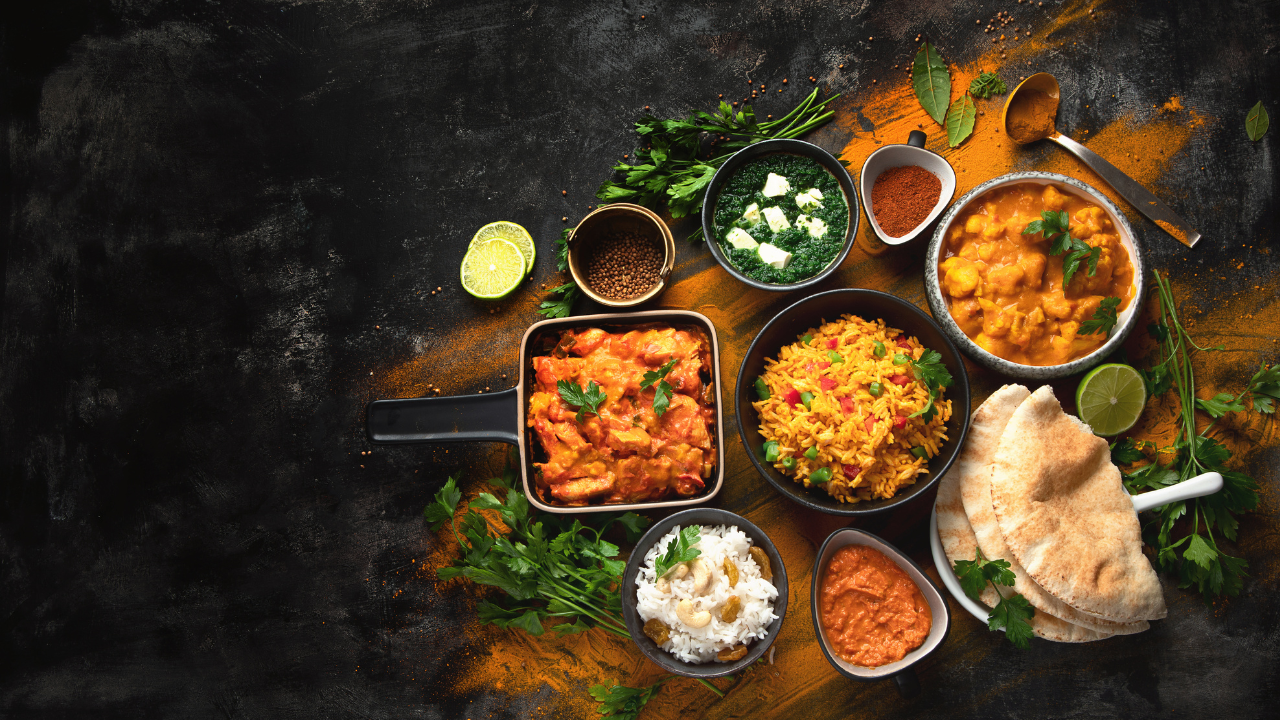
Indian tiffins are guided by a different philosophy. Balance comes naturally through diversity rather than measurement. Carbohydrates, lentils, vegetables, dairy and spices combine to create meals that are hearty, satisfying and deeply rooted in regional food traditions. Instead of strict portion ratios, the focus is on ensuring the meal provides enough energy to last through a long school or workday.
Even the lunch boxes tell different stories
The containers themselves reveal just as much about each culture. Japanese bento boxes are often sleek, compartmentalised and available in wood, bamboo or modern lightweight materials. Many are designed to keep ingredients separate while making the meal visually appealing.The Indian tiffin remains proudly functional. Made almost entirely from stainless steel, it is built to survive crowded commutes, school bags and years of daily use. It may collect a few scratches along the way, but those marks often become part of its story. In many households, the same tiffin box serves generations before finally being replaced.
One thing they have always shared
Despite their many differences, Japanese bentos and Indian tiffins are built on the same quiet idea: food made at home carries something that restaurant meals rarely can.Whether it’s a parent carefully shaping rice into flowers before sunrise in Tokyo or someone in Delhi slipping an extra roti into a tiffin because they know their child always gets hungry by afternoon, these lunch boxes carry affection alongside the food.In an era dominated by takeaway meals and food delivery apps, both traditions continue to remind us that lunch isn’t simply about filling the stomach. It’s about carrying a small piece of home wherever the day takes you. That, more than perfectly arranged rice or stacked steel containers, is what makes both the Japanese bento and the Indian tiffin truly timeless.