










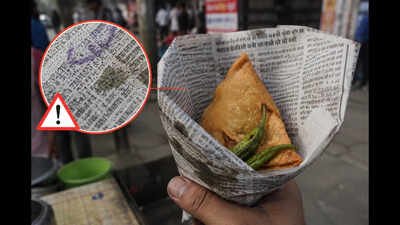
Whether it’s hot pakoras from a roadside stall, freshly fried samosas, or roasted peanuts bought on the go, food wrapped in newspaper has long been a familiar sight across India and many other countries. For generations, it has been seen as a convenient, inexpensive, and eco-friendly way to package snacks. But what many people don’t realise is that this everyday habit could expose them to harmful chemicals and contaminants that have no place in food. While newspaper may look harmless, experts say it is not food-grade packaging. In fact, health authorities and scientific studies have repeatedly warned that using printed newspapers to wrap, serve or absorb oil from food can pose health risks, especially when the food is hot, oily or moist.
Why newspapers are not safe for food
The biggest concern lies in the printing ink used on newspapers. Unlike food-safe packaging materials, newspaper ink contains a complex mixture of pigments, solvents, resins and other chemical compounds. Some of these substances can migrate from the paper onto food, particularly when exposed to heat or oil.According to the Food Safety and Standards Authority of India (FSSAI), newspapers should never be used for storing, wrapping or serving food because the ink contains bioactive materials that may contaminate food and pose potential health hazards. The agency has specifically warned that even a small amount of these chemicals can accumulate in the body over time with repeated exposure.
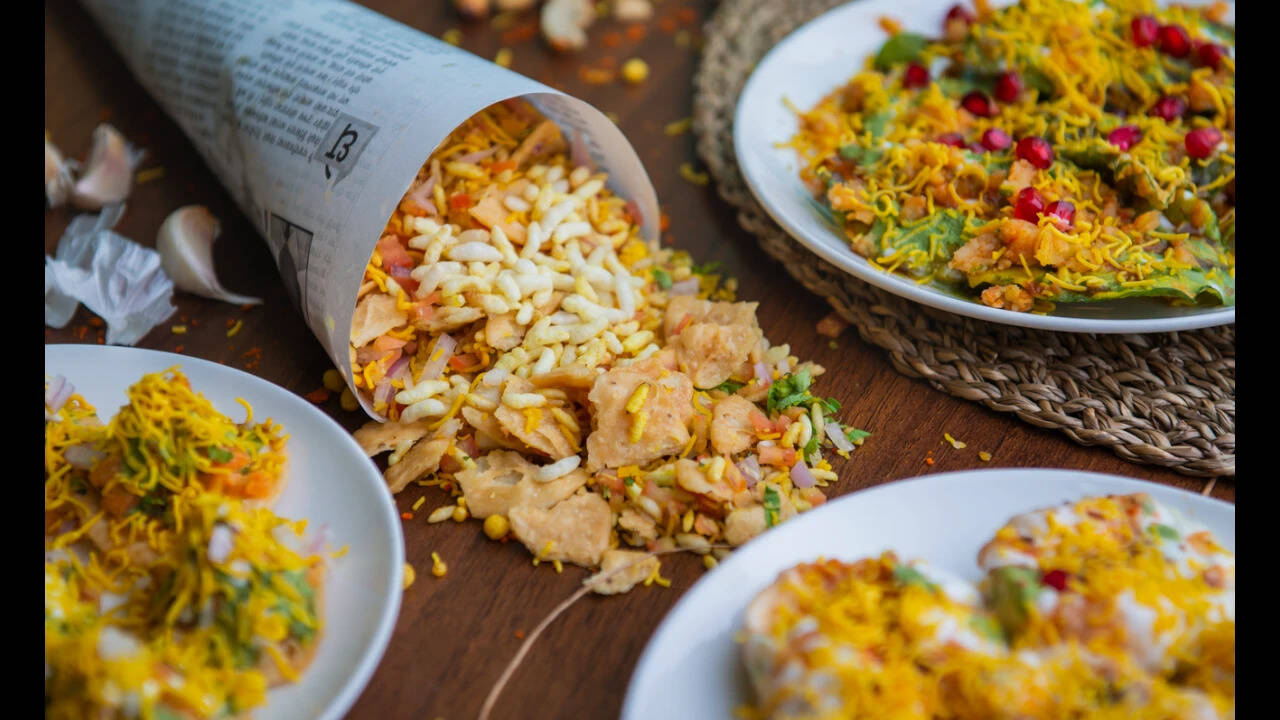
Research published in Food Additives & Contaminantshas shown that chemicals from printing inks can migrate into food under certain conditions, with fatty foods being particularly vulnerable because they readily absorb these compounds.
What chemicals could end up in your food?
Newspaper ink is not designed to come into contact with food. Depending on the type of ink and printing process, it may contain substances such as mineral oils, pigments, plasticisers and other industrial chemicals.One group of chemicals that has attracted significant scientific attention is mineral oil hydrocarbons (MOHs). These include Mineral Oil Saturated Hydrocarbons (MOSH) and Mineral Oil Aromatic Hydrocarbons (MOAH), which can migrate into food from recycled paper and printing inks.The European Food Safety Authority (EFSA) has noted that MOSH can accumulate in human tissues, while some MOAH compounds are considered potentially carcinogenic and genotoxic, meaning they may damage DNA. Although scientists are still studying the long-term effects, the findings have prompted stricter monitoring of food packaging across Europe.Studies published in journals available through ScienceDirect have also reported that recycled paper packaging can transfer mineral oil residues into food, particularly dry and fatty products stored for extended periods.
Heat and oil make the problem worse
The risk increases significantly when newspapers come into contact with freshly cooked food. Hot samosas, fries, bhajiyas, cutlets and other fried snacks contain oil that can act as a solvent, helping chemicals from the newspaper ink migrate more easily into the food. Moisture from curries or steamed foods can have a similar effect.Researchers have found that higher temperatures accelerate the migration of chemicals from packaging materials into food. This is one reason why food-grade packaging undergoes rigorous safety testing before it is approved for use.
It’s not just the ink
Even if the ink were not a concern, newspapers themselves may carry contaminants picked up during printing, storage, transport and handling. Newspapers pass through multiple stages before reaching consumers. Along the way, they may be exposed to dust, dirt, bacteria, fungi and environmental pollutants. They are also handled by numerous people, increasing the chances of microbial contamination.
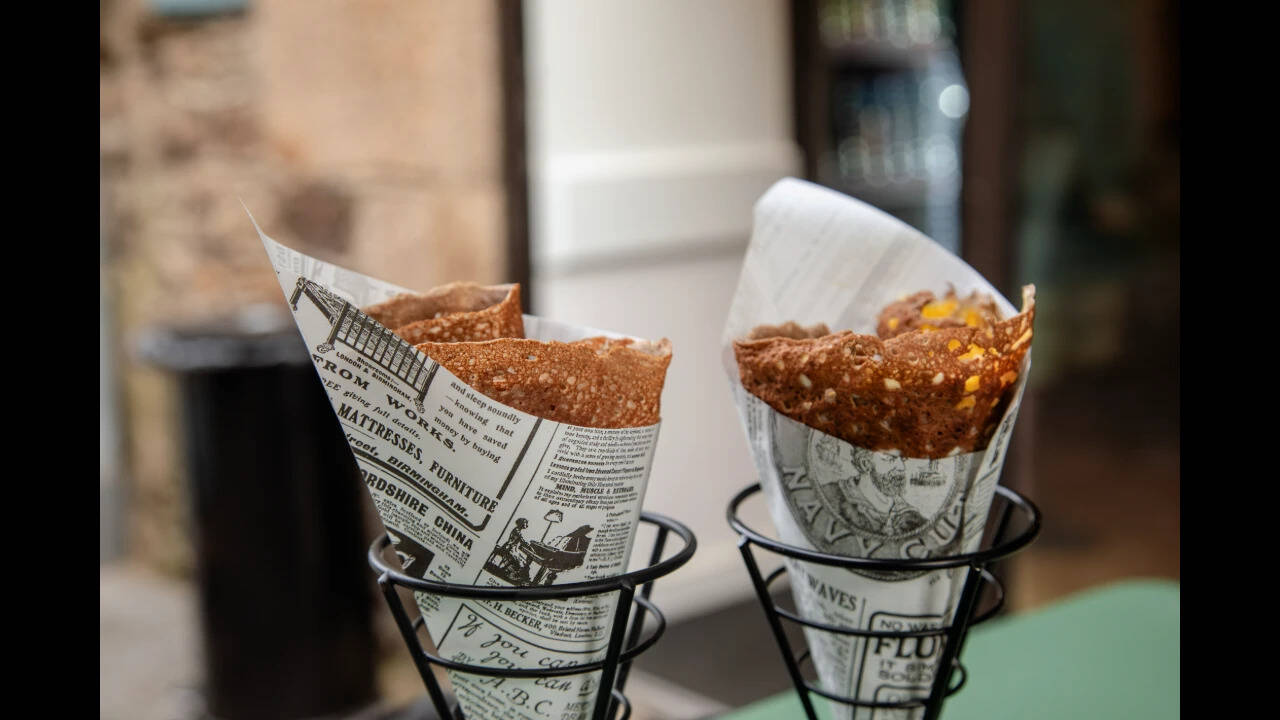
A review published in the International Journal of Environmental Research and Public Health highlights that contaminated food-contact materials can contribute to foodborne exposure to harmful microorganisms if proper hygiene standards are not maintained.
What health experts recommend instead
Food safety experts recommend using only food-grade materials that are specifically manufactured for direct contact with food.
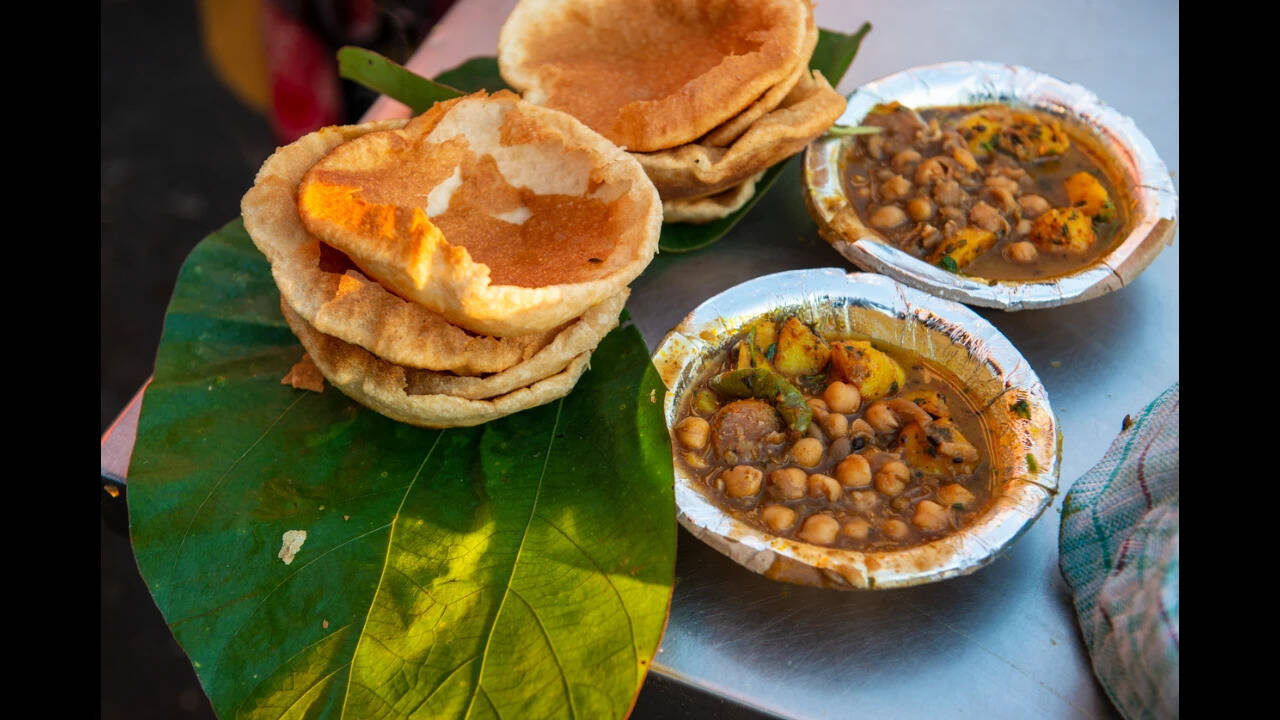
Safer alternatives include:
- Food-safe paper bags
- Aluminium foil for appropriate foods
- Reusable stainless steel containers
- Butter paper or parchment paper
Food-grade wrapping paper - Banana leaves, where traditionally used
- Certified food-grade biodegradable packaging
If you buy food from a vendor, consider carrying your own reusable container or politely asking them not to wrap the food directly in newspaper. Even placing a food-grade sheet between the newspaper and the food can reduce direct contact.Wrapping food in newspaper may seem like an old-fashioned, sustainable practice, but scientific evidence suggests it comes with hidden risks. Chemicals from printing inks, mineral oil residues and contaminants on the paper can migrate into food, particularly when it is hot, greasy or moist.While eating food wrapped in newspaper once in a while is unlikely to cause immediate illness, repeated exposure over months or years is an unnecessary risk. With affordable food-safe alternatives now widely available, making a simple switch can help reduce your exposure to potentially harmful chemicals and better protect your long-term health.