










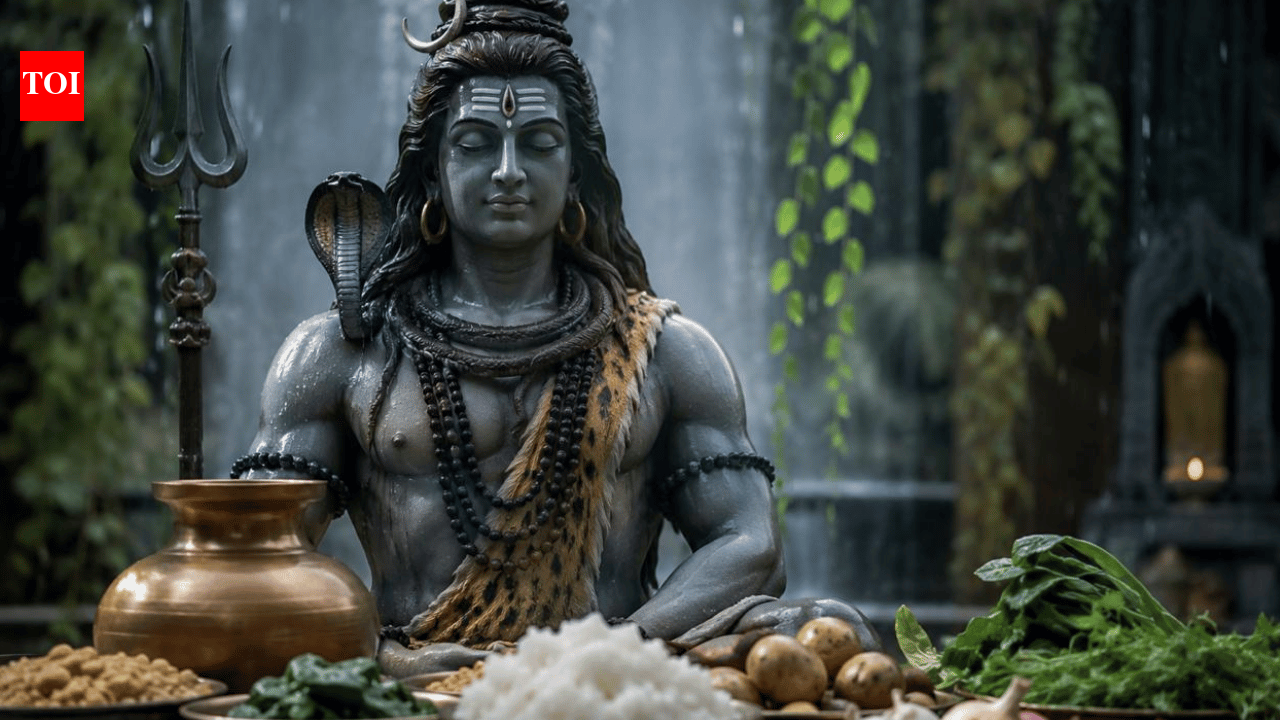
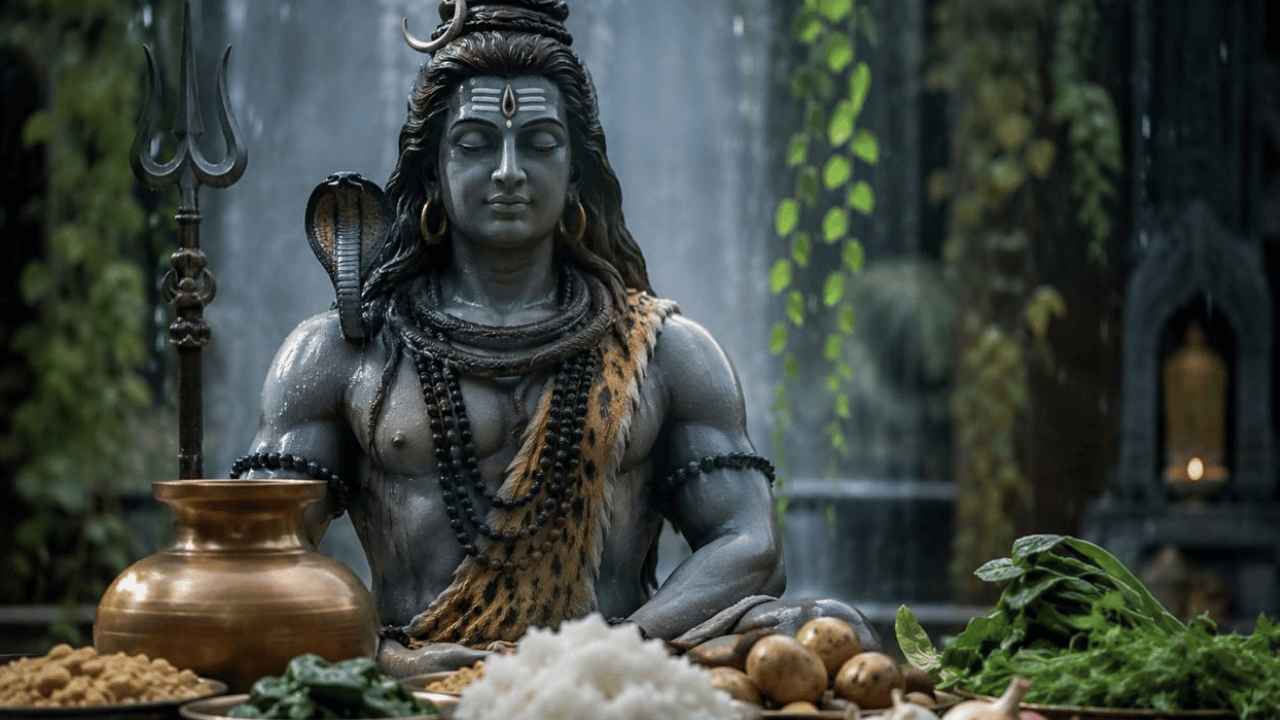
The arrival of Sawan changes more than India’s weather. As monsoon showers breathe life into parched fields and devotees flock to Shiva temples every Monday, kitchens across the country quietly undergo a transformation of their own. Plates become simpler, spices are toned down, and many foods that are eaten year-round suddenly disappear from the menu. For generations, families have observed dietary restrictions during the holy month of Sawan, also known as Shravan. While these customs are deeply rooted in devotion to Lord Shiva, many also have practical origins. The monsoon is a season of high humidity, weaker digestion according to Ayurveda, and an increased risk of bacterial growth, insect infestation and water contamination. Long before food safety guidelines existed, communities adapted their eating habits to suit the season, and those traditions gradually became part of religious practice. Not every household follows the same rules. Customs differ across regions and communities, but these are among the foods most commonly avoided during Sawan and the fascinating reasons behind them.