









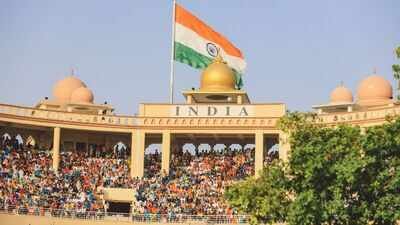
As India celebrates its 80th Independence Day today on August 15, one of the most remarkable places to experience the spirit of the Tricolour remains at the Attari-Wagah border in Punjab. Rising 418 feet above the ground, the monumental national flag at Attari is also the tallest national flagpole in India. Not many must be aware of this interesting fact about the country that the structure was commissioned by the National Highways Authority of India (NHAI).India’s Tallest FlagAttari Border near Amritsar in Punjab holds the prestigious title of being home to India’s tallest flag. The border lies roughly 30–35 km from central Amritsar and is among the easiest patriotic day trips from the city.The location is particularly symbolic because this is not merely a border crossing. It is also a place where history, Partition, military tradition and contemporary India come together. The Attari-Wagah Beating Retreat ceremony has been held since 1959. It is where soldiers of India’s Border Security Force and Pakistan Rangers perform the daily ceremonial lowering of their national flags.The length of TricolourThe tallest Tricolour stands tall at 418 feet (127.4 metres). Before this, the giant Tricolour at Belagavi, Karnataka, held this record at around 361 feet.
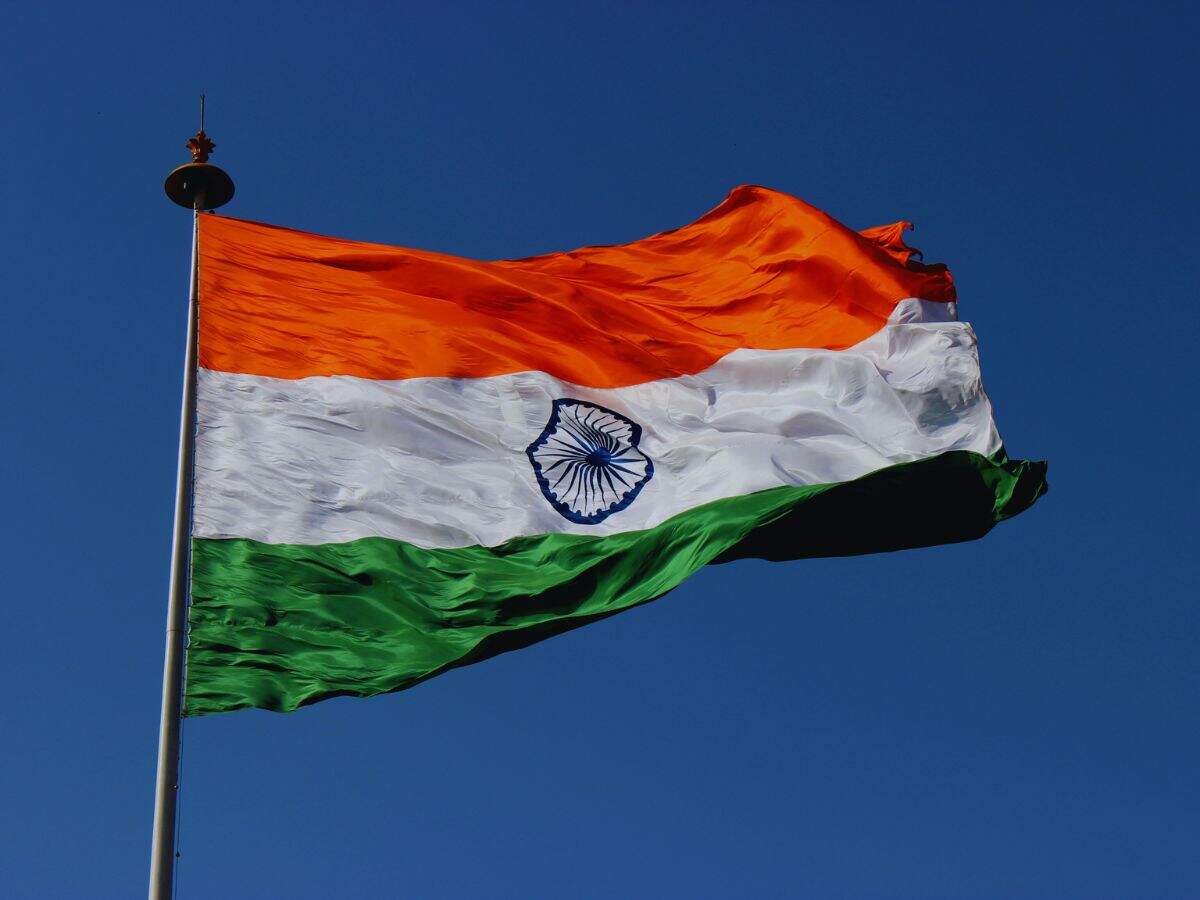
India Flag (Canva)
Not just a patriotic landmarkThe mast was conceived not simply as a patriotic landmark but also as part of the infrastructure and surveillance arrangements at the strategically important border. NHAI’s project documentation specifically describes it as a 418-foot monumental national flag mast with a surveillance post.More about Attari BorderFor travellers, the real attraction is the atmosphere surrounding the Tricolour. In the evening, thousands of visitors come together at the border to watch the famous Beating Retreat ceremony. It’s the main highlight of the place. The event features highly choreographed drills by the BSF and Pakistani Rangers, the lowering of the two national flags and the closing of the border gates.
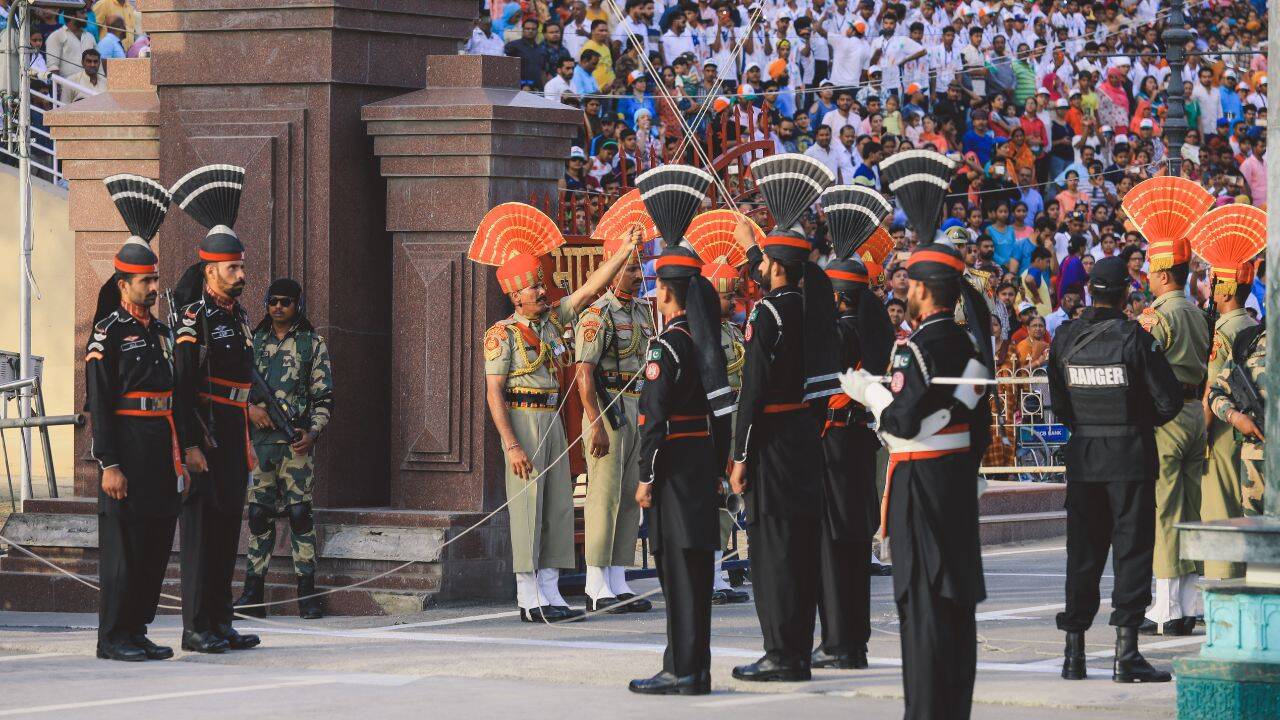
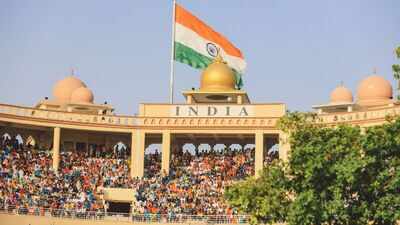
Wagah Border (Canva)
It is one of Punjab’s most recognisable tourist experiences, attracting large crowds during peak periods. A recent Union Tourism Ministry planning document notes that the Attari Border can receive around 12,000–15,000 visitors during peak periods.The magnificent Tricolour adds another visual dimension to the experience.How To Reach Attari-Wagah BorderBy air: The nearest airport is Sri Guru Ram Dass Jee International Airport, Amritsar, which is about 35–36 km from the border.
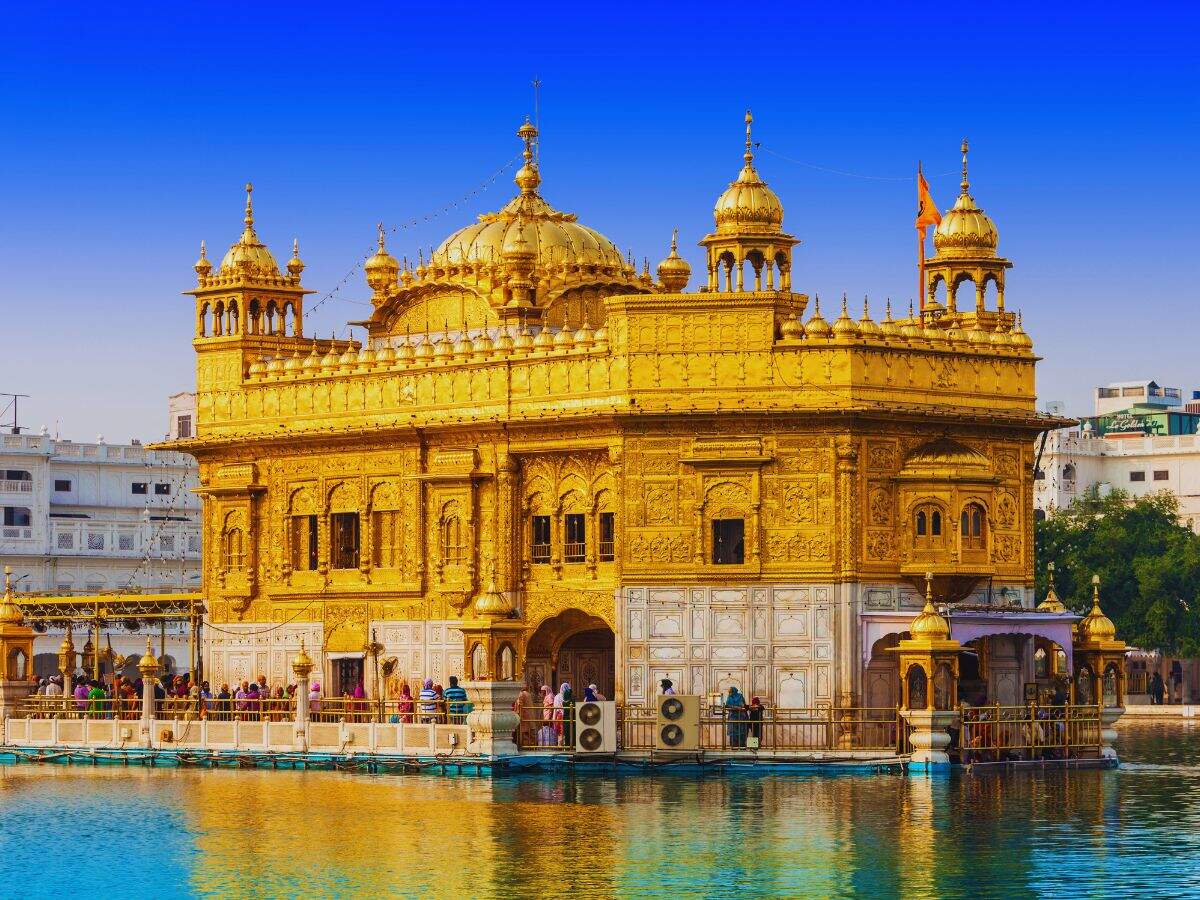
Golden Temple (Canva)
By train: Attari Railway Station is the closest railway station, nearly 6 km from the border.By road: From Amritsar, visitors can travel by taxi, private car or local transport towards Attari. The border lies on the historic Grand Trunk Road corridor and is connected by NH-03.Best time to visitThe winter months, from October to March, are generally more comfortable for exploring Amritsar and the border. Summer months are extremely hot.However, if the aim is to experience the patriotic atmosphere around Independence Day, August 15 is among the most significant dates to visit. Travellers should expect very large crowds and enhanced security around the border.Places to visit nearby
- Golden Temple: It is among India’s most important Sikh pilgrimage sites.
- Jallianwala Bagh: Another memorable place which preserves the memory of the 1919 massacre.
- The BSF Museum: It offers visitors an insight into the history and evolution of the Border Security Force.
Marking 80 years of IndependenceIndia’s Independence Day in 2026 marks 80 years since August 15, 1947, when the country became independent from British rule. At Attari, that history feels particularly tangible because the modern border itself emerged from the Partition of 1947.
Indian flag
Today, the 418-foot Tricolour rises above that landscape as a powerful visual reminder of the journey India has travelled since Independence.For travellers looking to mark the 80th Independence Day somewhere beyond the usual city celebrations, Attari offers a uniquely emotional experience.