










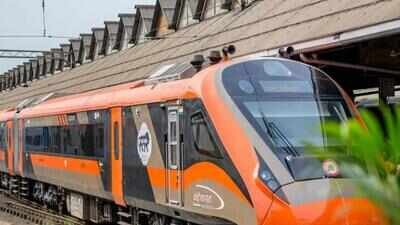
India’s railway network is moving beyond passenger-focused Vande Bharat services. The Indian Railways just tested a new freight train based on the same trainset platform. Now it has become the country’s first Vande Bharat freight train to undergo a high-speed trial at 130 kmph. It is a significant step in the development of faster, time-sensitive freight transportation.Where was the trial conductedIndia’s first Vande Bharat freight trial was conducted on the Kota–Rohal Khurd section of West Central Railway. The technical teams from the Research Designs and Standards Organisation (RDSO) and Integral Coach Factory (ICF) were involved in the entire process. The development is part of Indian Railways’ broader effort to modernise freight movement and improve the speed and efficiency of rail-based logistics.Vande Bharat train for freightThe freight variant of Vande Bharat is being developed specifically to carry parcels and other goods. ICF, the Chennai-based production unit of Indian Railways, has been involved in the development of Freight EMU coaches and trainsets.Official ICF documents list Freight EMU coaches among the rolling stock being developed at the production facility. The concept is particularly relevant to cargo that needs to reach its destination quickly. Faster rail freight can offer an alternative to road transportation for time-sensitive consignments, while using the existing electrified railway network.The freight train is based on the trainset approach used for Vande Bharat, rather than relying on the conventional locomotive-and-wagons configuration traditionally associated with freight services.
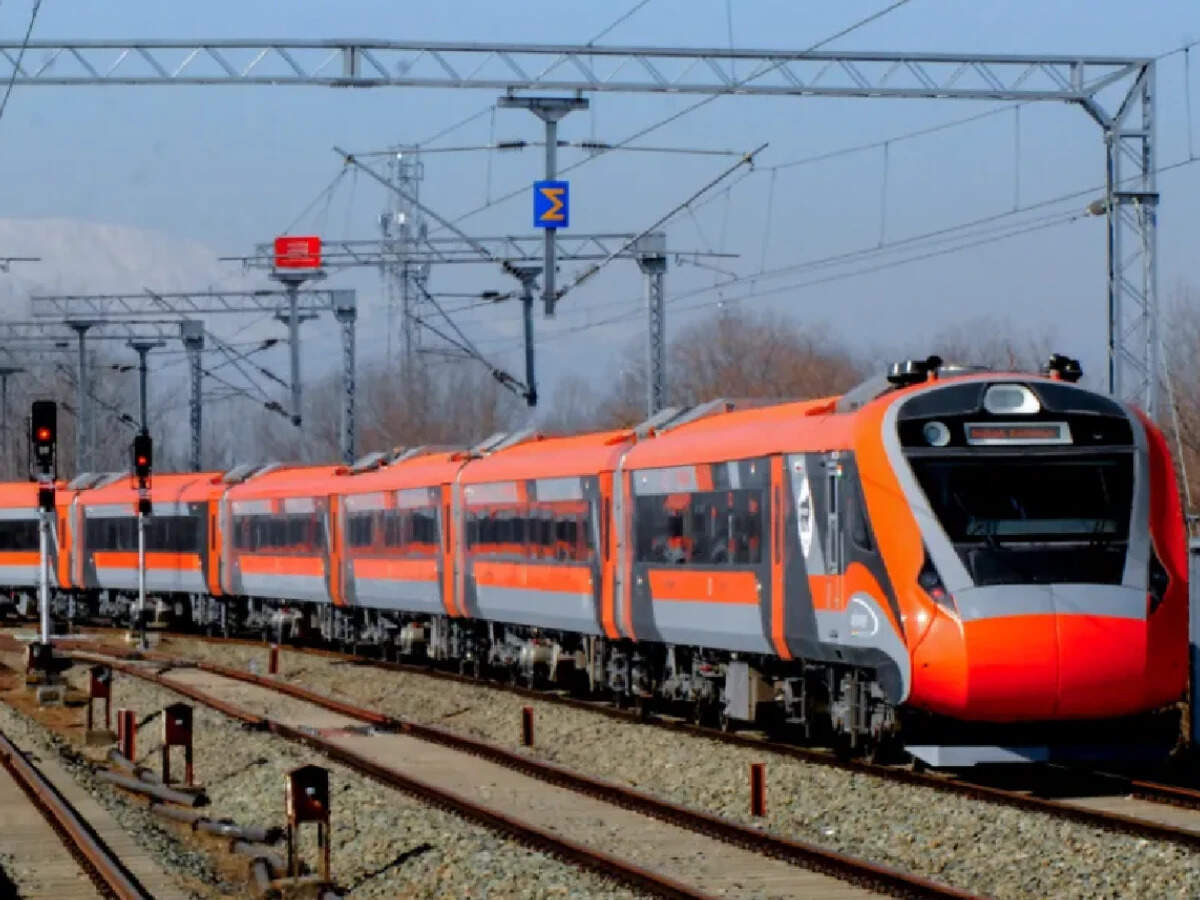
Vande Bharat
Not just speedThe 130 kmph run was not simply a demonstration of how fast the train can travel. The testing involved examining several technical and operational parameters needed before a new train can enter regular service.As per railway information, technical teams assessed systems including electrical and propulsion performance, regenerative energy, thermal capacity, traction and braking performance and jerk levels under loaded conditions.Testing a freight train under load is particularly important because the behaviour of a train changes when it is carrying substantial cargo. Acceleration, braking, suspension, energy consumption and thermal performance all have to be evaluated before regular operations can be considered.Why faster freight matters for Indian RailwaysIndian Railways has been working to increase speeds across important sections of its network. The Ministry of Railways has reported the raising of sectional speeds to 130 kmph over hundreds of kilometres of track, alongside infrastructure upgrades intended to enable faster and safer train operations. For logistics operators, speed can be particularly important when transporting goods with short delivery windows.
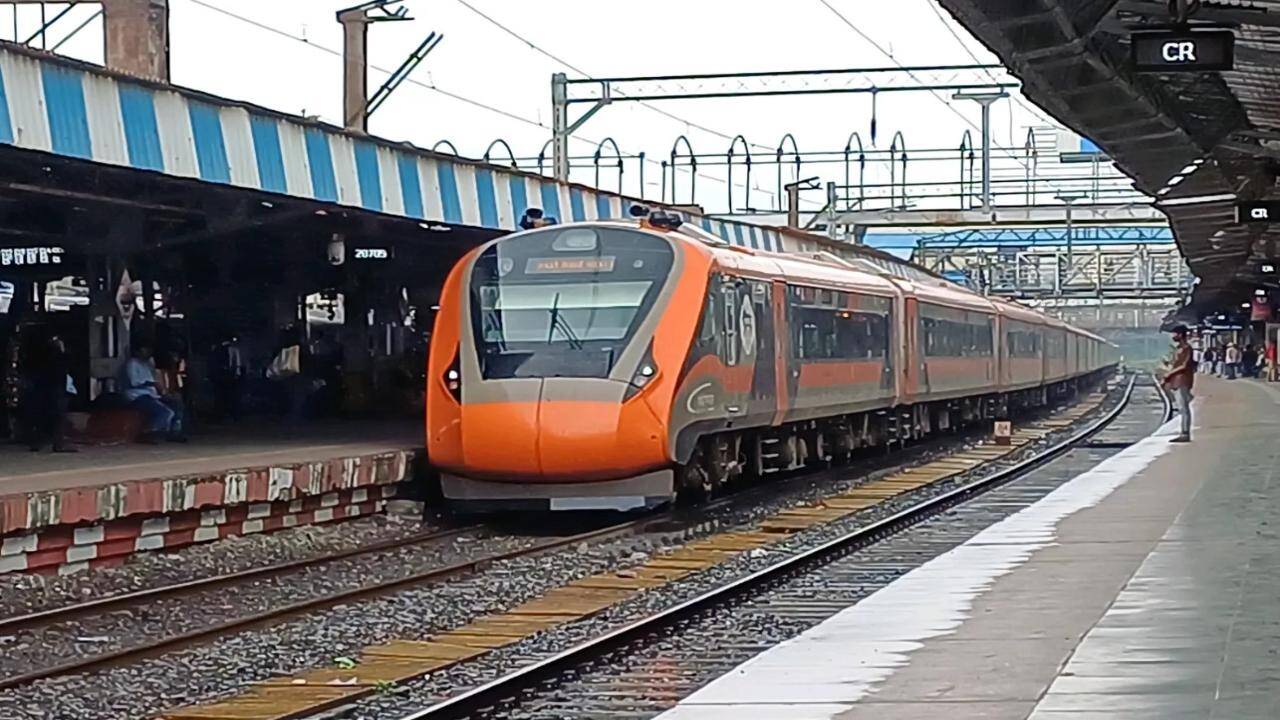
Vande Bharat Train (PC: Indian Railways)
Vande Bharat, more than faster passenger journeysVande Bharat has always been associated with faster passenger journeys until today. Now Indian Railways has expanded the trainset programme. The freight experiment represents another potential application of the technology.The idea is not to turn a passenger Vande Bharat into a conventional goods train but the main objective is to use the trainset for a purpose-built freight vehicle.Trial does not mean commercial launch yetFor travellers and businesses watching the development, it was just a trial. The 130 kmph test is part of the technical evaluation process. The latest Vande Bharat freight trial therefore points towards a broader change in Indian rail logistics: freight trains are increasingly being designed around speed, technology and specialised cargo requirements, rather than simply carrying larger quantities of goods.