










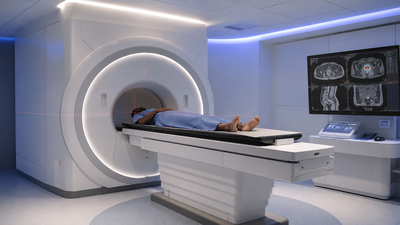
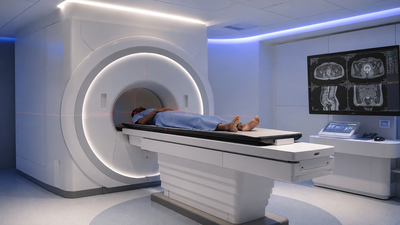
In a significant development, a Bengaluru cancer centre has begun using Karnataka’s first Elekta Unity MR-Linac bringing MR-guided adaptive radiation therapy to the state. The HealthCare Global Enterprises (HCG) in the city has started treating patients with the new technology. As per HCG’s August 18, 2026 announcement and Elekta’s technical information, the system combines a 1.5-tesla MRI scanner with a linear accelerator, allowing doctors to see the tumour and surrounding organs during treatment. Where appropriate, it adapts the radiation plan to the patient’s anatomy on the day of treatment. The technology is backed by a growing body of peer-reviewed research into MR-guided adaptive radiotherapy.What is an MR-Linac?Those who don’t know, radiation therapy works by directing high-energy radiation at cancer cells. The challenge is that a tumour is not necessarily a stationary target. Organs can move as a patient breathes, the bladder or rectum can change in size, and tumours or surrounding tissues can change between treatment sessions.How does it work?Traditionally, radiation treatment is planned using imaging performed before the course begins, with margins added around the tumour to account for these uncertainties.
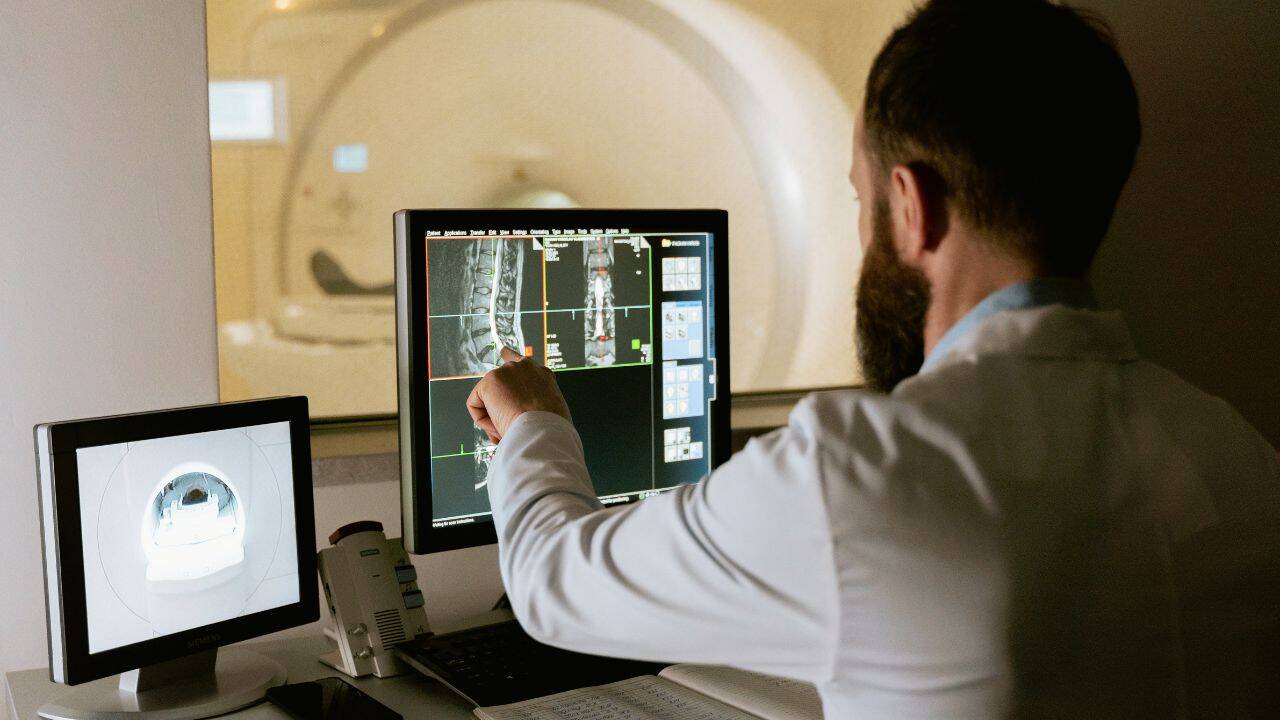
Doctor with images (Canva)
An MR-Linac changes that equation by putting magnetic resonance imaging along with a radiation-delivery machine together.The Elekta Unity uses a 1.5T MRI system to create detailed images while the patient is positioned for radiation.MRI offers particularly strong soft-tissue contrast. It can help clinicians distinguish a tumour from nearby organs and tissues.Elekta says Unity is designed for anatomy-specific imaging, motion management and fully adaptive treatment.The important word here is adaptive.
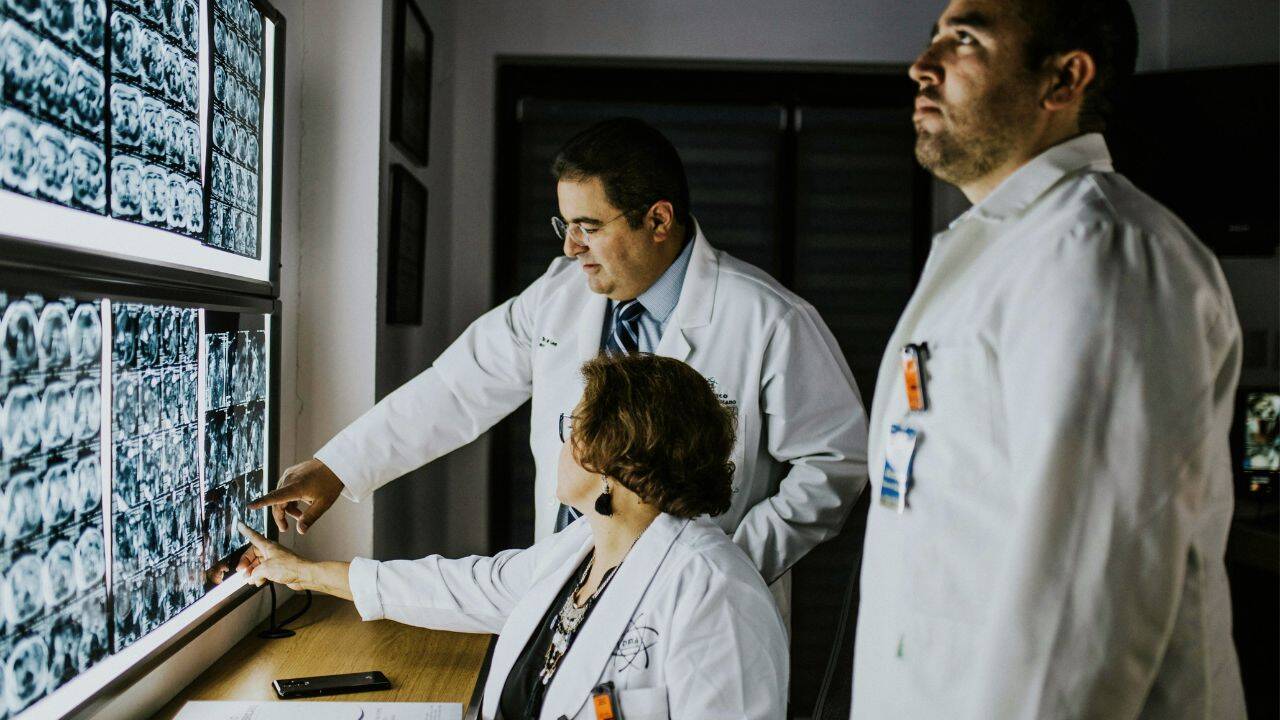
Cancer Doctors (Canva)
Treatment can be adjusted to the anatomy of the dayTo understand it better, imagine a prostate tumour closely placed with the bladder and rectum. The position and shape of these organs can differ from one treatment session to another. Also, the prostate can also move.Now here comes an MR-Linac. Now doctors can get an MRI immediately before treatment, assess the anatomy and, when clinically indicated, modify the radiation plan so that it better matches the patient’s anatomy that day.Research published in Clinical and Translational Radiation Oncology examining the Elekta Unity concept found that online adaptive planning can account for anatomical changes during a course of radiotherapy.The image can become part of the treatment decision itself.Precision matters in radiationRadiation therapy involves a balance to deliver enough radiation to control the tumour while limiting unnecessary exposure to healthy tissue. It becomes especially difficult when a tumour is close to other organs.The scientific rationale behind MR-guided adaptive radiotherapy is therefore not simply “better pictures”. Better soft-tissue visibility can allow clinicians to define targets and organs more accurately and reduce some treatment margins.Important for prostate cancer

Prostate Cancer (Canva)
And among all, prostate cancer is one area where the technology is particularly important. Because the prostate can change position depending on the amount of urine in the bladder and the rectum’s placement. That makes it a perfect candidate for highly image-guided radiation.A systematic review published in 2025 reported that the MIRAGE randomised trial, involving 156 prostate cancer patients, found lower rates of certain grade 2 or higher urinary and gastrointestinal toxicities with MR-guided radiotherapy than with CT-guided radiotherapy. The review also noted that MR-guided treatment can allow smaller treatment margins and daily adaptation.Bengaluru becomes the firstFor HCG, the installation represents more than the addition of another radiation machine. As per HCG, the first reported patient treated on the system was a 74-year-old man with high-risk, localised prostate cancer. He received hypofractionated radiotherapy and completed the five-week treatment without interruption, with the treatment team using MR guidance.A promising technology, but not a universal replacement
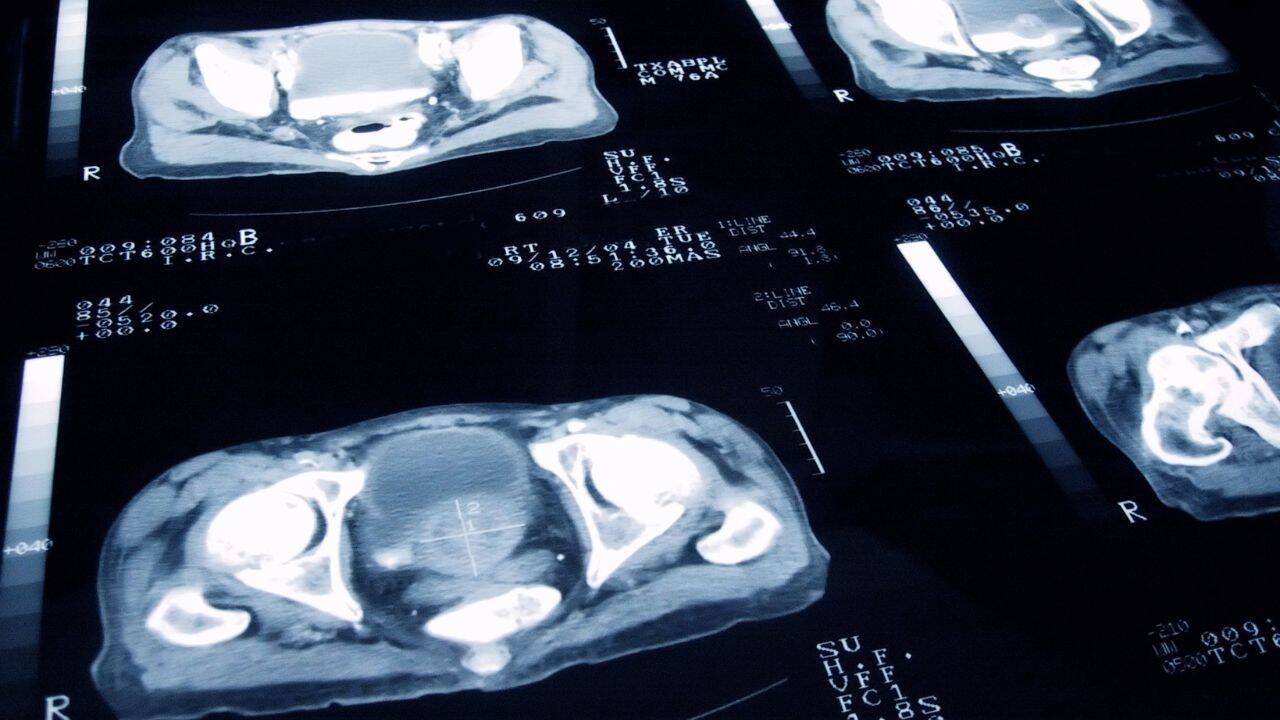
MRI image (Canva)
MR-Linac technology is an important development in precision radiation oncology, but it is not automatically the best treatment for every cancer or every patient. Eligibility depends on the tumour site, disease characteristics, previous treatments, anatomy and the clinical judgement of the treating team.With an MR-Linac, doctors can see the patient’s anatomy on the treatment day, account for changes and, when appropriate, reshape the radiation plan accordingly.