










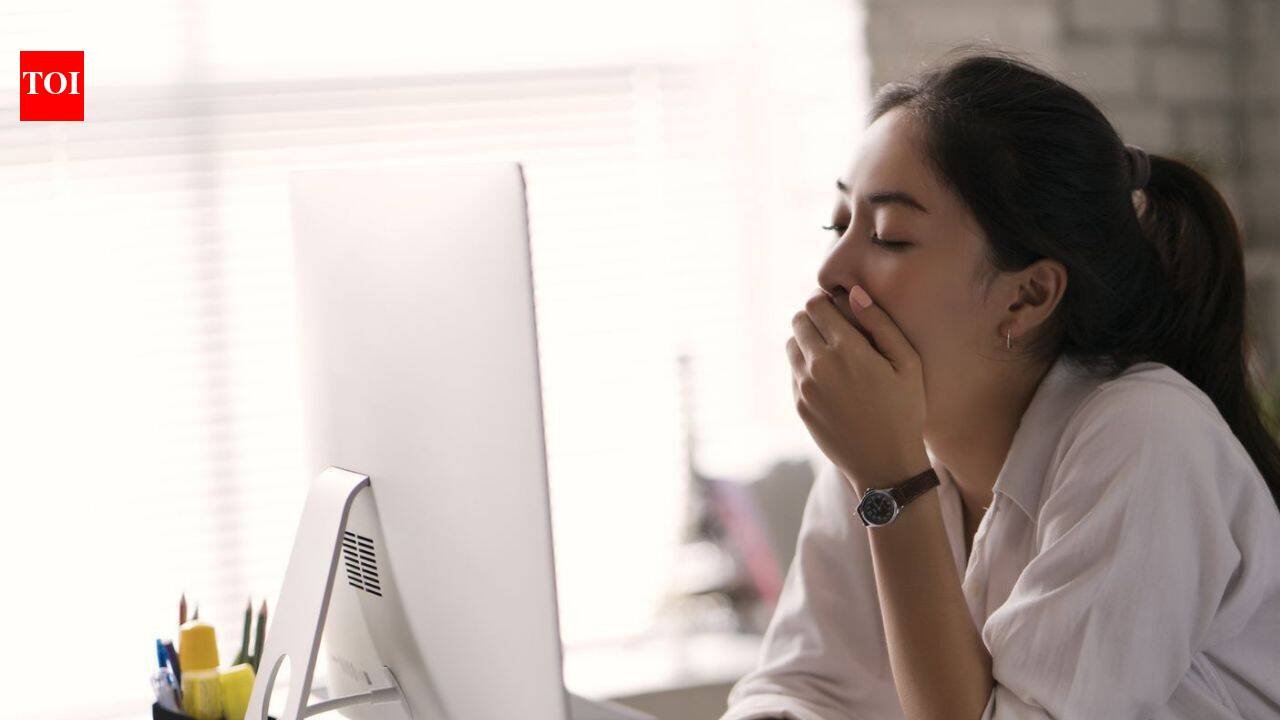

If you have ever experienced the sleepy-after-meal syndrome, you know how suddenly you start to struggle to keep your eyes open after just finishing lunch. The most common explanation is that your blood is rushing to your stomach, leaving your brain deprived of oxygen. However, the truth is that there could be more to it, with your lunchtime nap potentially being the result of your body’s chronobiology, the size of your meal, or even the amount of sleep you got the previous night.
Body’s chronobiology already has an afternoon slump
The most evident reason you may feel sleepy after eating has less to do with your lunch and more to do with your body’s circadian rhythms, or the body clock. Your body follows rough 24-hour cycles known as circadian rhythms, which affect almost all of your body functions, including your sleep-wake cycle, body temperature, and hormone production.The National Institute of General Medical Sciences explains that body clocks control when you sleep and, as a result, influence our ability to fall asleep or stay awake..
Eating can also cause a temporary lull in alertness
Scientific studies have shown that the act of eating can actually increase sleepiness. For instance, one controlled experiment conducted on 16 participants found that they felt sleepiest roughly an hour and a half after eating, with increased sleepiness persisting for several hours after eating.The study also found that this rise in post-meal sleepiness was not fully explained by your body clock, since the study controlled for it. The actual physiological reason why you feel sleepy after eating is complicated, since the process of breaking down food requires multiple systems in your body to work together.Scientists believe that the feeling of fullness after eating sends signals to the brain, with studies pointing to the digestive tract’s connection with your brain being involved in post-meal sleepiness.Thus, it is true that your body can become sleepier after eating – but not necessarily due to blood rushing to your stomach.
How big your lunch is also plays a role
As well as the timing of your lunch, how big your meal is can also impact how sleepy you feel after it. As you would expect, the bigger the meal, the sleepier you are likely to feel after it since your body has to expend more energy digesting it.Research has found that both meal volume and food composition can affect post-meal sleepiness, although the results are inconsistent.Your lunch-sized portions of rice and roti, alongside gravies and desserts, would most likely leave you sleepier than a light meal. On the other hand, some studies suggest that there is little difference in post-meal sleepiness between meals high in carbohydrates and fat.
Why do we feel sleepy after eating? Because the food we eat affects our bodies. But how?
While glucose is the main source of energy for the body, consuming foods high in carbohydrates and sugar can lead to increased levels of glucose in the blood. This causes the release of insulin in response to higher levels of blood glucose; depending on the food you eat, the amount of glucose can either peak and then drop or steadily rise and fall.This highlights the difference between occasional post-meal sleepiness and frequent sleepy episodes after eating, which could be a sign of something else.
Even the food you eat can affect how you feel after a meal
ICMR-NIN’s Dietary Guidelines for Indians 2024 (a Government of India publication) state that your meals should be largely made up of a variety of foods rather than highly-processed food. The report recommends that vegetable, fruit, whole grains (or millets), pulses, nuts, and other healthy foods be a part of your daily diet. It also discourages consumption of ultra-processed foods, refined grains, and added sugars.The US government’s Dietary Guidelines for Americans 2025-2030 recommend a similar diet, with an emphasis on wholesome foods like vegetables, fruits, whole grains, and protein foods. Again, ultra-processed foods, refined grains, and added sugars are discouraged.If you feel extra sleepy after eating, you may want to consider what you normally eat for meals rather than just blame it on the heavy meal.
It is not uncommon for lack of sleep to amplify the severity of the sleepy-after-meal condition.
The National Heart, Lung, and Blood Institute explains that daytime sleepiness and an inability to stay alert can occur due to insufficient sleep or irregular sleep cycles. If you don’t get enough sleep at night, the regular sleepiness you feel during the afternoon can become severe enough to leave you struggling to keep your eyes open after lunch.This can explain why you may sometimes feel wide-awake during the afternoon after eating, while other times feel excessively sleepy.Also read:Inside Meghan Markle’s fitness routine: How the Duchess stays fit amid her hectic scheduleOne injection, one lifetime effect? Gene-editing trial offers new hope for cholesterol patients
When should you seek medical advice for sleepy-after-meal condition?
The occasional drowsiness after a meal is nothing to worry about but the consistent inability to stay awake after eating may be a reason to consult a medical professional.Especially if you feel abnormally sleepy after most meals throughout the day, you may want to get your blood tested for underlying conditions such as diabetes.The CDC lists fatigue, extreme thirst or hunger, frequent urination, unintended weight loss, and blurry vision as some of the symptoms of diabetes.
How can you prevent the sleepy-after-meal condition?
Unless you only consume heavy meals, you don’t need to worry about the sleepiness you feel after lunch. You can reduce the chances of feeling sleepy after eating by making sure your meals are wholesome and balanced rather than overly-processed.Get enough sleep at night, and try to avoid lying down right after eating. Rather, you can go for a walk or do some exercises after eating so that your body is more active.