










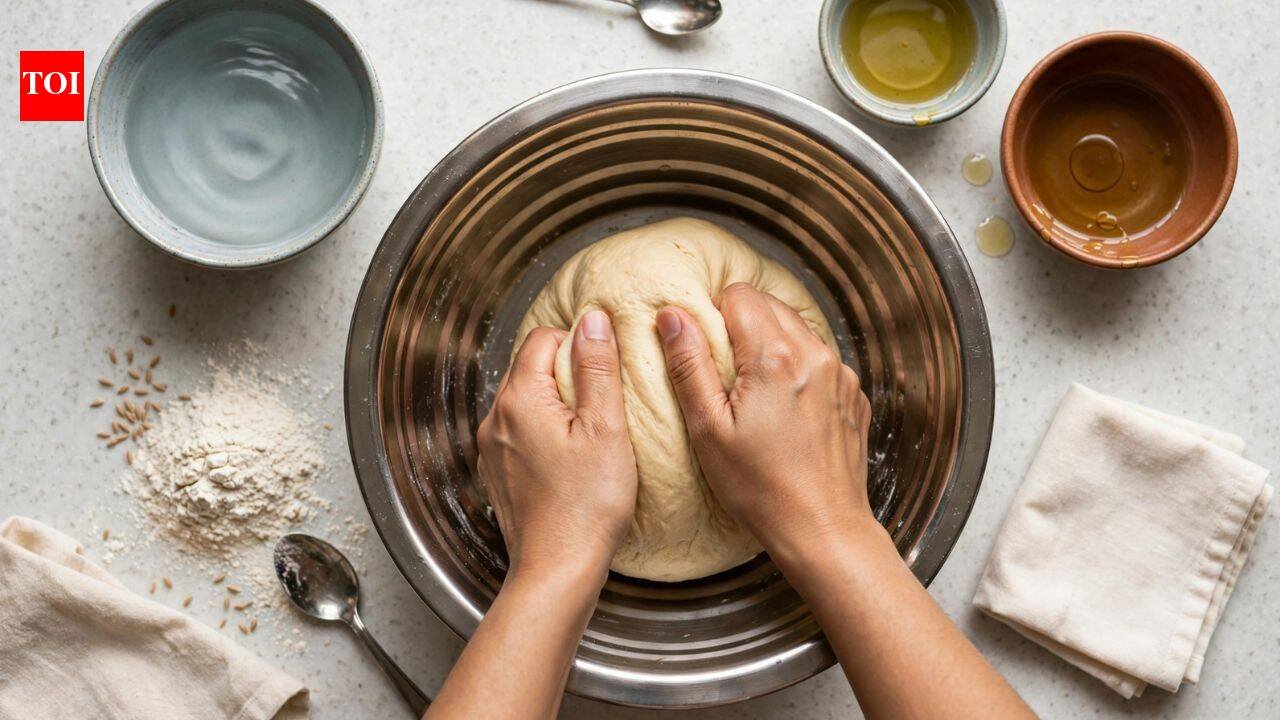
Making roti dough seems simple until the atta starts sticking to your hands. The more you knead, the more it seems to cling to your fingers. Adding extra dry flour may make the surface easier to handle, but it can also make the dough firm and affect the roti’s texture. There are better ways to manage sticky dough. Small changes in how water is added, how long the dough rests, and how it is kneaded can make a noticeable difference. The aim is not to keep the dough completely dry.A slightly moist dough is often easier to turn into soft rotis once it comes together. The trick is to give the flour enough time to absorb the water and to use a kneading method that keeps the dough moving rather than pressing it repeatedly using your fingers. These simple adjustments can make the process cleaner and easier.
Ways to knead atta without hands sticking
1. Let the atta rest before kneading
Instead of kneading the dough immediately after adding water, mix the atta until there are no dry patches. Cover it and leave it for about 10 to 15 minutes. This short resting period allows the flour to absorb more of the water.When you return to the dough, it will feel less loose and less likely to cling to your fingers. You may need only a few minutes of kneading to bring it together. This works particularly well when the dough initially feels too wet to handle.
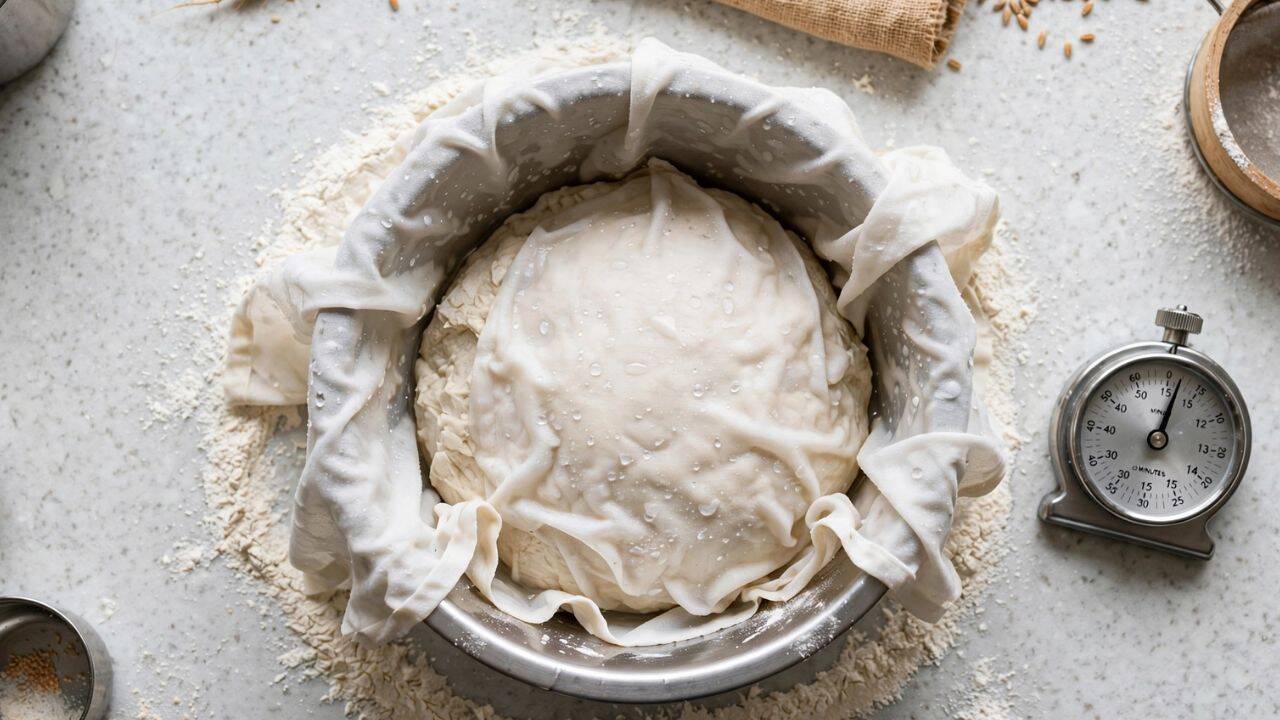
PC: AI Generated
2. Knead with a dough scraper first
If the mixture is sticking heavily to your fingers, do not immediately add more flour. Use a dough scraper or the flat edge of a sturdy spoon to fold and turn the mixture in the bowl.Scrape the sides and bring the wetter portions towards the centre. Continue folding until the dough begins to hold together. Once the surface becomes more manageable, transfer it to the counter and finish kneading with lightly wet hands.
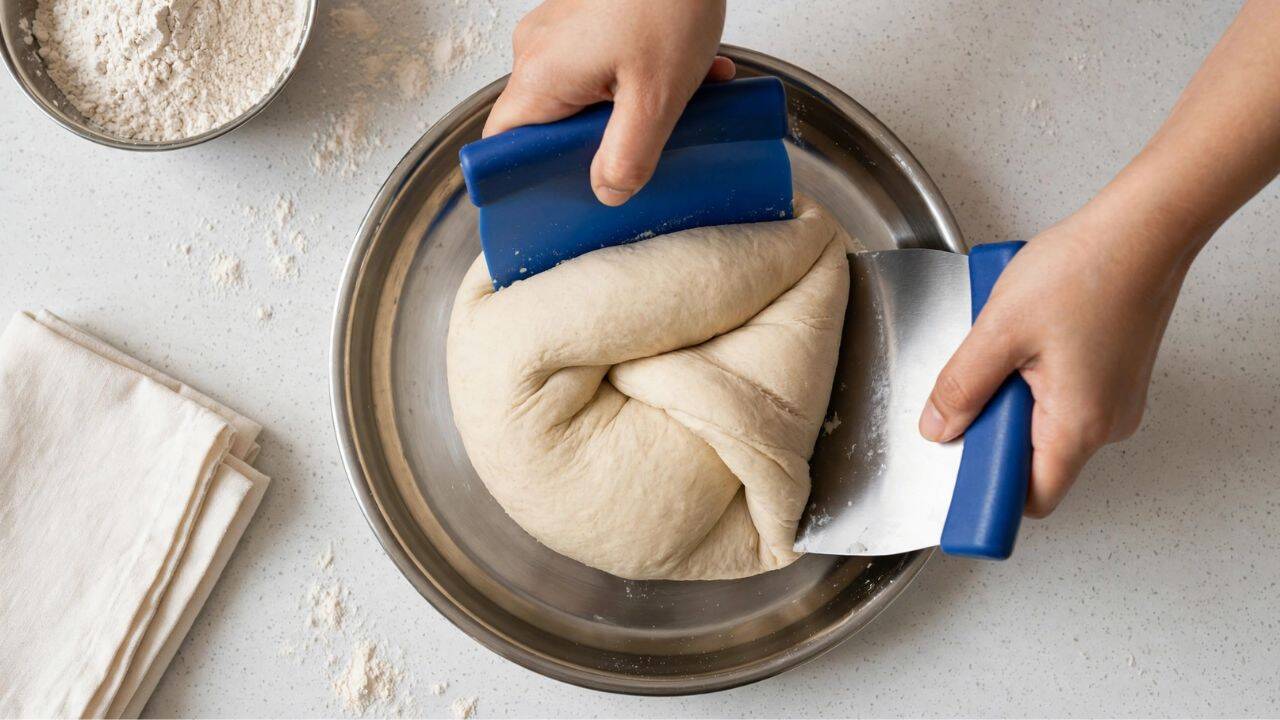
PC: AI Generated
3. Use the fold-and-turn method
Instead of repeatedly pushing your fingers into the dough, lift one side and fold it towards the centre. Turn the dough slightly and repeat. This keeps your hands in contact with the dough for less time and reduces the amount that sticks to your fingers. As the dough develops a smoother texture, the surface will become easier to handle. It is also a useful way to knead softer dough without constantly dusting the work surface with flour.
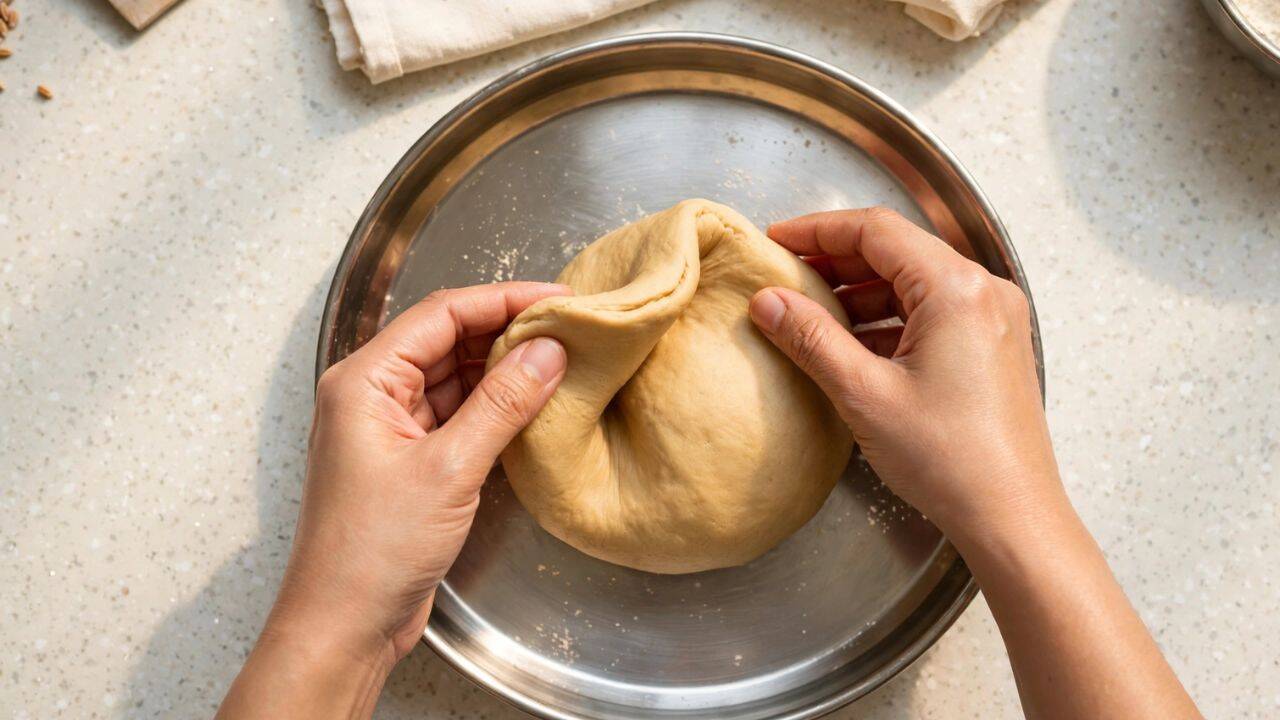
PC: AI Generated
4. Wet your fingers rather than adding more flour
If a small amount of dough begins sticking to your fingers, lightly wet your fingertips and continue kneading. Do not soak your hands or pour additional water directly over the dough. A thin layer of water can stop the dough from clinging so strongly while you work.
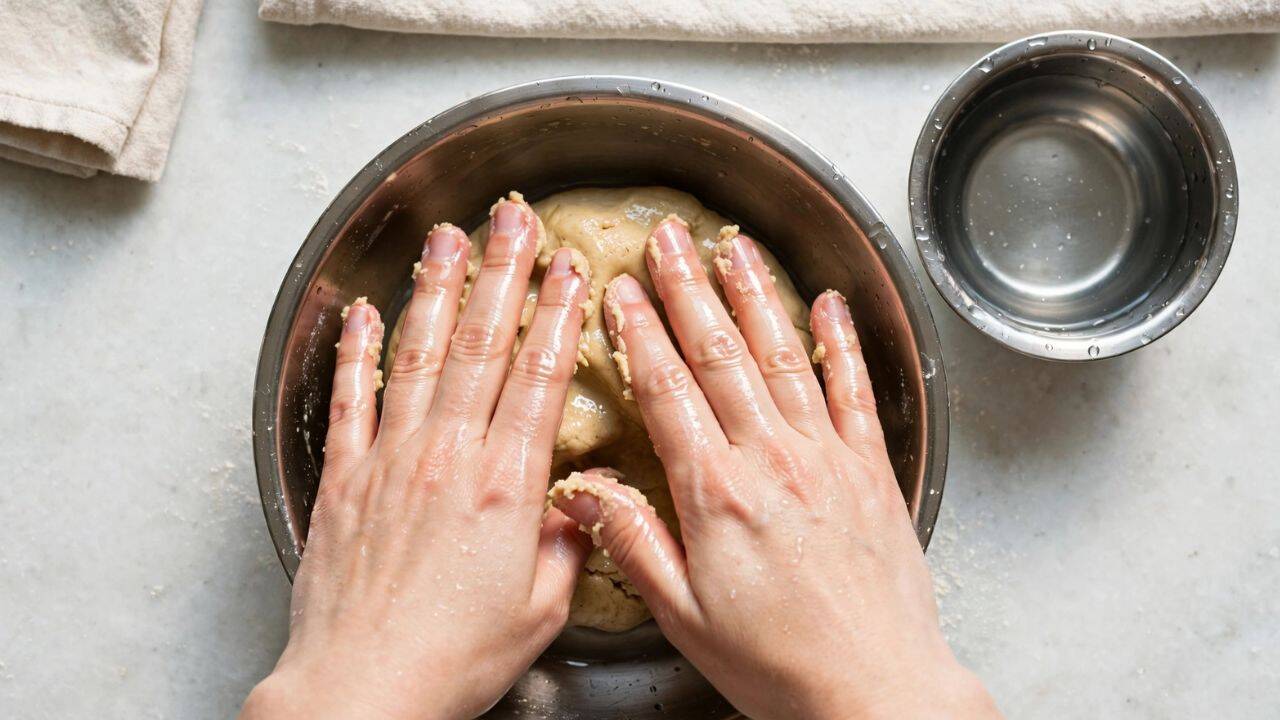
PC: AI Generated
5. Knead in short rounds
Long, continuous kneading can make sticky dough frustrating to handle. Try working on it for a minute or two, then leave it covered for a few minutes before starting again.During this time, the flour absorbs moisture, and the dough becomes easier to handle. When you resume, use folding and pressing movements instead of aggressively working on it using your fingers. Several short rounds can be more manageable than one long session.
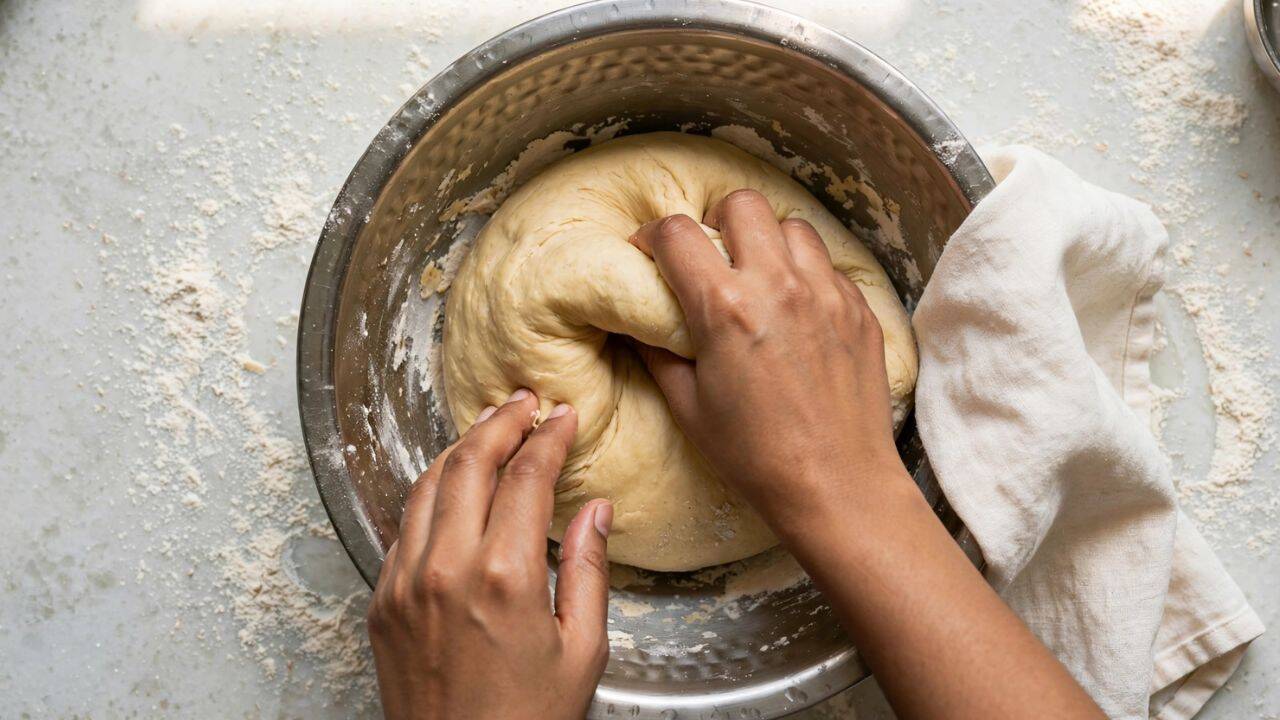
PC: AI Generated
Other methods to make atta softer and easier to knead
Add water gradually
Add water gradually while mixing and keep a small amount aside. This gives the flour time to absorb the moisture and makes it easier when the dough reaches the right consistency. If the dough still looks dry after resting, add a little water with wet fingertips.
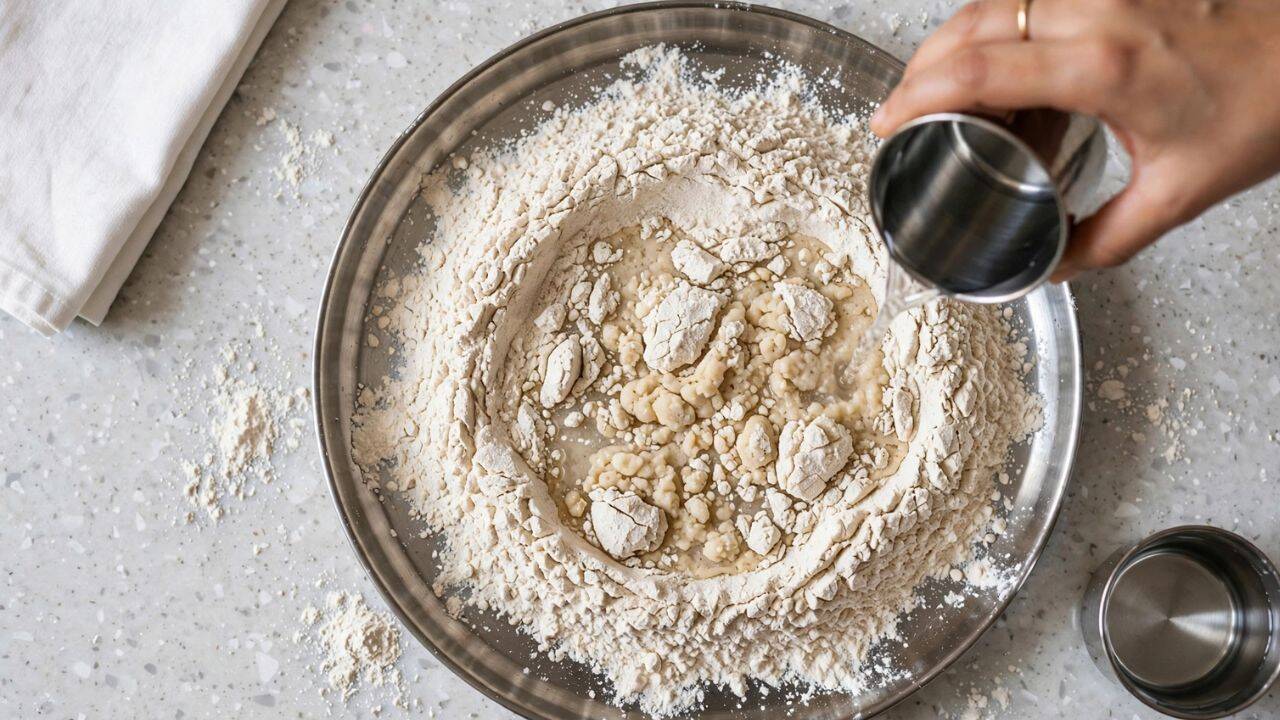
PC: AI Generated
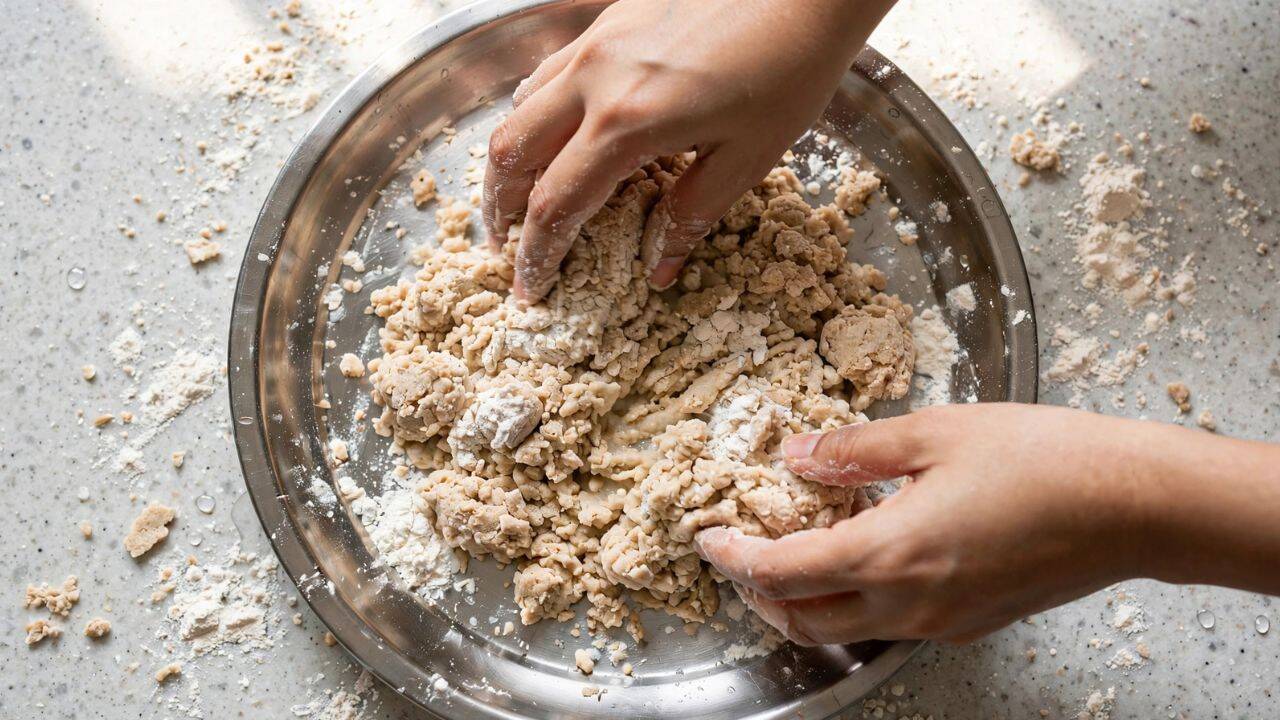
Mix before bringing the dough together
Mix the flour and water slowly until they come together. Let the mixture rest for a few minutes before kneading. This helps the flour absorb the water and makes the dough softer and easier to handle. The dough should be soft and smooth, not too wet.
PC: AI Generated
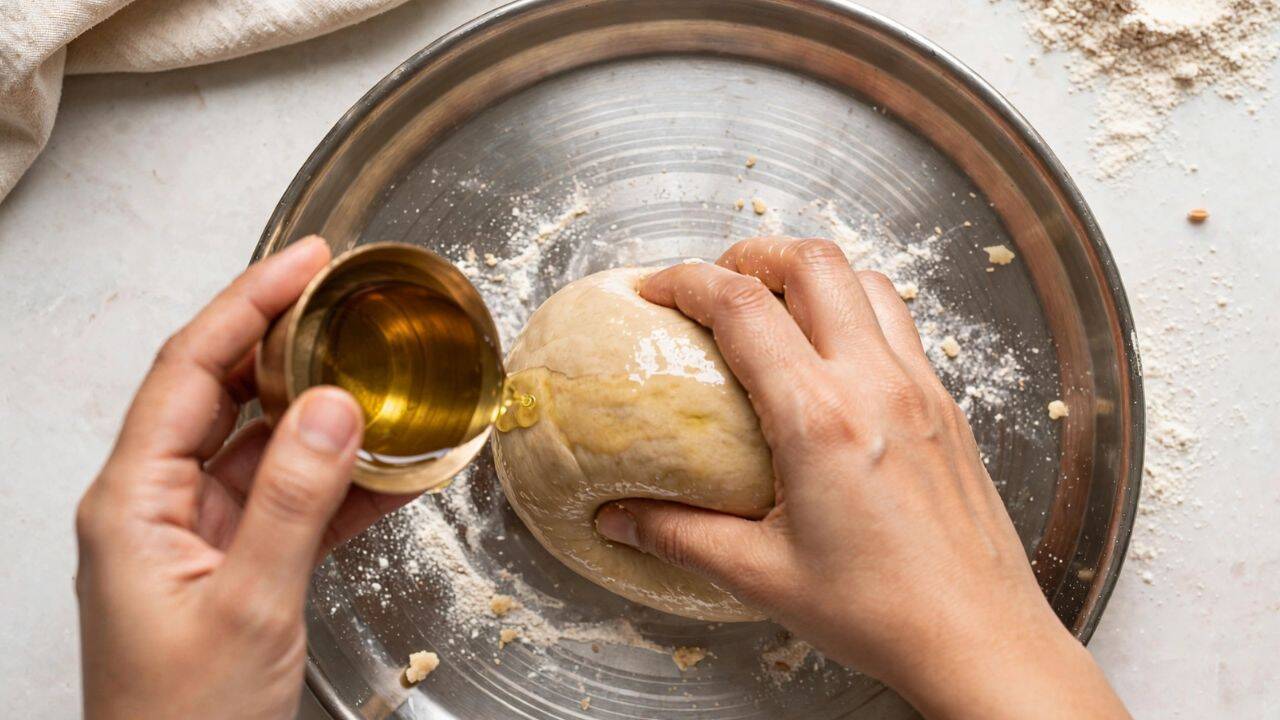
Use a little oil after the dough forms
Once the dough comes together, add a little oil and knead it briefly. This can make the dough smoother and easier to handle. Use only a small amount and add it after the dough has reached the right consistency. A light coating is enough to give the dough a softer, smoother surface.
PC: AI Generated
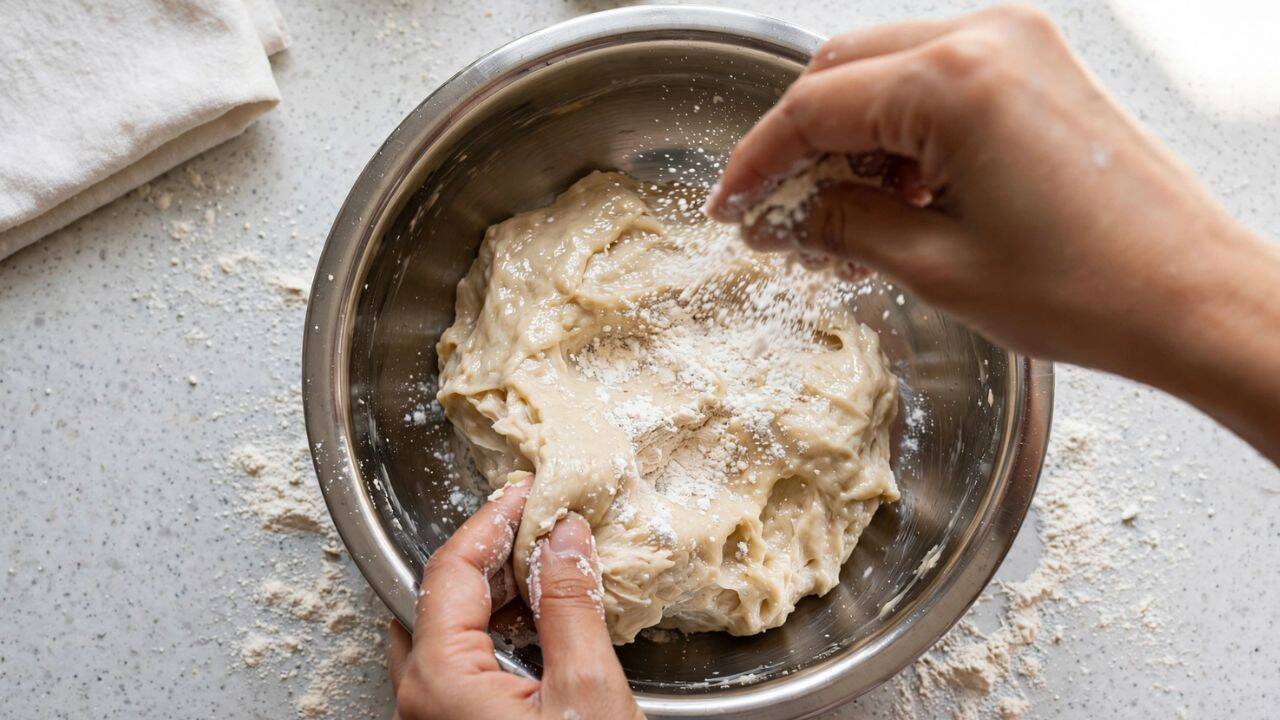
Adjust the dough with small amounts of atta
If the dough is still too wet after resting, add a little dry atta and knead it in. Add more only if needed. Avoid adding too much at once, as this can make the dough too firm. Small amounts are easier to manage.
PC: AI Generated