










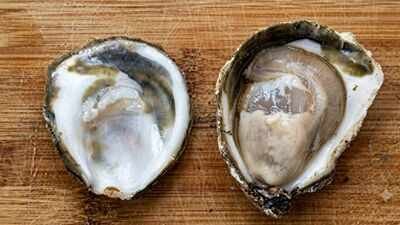
Oysters can carry a type of bacteria that can cause serious and sometimes deadly infections in people, yet the shellfish can carry the microbe without showing the same kind of illness. The organism is Vibrio vulnificus, an estuarine bacterium that can become closely associated with American oyster tissues. Researchers have found that the answer lies partly in the oyster’s immune cells, known as haemocytes. These cells engulf invading microbes and use destructive processes to break them down. But V. vulnificus does not always meet that defence in the same way as other bacteria. According to research published in the National Library of Medicine titled ‘Viability of Vibrio vulnificus in Association with Hemocytes of the American Oyster (Crassostrea virginica)’ found that the virulent form was less likely to be taken up and destroyed by the oyster’s immune cells than the nonvirulent form. They suggested that the bacterium’s capsule may help protect it from these cellular defences.
How oysters’ immune cells respond when bacteria enter their bodies
American oysters live in estuarine waters where bacteria are a normal part of the environment. As filter feeders, they draw water across their gills and capture particles for food. That process can also bring Vibrio vulnificus into contact with their tissues. The bacterium can become associated with the oyster itself and remain there even after controlled purification methods.Haemocytes are central to the oyster’s internal defence system. When bacteria enter the animal’s tissues, these cells can surround and engulf them through a process called phagocytosis. Once inside a haemocyte, a bacterium may be exposed to cellular mechanisms designed to destroy it.Their immune system can recognise and attack the bacterium, but the outcome depends on characteristics of the bacterial form involved and its ability to withstand cellular defences. When these cells encounter bacteria, they can engulf the organisms and expose them to enzymes and other destructive processes.
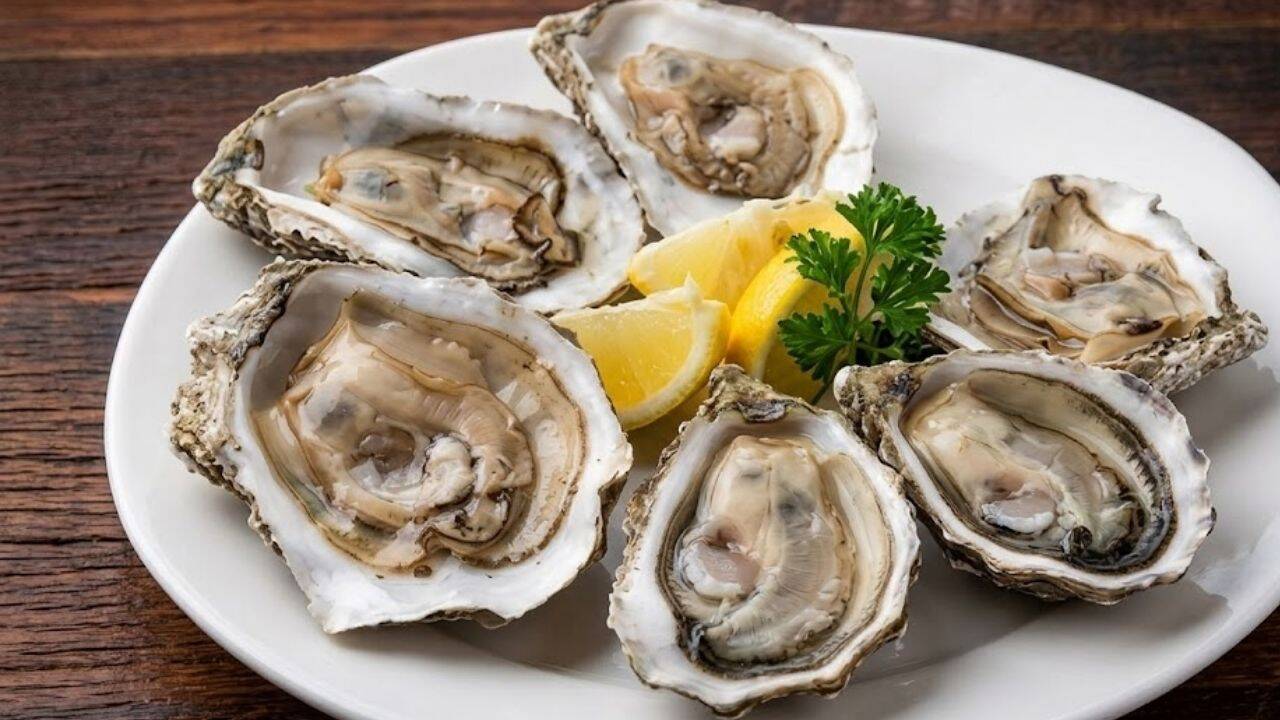
PC: By Jud McCranie/Wikipedia
What helps the bacteria survive after entering an oyster
The study found a striking difference between two forms of V. vulnificus. The virulent opaque form experienced lower levels of phagocytosis and bactericidal degradation than the translucent, nonvirulent form. The researchers suggested that encapsulation may contribute to this resistance.A capsule can provide a protective layer around a bacterial cell, making it harder for immune cells to ingest or break down the organism. The experiments also showed that V. cholerae and E. coli died inside oyster haemocytes more often than the opaque V. vulnificus isolate. This helps explain why the bacterium can persist in oyster tissues rather than being rapidly cleared.
How the bacteria’s survival in oysters can affect human health
The ability of V. vulnificus to persist in oysters is important because the bacterium can cause infections in humans. The study notes that illness can follow consumption of raw oysters or exposure to seawater containing the organism. The research does not show that oysters are immune to V. vulnificus, nor does it mean every oyster contains dangerous levels. Instead, it helps explain why the organism can remain associated with oyster tissues despite the animal’s cellular immune defences. Understanding that interaction helps explain its persistence in shellfish and the public health concern around raw oysters. This is why the biological mechanism matters beyond the laboratory.