










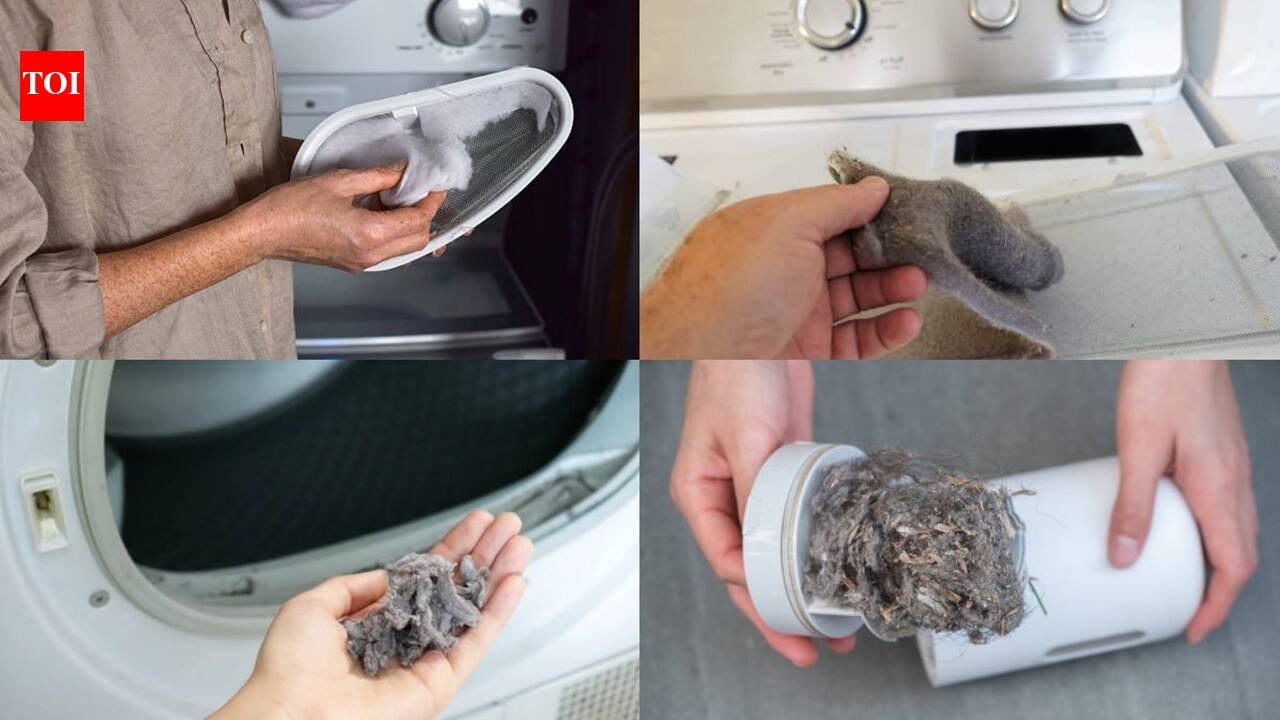
That soft grey fluff collecting in the dryer’s lint trap after every load usually gets balled up and binned without a second thought. Before reusing any of it, though, one thing matters more than any clever project: lint is genuinely, seriously flammable, and failure to clean it out regularly has been identified as the leading cause of dryer fires in home fire statistics. So the first rule here is non-negotiable: clean the trap after every single load, purely for safety, whether or not you ever reuse a scrap of it. Once that’s a habit, a second rule decides what’s actually worth keeping: lint from natural fibres like cotton, wool, and linen is genuinely reusable and biodegradable, while lint from synthetic fabrics like polyester and nylon contains microplastics, doesn’t break down, and is best kept out of anything meant to return to soil or nature. With both of those in mind, here’s what to actually do with the natural-fibre lint you save.
Homemade fire starters
This is the most popular reuse for good reason, lint catches a spark almost instantly thanks to its low density and huge surface area. Pack it loosely into an empty toilet paper roll, or press it into the cups of a cardboard egg carton and seal each one with melted candle wax for a longer-burning, more portable version. It’s worth being a purist here specifically, use lint only from loads washed without fabric softener or dryer sheets, since residue from those products can affect how perfectly the lint burns and what it releases as it does.
Compost, but only from natural fibres
Lint made from cotton, wool, or linen breaks down in a compost pile much like any other carbon-rich material, adding bulk without introducing anything harmful. The catch is knowing exactly what went into that particular load, since most households wash a mix of natural and synthetic fabrics together, and it’s genuinely difficult to separate the two once they’ve fused into a single ball of fluff. If you’re not confident your laundry was entirely cotton, wool, or linen that day, it’s safer to skip composting that batch and send it toward a fire starter instead.
Stuffing for draft stoppers and craft cushions
An old sock or a length of spare fabric, stuffed with dryer lint and sewn or tied shut, makes a genuinely effective draft stopper for the gap under a door or window. Because dryer lint is essentially a free, endlessly renewing resource, there’s no real cost to restuffing it as needed, and the same idea extends to small craft cushions, stuffed toys, or pincushions where a soft, lightweight filling is all that’s required.
Adding texture to homemade paper
For anyone who makes their own recycled paper or works with papier-mâché, dryer lint blends in as a genuinely useful bulking material. Soaked and mixed into wet, pulped scrap paper, it adds body and texture to the final sheet, and stirred into a basic flour-and-water papier-mâché paste, it gives sculptural projects a bit more structure without needing extra paper pulp.
Lining plant pots to stop soil spilling out
A thin layer of natural-fibre lint pressed into the bottom of a plant pot, right over the drainage hole, works much like the mesh or broken pottery shard traditionally used for the same job, keeping soil from washing straight out while still letting excess water drain freely. It’s a genuinely simple way to solve a small, common gardening annoyance using something that would otherwise be thrown away entirely.Protecting wooden tool handlesA clump of lint makes a surprisingly good applicator for oiling wooden-handled tools like hammers, rakes, or shovels, working linseed oil into the grain to keep the wood from drying out and cracking over time. One safety note worth remembering here: oil-soaked rags and lint should always be laid flat to dry completely before being thrown away, since oil-soaked material bundled up while still wet can generate enough heat to combust on its own.
A thin garden weed barrier
Spread in a dense, dampened layer over bare soil, natural-fibre lint can act as a basic, biodegradable substitute for landscape fabric, blocking light from reaching weed seeds underneath. It’s worth treating this one as a modest, short-term helper rather than a serious long-term solution, since it breaks down over a season and needs topping up, but it’s a genuinely free way to suppress light weed growth around potted plants or a small garden bed.
Free material, used thoughtfully
None of these seven ideas need anything beyond lint you were already collecting from the trap after every load, but getting real value out of it comes down to those two simple rules established at the start: clean the trap for safety first, and know whether what you’re saving is natural fibre before deciding where it goes next.
Disclaimer:
This article is intended for general informational purposes only. Always clean your dryer’s lint trap after every use to reduce fire risk, and never leave oil-soaked lint or rags bundled together, as this can pose a spontaneous combustion hazard. Avoid using lint from loads washed with fabric softener or dryer sheets for fire-starting or composting purposes.