









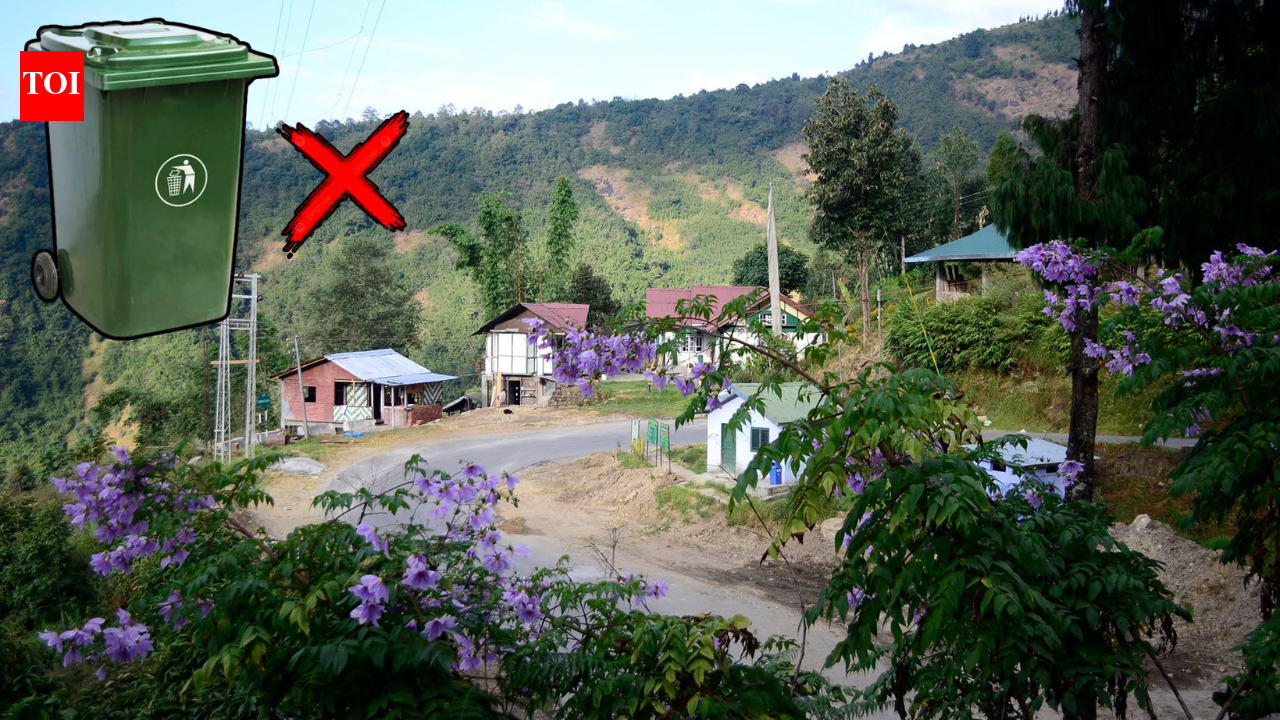
At first glance, Phadamchen (also Padamchen) of Sikkim looks like many other Himalayan villages. It is surrounded by forests, sits more than 8,000 feet above sea level and attracts tourists travelling along Sikkim’s old Silk Route. But in this village, you do not find public dustbins lining its roads. And yet, there is remarkably little litter. The reason is not that Phadamchen produces no waste. It is that residents have been taught not to treat the roadside as a place to throw it.The change began in 2017, when Dawa Choden Bhutia, then the panchayat president of Lingtam-Phadamchen, brought together 17 local women to form a group called ‘Swachhata Sahayogi’, or sanitation assistants. Their aim was to deal with the growing waste problem in a village that was seeing more tourists but had limited waste-management infrastructure.According to WWF-India, Bhutia continues to be involved in the village’s waste operations even after stepping down as panchayat chief. The organisation credits her and the women working with her for helping Phadamchen earn the title of Sikkim’s cleanest village in 2023.
The problem was not just garbage
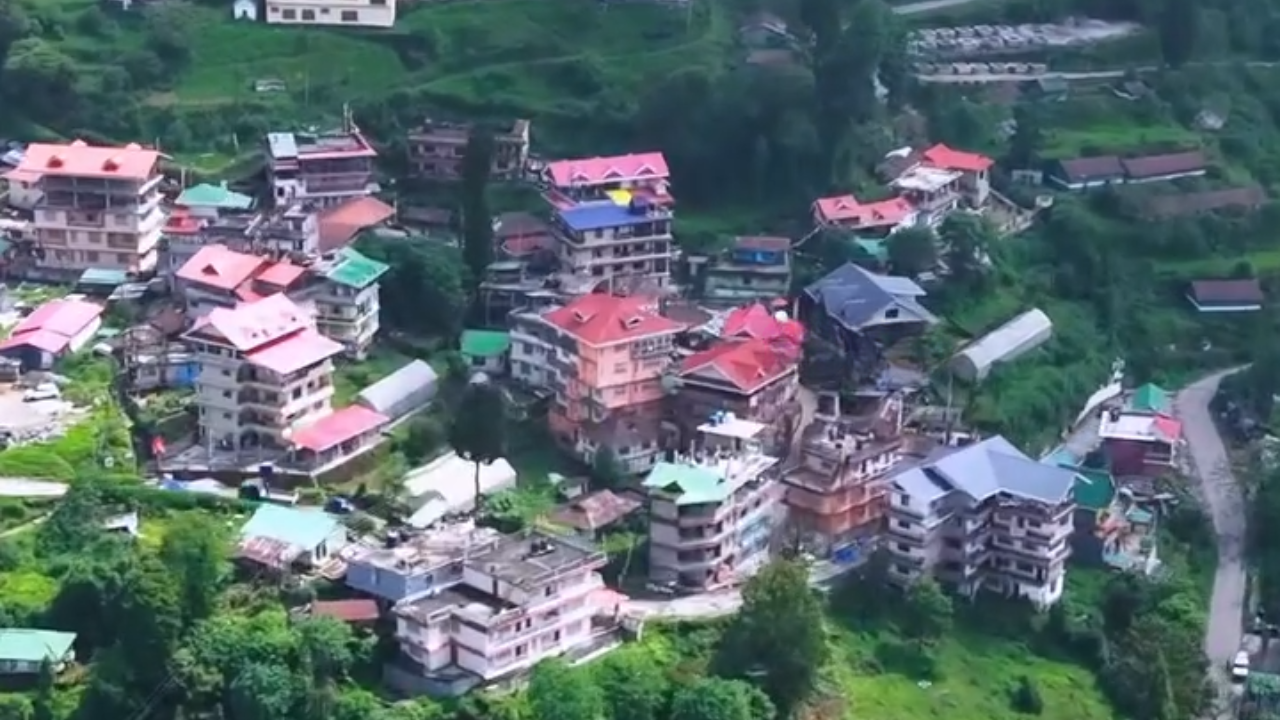
The village eventually moved towards a system in which waste is segregated at the household level rather than thrown together and dealt with later.
Phadamchen’s location makes waste management particularly difficult. The village is close to the Pangolakha Wildlife Sanctuary, and its popularity has grown among tourists travelling towards Zuluk and other parts of the Silk Route. More visitors meant more plastic bottles, food packaging and other waste.The first challenge, however, was not simply collecting the trash. It was changing how people thought about waste. The village eventually moved towards a system in which waste is segregated at the household level rather than thrown together and dealt with later. Wet waste is handled separately, while plastic and other dry waste is collected, sorted and sent for recycling or reuse.The government-backed Swachh Bharat Mission-Gramin itself promotes this model, with villages encouraged to manage biodegradable waste through composting and create systems for segregation and recovery of plastic waste.
17 women became the backbone of the system
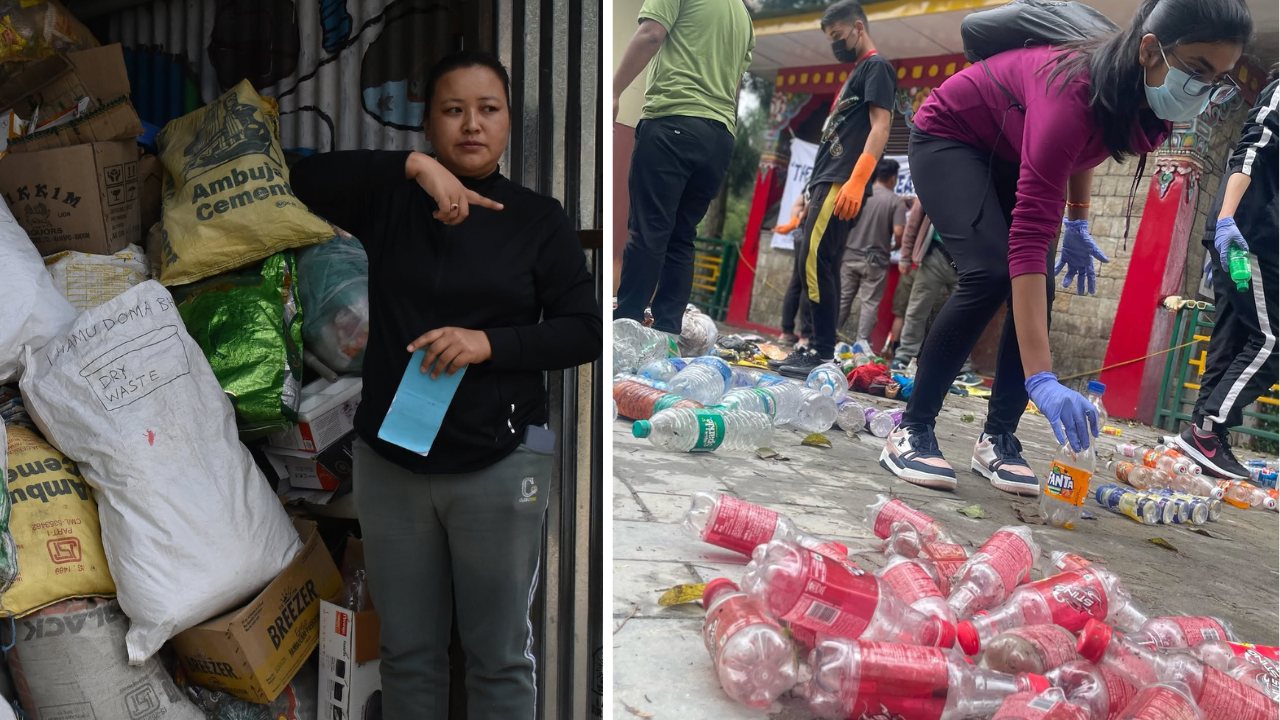
The collected plastic is sorted and either recycled or converted into products such as bags and baskets.
The Swachhata Sahayogi group became central to Phadamchen’s transformation. According to The New Indian Express, the village’s waste-management effort later expanded with training for people working in hotels, homestays, shops and other local establishments. The focus was on waste segregation and composting.WWF-India also became involved in 2022 through its conservation work in Sikkim’s red panda landscape. Phadamchen was identified as an important area for habitat management, linking waste management with the protection of the surrounding ecosystem.According to a New Indian Express report, the village’s households contribute several kilos of plastic waste each week for processing at the facility. The collected plastic is sorted and either recycled or converted into products such as bags and baskets.
Even the lockdown did not stop the system
The work was not always easy. During the Covid-19 lockdown in 2020, the village faced a particularly practical problem: there was no driver for the garbage vehicle. Bhutia recalled to WWF-India that she had to drive the garbage truck herself to take the waste to the collection centre.
What happens to the waste?
The village’s model is based on separating waste before it becomes a mixed pile. Kitchen waste can be composted rather than being sent away as garbage. Dry waste is sorted at the Material Recovery Facility. Plastic that can be recycled is sent into the recycling chain, while other material can be reused or upcycled.WWF-India has also documented plans by the Swachhata Sahayogis to learn upcycling techniques for multi-layered plastic, with the possibility of turning the material into products such as baskets and dustbins that can be sold to hotels and homestays.
The village’s location makes the achievement more significant
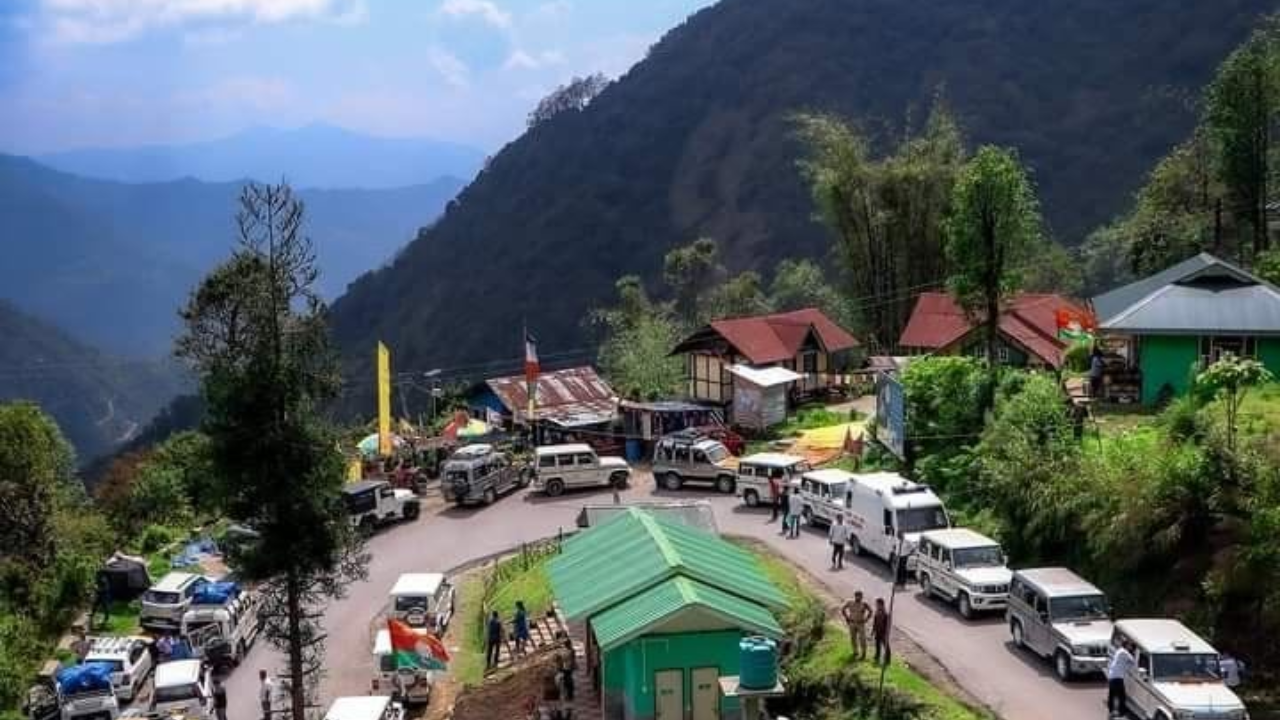
For a Himalayan village, unmanaged plastic is not simply an eyesore.
Phadamchen sits at more than 8,200 feet and is surrounded by the forests of the Pangolakha Wildlife Sanctuary. It is also a stopping point for tourists travelling through the old Silk Route. The village is home to around 300-350 families and notes that birdwatchers and tourists visit the area.That tourism brings economic opportunities, but it also creates additional waste. For a Himalayan village, unmanaged plastic is not simply an eyesore. It can enter forest and wildlife habitats and becomes harder to remove because of the terrain. That is why the waste-management effort has been connected to conservation.
The recognition came in 2023
In 2023, the Sikkim government officially recognised Lingtam Phadamchen Gram Panchayat Unit as the state’s cleanest village. The government record shows that it received the top rank in the cleanest-village category and a ₹5 lakh cash award. The village also received support to strengthen its plastic-waste infrastructure. According to media reports, the government provided ₹16 lakh under the Swachh Bharat Mission for construction of a Plastic Waste Management Unit.
And the results go beyond clean roads
The most striking result is not simply that Phadamchen looks cleaner. The village has been trying to make waste segregation part of everyday life whether at homes, shops, homestays and other establishments.Phadamchen’s experiment fits into that larger effort, but its story remains distinctly local. A group of women saw a problem in their own village, started working with households, built a collection and recovery system and eventually helped turn the village into a state-recognised model.The clean village is not being kept clean by putting a bin on every road. The waste is being dealt with before it reaches the road in the first place.