










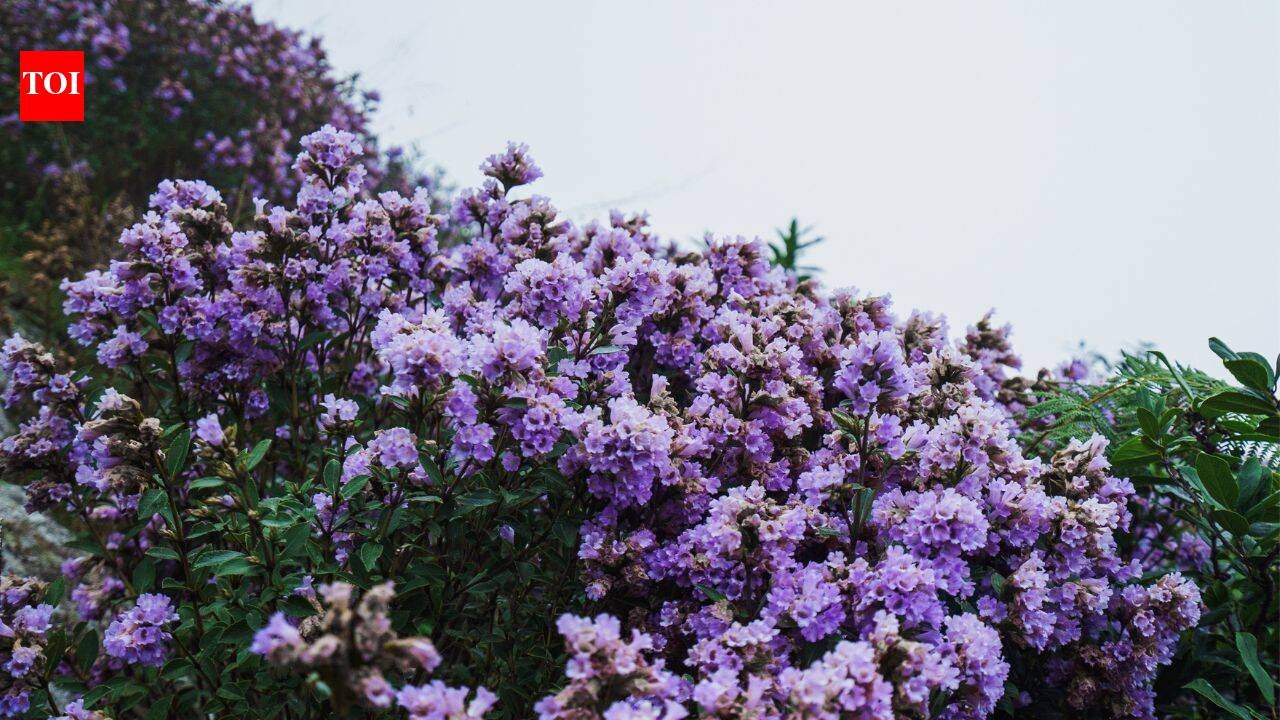
Munnar, once again has turned into an unusual shade of blue and purple, thanks to the rare Neelakurinji bloom this September. The rare Neelakurinji (Strobilanthes kunthiana) has burst into bloom across parts of the hill station after nearly 12 years. The present flowering is being reported around Chokramudi and the Mattupetty–Korandakkad hills (stretches of the Western Ghats). Kerala Tourism itself records that a distinct Neelakurinji population in the Mattupetty–Kannimala region flowered in 1990, 2002 and 2014, with its next flowering expected in 2026.What’s in for travellersThis is a rare opportunity for travellers to witness one of Munnar’s most extraordinary scenery. But there is an important detail: the 2026 bloom should not be confused with the famous Neelakurinji flowering at Eravikulam National Park. That population last flowered in 2018 and is expected to have its next major bloom around 2030.Why is Neelakurinji special and rare
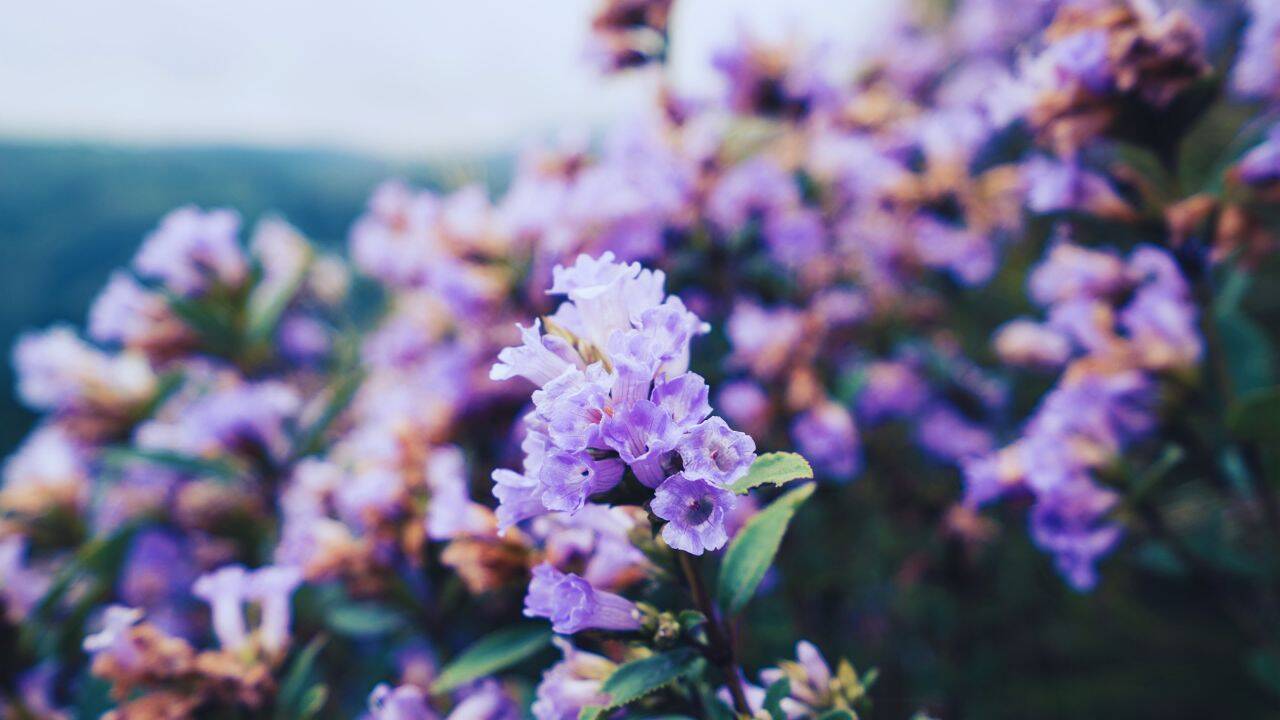
Neelakurinji in Munnar (Canva)
Neelakurinji is a shrub endemic to the high-altitude grasslands and shola ecosystems of the Western Ghats. It is known for its unusual mass-flowering cycle: particular populations flower approximately once every 12 years. The plant grows at elevations generally above 1,500 metres. Kerala Tourism notes that Neelakurinji plays an important role in the fragile mountain ecosystem.Where to see Neelakurinji bloom in 2026Chokramudi Hills: Chokramudi Hills is one of the main places to witness the current bloom. The high-altitude slopes offer sweeping views, allowing visitors to see patches of Neelakurinji. The designated viewing area at Chokramudi has been opened to tourists.Korandakkad–Mattupetty: Another major flowering zone is around Korandakkad near Mattupetty. The wider Mattupetty region is convenient for tourists because it can be combined with other popular attractions, including Mattupetty Dam.Is it happening at the Eravikulam National Park?Eravikulam is among the best-known places in India to witness Neelakurinji. However, the major Eravikulam flowering is not the one taking place in 2026. Its previous major bloom was in 2018, with the next one expected around 2030.So travellers planning a trip only to the bloom should focus on Chokramudi and Mattupetty–Korandakkad.How to reach Munnar
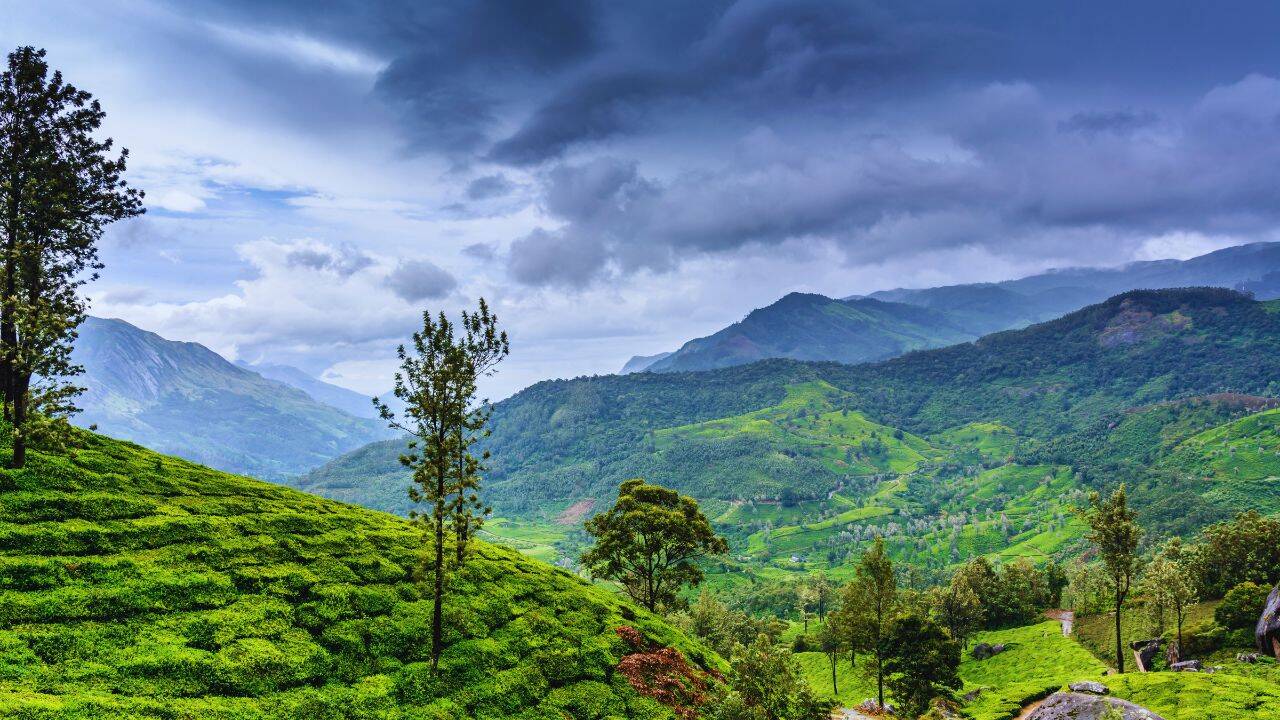
Munnar (Canva)
Munnar is a road-accessible hill station in Kerala’s Idukki district.By air: The nearest major airport is Cochin International Airport, about 105–110 km awayBy rail: Aluva is the nearest railway station, approximately 110–120 km from Munnar depending on the route.Once in Munnar, Chokramudi and Mattupetty are best approached through local transport and authorised access routes.Avoid touching the flowerKerala Tourism instructs visitors not to pluck, touch or trample the flowers. These are to be admired from far and the flowering areas are also strictly no-plastic zones. The plants also help protect the high-altitude grasslands from fire and soil erosion. Visitors should therefore remain on designated trails and follow forest and plantation authorities’ instructions.After all, the magic of Neelakurinji lies precisely in its rarity.