









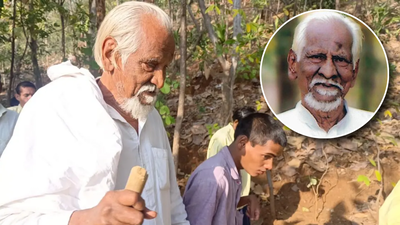
“I dedicate this award to Divyang children.” When social worker Shankar Baba Papalkar was told that he had been chosen for the Padma Shri in 2024, he did not speak first about the recognition. Instead, he spoke about the children who had been at the centre of his life for decades.“I would also try to take some of the children with me when I receive this award,” he told ANI after the announcement. He also said he wanted to meet Prime Minister Narendra Modi and described the honour as “the pride of my country”.For Papalkar, the Padma Shri was less a personal milestone than another opportunity to draw attention to a cause he had pursued for years: what happens to orphaned and Divyang children when they grow up?
A home for children who had nowhere to go
Papalkar, from Maharashtra’s Amravati district, established the institution at Wazzar in 1990. What began with four girls gradually grew into a community that was home to 123 children by 2024. The institution, known as the Late Ambadaspant Vaidya Divyang and Destitute Children’s Home, was built around the idea that rehabilitation should not stop at food and shelter.
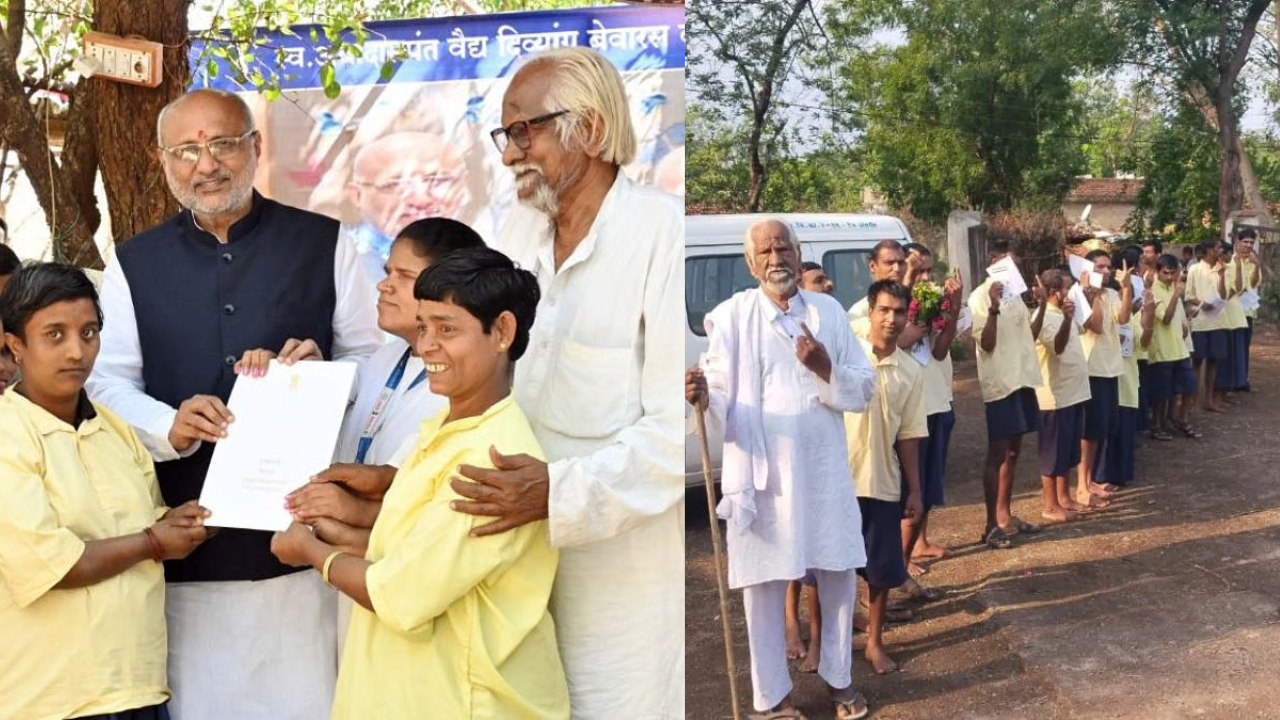
What began with four girls at Wazzar in 1990 grew into a home for 123 children.
Nagpur Today reported in 2024 that Papalkar had devoted his life to the welfare and rehabilitation of orphaned, destitute and Divyang children. At the time, the ashram had 123 residents.But what made his approach different was something as basic as a name.For children who had grown up without a family identity, Papalkar gave them his own name. Their documents, including Aadhaar records, have carried Shankarbaba Pundlikrao Papalkar as their father’s name. The approach became part of what has been described as the Vazzar Model– a system based on identity, self-help, mutual support and dignity rather than lifelong dependence.The philosophy was simple: the children were not merely to be looked after; they were to become capable of looking after themselves and each other.
From abandoned children to families, jobs and responsibilities
Papalkar’s idea of rehabilitation extended into adulthood. Residents were encouraged to study, work, participate in everyday responsibilities and become part of the wider community.According to the official Padma Awards citation, 21 daughters and three sons from the institution had been married, while 12 children who grew up there had secured government jobs. The ashram also became a place where residents took responsibility for their surroundings.The land at Wazzar was once barren. Over the years, Papalkar and the children helped transform it into a green landscape with around 15,000 trees, which the residents themselves help care for.Earlier accounts of the institution described children taking responsibility for everyday work according to their abilities- from helping in the kitchen to caring for the trees and supporting other residents. Papalkar’s emphasis was on giving everyone a role and a sense of purpose.
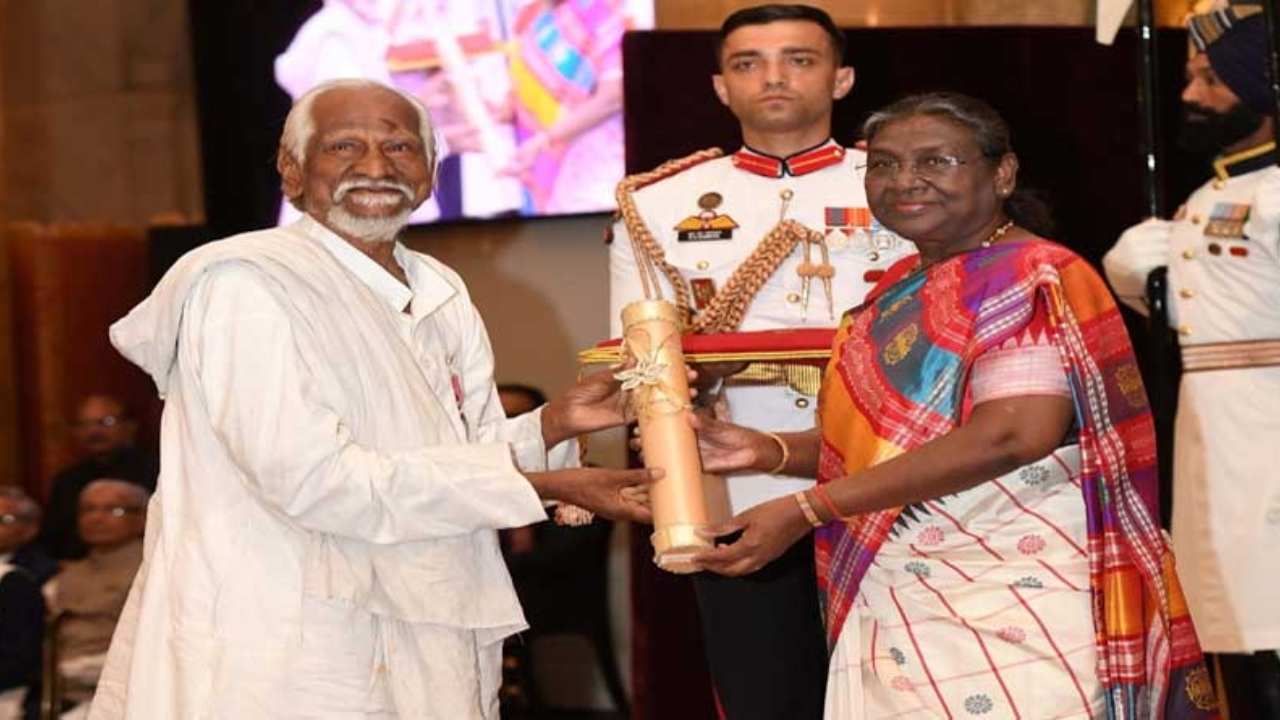
Papalkar received the Padma Shri in 2024 for his decades-long work with orphaned and Divyang children.
His fight did not end with the Padma Shri
For years, Papalkar has also been asking for legal protection for orphaned and Divyang people who cross the age of 18.His concern is that children who have grown up in institutional care can suddenly find themselves without a place to live once they become adults. In 2024, after the Padma Shri announcement, he told ANI that he intended to raise the issue with the Prime Minister.The issue remained central to his work.In February 2025, Maharashtra reports said Union Home Minister Amit Shah spoke to Papalkar on his birthday, with the two discussing the rehabilitation of orphaned and Divyang children. Papalkar reportedly reiterated his demand for a law that would allow such children to continue receiving support after turning 18; the report said Shah assured him that the issue would be addressed.
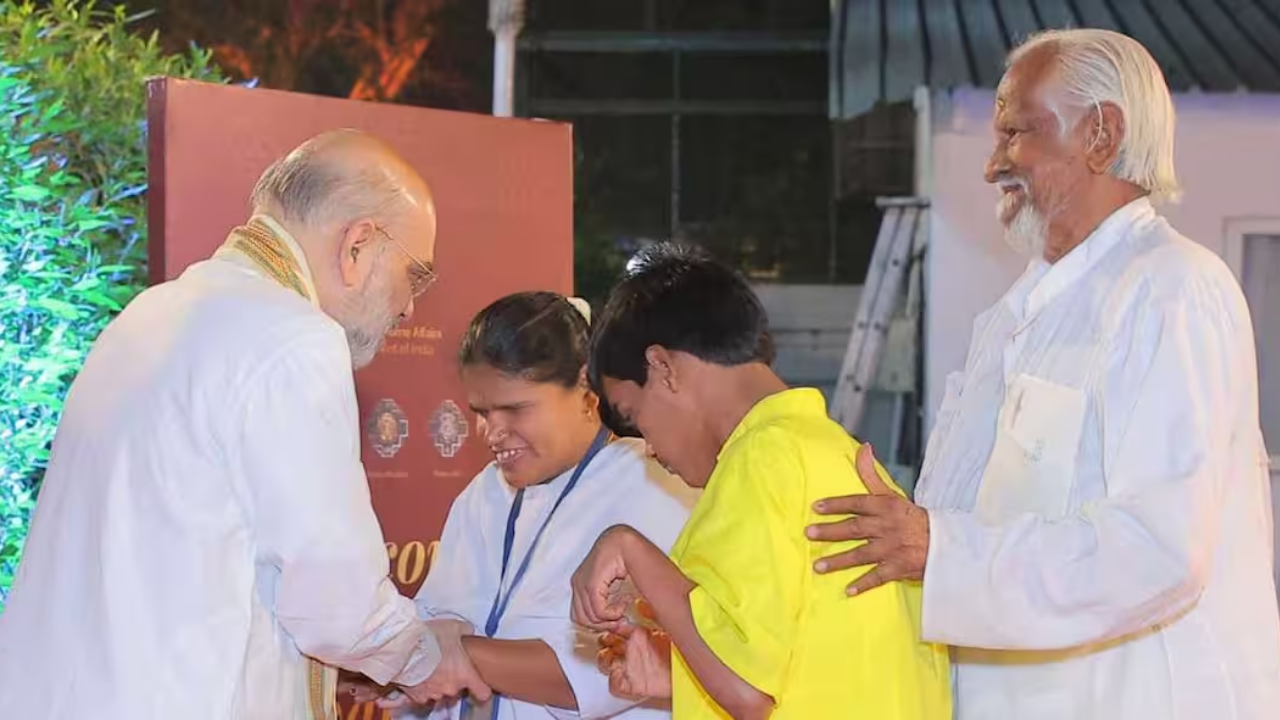
Papalkar has also advocated continued support for orphaned and Divyang children after they turn 18.
Then came Mala’s story
Perhaps one of the clearest examples of what Papalkar’s idea of rehabilitation looks like is the journey of Mala Papalkar.Born visually impaired and abandoned at Jalgaon railway station, Mala eventually came under Papalkar’s care at Wazzar. He gave her his name and supported her education, including her studies in Braille and higher education.
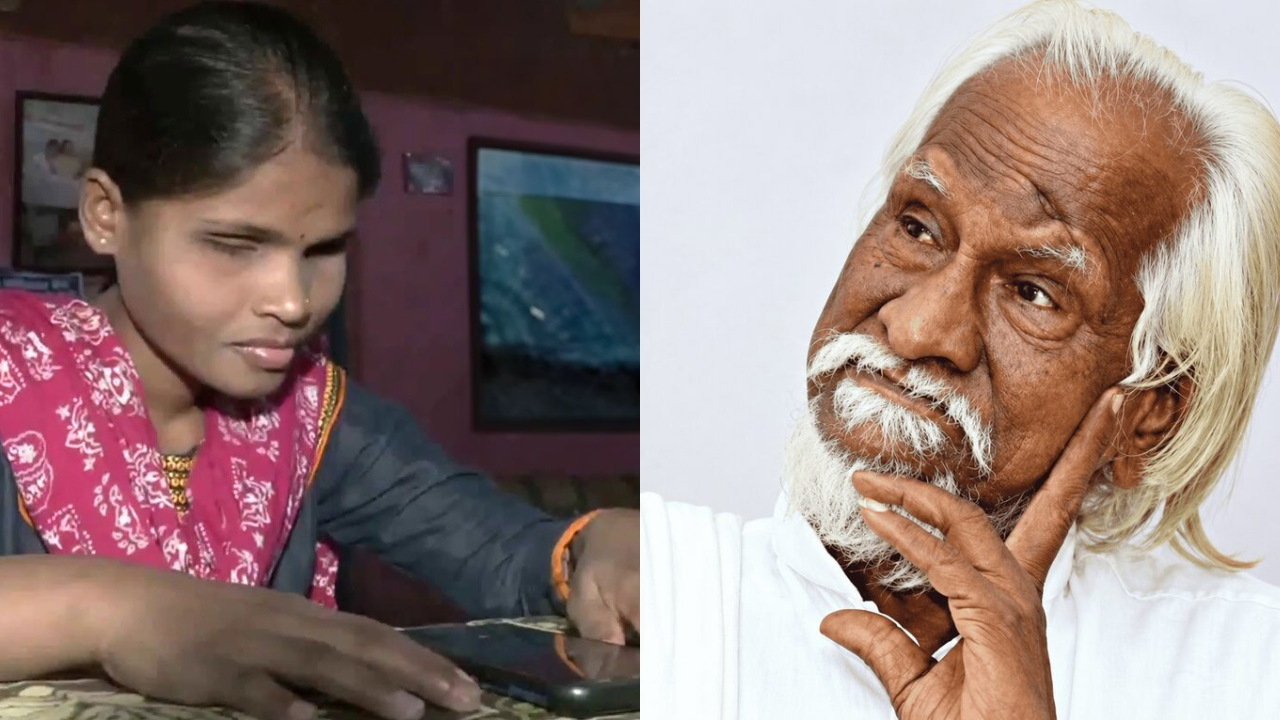
Mala Papalkar, who was abandoned as a baby and is visually impaired, later secured a government job after clearing the MPSC Group C examination.
Mala went on to clear the Maharashtra Public Service Commission’s Group C examination. In October 2025, she received her appointment letter and was appointed as a revenue assistant at the Nagpur Collectorate.For Papalkar, her achievement represented something larger than one examination result.“My happiness is beyond words,” he said in 2025 while speaking about Mala’s success. “I wanted Mala to sit the exam, and now people will see that children raised in ashrams can build their own future.”
The recognition continues
Papalkar’s work has continued to receive recognition even after the Padma Shri.In June 2026, Nagpur University organised a felicitation for Padma Shri awardees from Vidarbha, with Papalkar among those honoured at the event. Reports noted that his decades-long work at Wazzar remained centred on the rehabilitation of abandoned and differently abled children.Yet the defining feature of Papalkar’s journey is not the number of awards attached to his name. It is the number of people who began life without a family name, a home or a clear path ahead- and found all three at Wazzar.In 2024, when he spoke about receiving the Padma Shri, Papalkar said he wanted to take some of his children along with him to receive the honour. Perhaps that was fitting. The award may have carried his name, but the work behind it was built around a family he chose to create.