










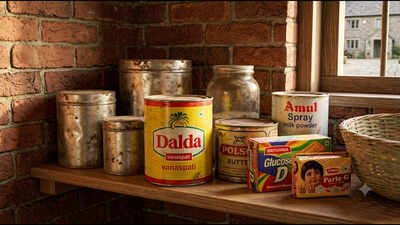
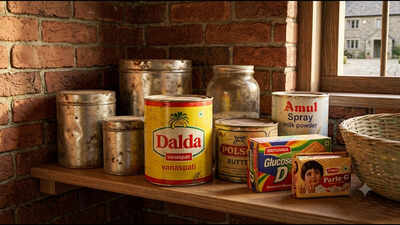
The Indian kitchen of the 1960s looked very different from today. There were no instant noodles, ready-to-eat meals or supermarket aisles packed with dozens of snack brands. Yet packaged food was slowly becoming part of urban life.Some products that once felt familiar have almost disappeared from everyday conversation. Others survive only as old tins, faded advertisements or memories of grandparents. Their stories also reveal how Indian eating habits were beginning to change.
Dalda was more than just cooking fat
Dalda vanaspati was already a major name in Indian kitchens by the 1960s. The brand had been introduced in India in the 1930s as a cheaper alternative to desi ghee. By 1960, Dalda was even being sold in several tin sizes, including half-pound and larger containers.For many households, vanaspati became part of everyday cooking, particularly when the price of ghee made regular use difficult. Today, younger Indians may know the word “vanaspati” but may not realise how prominent Dalda once was.
Polson butter was once a household name
Before Amul became the butter giant it is today, Polson butter had a remarkable place in Indian food culture.Polson became so strongly associated with butter that the brand name was reportedly used almost generically for butter during the 1950s and 1960s. Its marketing also included unusual incentives such as coupons that could be collected for household appliances.Then came a serious shift. Amul had already entered the butter market, and its famous advertising campaign featuring the Amul girl began in 1966.
Glucose biscuits meant something different
The humble glucose biscuit was another important part of India’s packaged-food story.Britannia had been manufacturing biscuits for decades, while Parle’s glucose biscuit became associated with affordable nourishment. In 1960, Britannia launched Glucose D, adding another major name to the category.For earlier generations, a packet of glucose biscuits could mean a school snack, railway journey or something to keep at home for unexpected guests. It was simple food, but packaged and dependable.
Milk powder and baby food were changing diets
The 1960s also saw the growth of processed dairy products in India. Amul’s dairy plant had already begun producing butter and milk powder in the 1950s. In 1960, a new wing was added for roller-dried baby powder and cheese production.That may sound ordinary today. At the time, producing these foods on a large scale from buffalo milk represented a major change in Indian food processing.Disclaimer: Food preferences and availability varied considerably across India in the 1960s. The products discussed here are documented examples of packaged and processed foods associated with that period.