










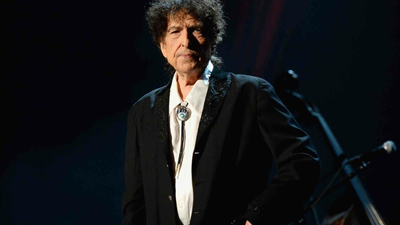
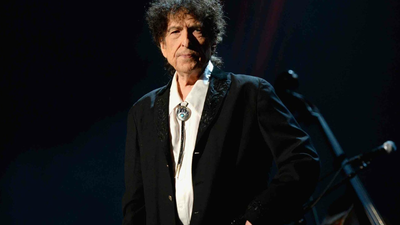
Knowing what we believe is one thing; actually sticking to it can be much harder when the situation gets uncomfortable. That tension is at the heart of a line Dylan wrote in ‘Brownsville Girl’. Even though the song came out decades ago, the idea behind those words still feels surprisingly familiar in everyday life.Today’s quote of the day by Bob Dylan reads: “People seldom do what they believe in. They do what is convenient, then repent.”
What does Bob Dylan’s quote mean?
Dylan’s words point to a contradiction that can show up in ordinary life. We often know exactly where we stand until a situation actually puts those beliefs to the test. When there is an easy way out, following what we believe in can suddenly feel much harder.People do not always go against their own values knowingly. There are moments when stress, emotions or the pressure of everyday life can influence a decision before we have much time to think about it. At times, choosing the simpler option may seem like the most practical thing to do, whether it saves us from an uncomfortable conversation, prevents an argument or simply helps us deal with something quickly. Later, though, we may realise that the choice we made was not quite in line with what we normally believe. Later, they may look back and wish they had handled the situation differently.The word “repent” gives the quote its strongest emotional note. It brings in the idea of regret after realising that our actions did not quite reflect what we believed. Rather than simply criticising human behaviour, Dylan seems to point toward a conflict that many people have faced at some point in their lives.The line appears in ‘Brownsville Girl’, a song written by Dylan with playwright Sam Shepard. The official Bob Dylan website credits both writers and lists the song as part of ‘Knocked Out Loaded’, released in 1986.
Why is Bob Dylan’s quote relevant today?
We can be completely sure about what we believe, but making the right choice becomes harder when we are actually put on the spot. A stressful day, fear of the consequences, not having enough time or simply wanting to avoid an argument can all push us toward a different decision.For instance, a person might notice something unfair but stay quiet because they do not want to become part of the situation. Someone else might genuinely want to spend more time with their family but repeatedly find work, deadlines and other responsibilities getting in the way. Neither decision may seem significant on its own, yet both show the gap that can sometimes appear between what we intend to do and what we actually do.Perhaps that is the reason Dylan’s words still hit home. We have all had moments when we knew what we believed, yet ended up doing something else. It does not always mean we were being dishonest with ourselves. Sometimes a situation simply gets complicated, and in the moment, we choose whatever seems easiest to deal with.
Bob Dylan’s early life
Long before Bob Dylan became one of the most talked-about names in music, he was a young boy growing up in Minnesota with a growing interest in songs and performers. Born in Duluth on May 24, 1941, Dylan spent much of his childhood in Hibbing.He came to New York in 1961 and became a part of the local folk scene by performing wherever he could and getting to know other musicians. The small clubs gave him the freedom to try out new songs in front of audiences. It was a modest beginning, but Dylan’s songwriting was starting to get noticed.Then the 1960s changed the scale of his career. America was going through a period of major social and cultural change and Dylan’s songs found a natural place in that conversation. ‘Blowin’ in the Wind’ and ‘The Times They Are a-Changin” travelled well beyond the folk clubs where he had first performed.
How did Bob Dylan rise to fame?
His decision to perform with an electric guitar at the 1965 Newport Folk Festival became one of the moments most closely associated with that change, drawing plenty of attention at the time.His songwriting continued to evolve through albums including ‘Highway 61 Revisited’, ‘Blonde on Blonde’ and ‘Blood on the Tracks’. His creative interests were not limited to music either. Over the years, he also worked with poetry, prose and visual art.His influence on literature received another major recognition in 2016, when Dylan was awarded the Nobel Prize in Literature for creating new poetic expressions within the American song tradition.