










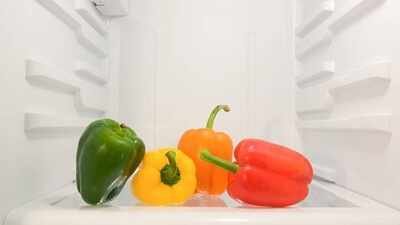
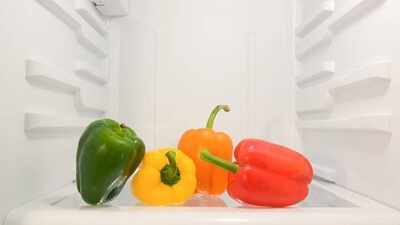
There’s nothing quite as annoying as reaching for a bell pepper you bought with good intentions, only to find it’s gone soft, wrinkly, or worse, developed a slimy patch you definitely don’t want anywhere near your dinner. Bell peppers are one of those vegetables that look deceptively sturdy on the outside, which makes it genuinely tricky to tell just by glancing at them whether they’re still fine to cook with or quietly on their way out. Here’s how long bell peppers actually last in the fridge and the clearest signs that tell you it’s time to toss one rather than risk it.
How long bell peppers typically last
Stored properly in the refrigerator, whole, uncut bell peppers generally stay fresh for about one to two weeks, sometimes even longer if they were in good condition to begin with. The crisper drawer tends to be the best spot for them, since it maintains a slightly more humid environment than the rest of the fridge, which helps peppers hold onto their moisture and stay firm for longer. Once a pepper’s been cut, though, that window shrinks considerably, sliced or chopped peppers are best used within three to five days, since the exposed flesh starts losing moisture and picking up bacteria far more quickly than the intact vegetable does.
Sign 1: The skin starts to wrinkle or pucker
This is usually the very first sign a bell pepper is starting to go, and it’s easy to miss if you’re not looking closely. As the pepper loses moisture over time, the skin begins to wrinkle slightly, particularly around the stem end or in patches across the body, rather than staying smooth and taut the way it looks fresh off the shelf. A pepper at this stage is often still perfectly safe to eat, it’s just past its crisp best, so it’s worth using it up soon in something cooked, like a stir-fry or curry, rather than eating it raw.
Sign 2: It feels soft or mushy to the touch
A fresh bell pepper should feel firm and slightly resistant when you press it gently, almost like squeezing a firm apple. If a pepper feels soft, squishy, or gives way easily under light pressure, that’s a clear sign it’s moved past the wrinkling stage and is genuinely starting to break down. Soft spots in particular, especially ones that feel noticeably different from the rest of the pepper, are worth checking closely, since they often indicate the vegetable has started to rot from that specific point.
Sign 3: You spot mould or dark, slimy patches
This one’s fairly unambiguous, if you see fuzzy white, green, or black mould anywhere on a bell pepper, it’s time to throw it out, no exceptions. Dark, slimy, or wet-looking patches, even without visible mould, are another red flag, since they usually indicate bacterial breakdown has already set in beneath the surface. Unlike some vegetables where you can simply cut around a small bad spot, peppers with mould or sliminess are generally best discarded entirely, since the moisture inside the pepper’s cavity can spread contamination further than what’s visible from the outside.
Sign 4: There’s a sour or off smell
A fresh bell pepper has a clean, faintly sweet, vegetal smell, or honestly, not much smell at all when it’s whole and unbroken. If you cut into a pepper and catch a sour, fermented, or generally unpleasant odour, that’s a strong sign it’s no longer good to eat, even if the visual signs aren’t dramatic yet. Trusting your nose here is genuinely useful, since smell often picks up on spoilage a little earlier than sight alone, especially with peppers that are starting to go bad from the inside.
Sign 5: The inside looks watery or the seeds have darkened
If you cut open a pepper and the inside cavity looks unusually wet or watery, rather than dry with clean, pale seeds, that’s a sign moisture has been building up internally, often a precursor to mould even if none is visible yet. Seeds that have turned dark brown or black, rather than staying a pale cream colour, are another indicator that the pepper is past its best, even if the flesh around it still looks reasonably firm. When in doubt, checking the inside of a pepper that seems questionable on the outside often gives you a clearer, more reliable answer than judging by appearance alone.Disclaimer:This article is intended for general informational purposes only and does not replace official food safety guidance. Actual shelf life can vary depending on the pepper’s freshness at purchase, storage conditions, and refrigerator temperature. When in doubt about the safety of any food item, it is best to discard it.