









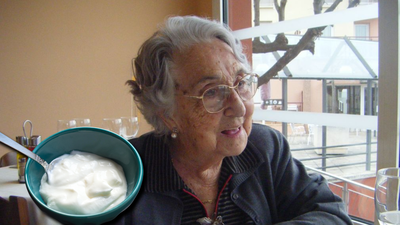
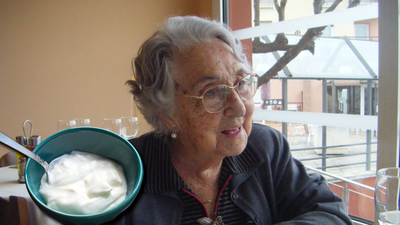
Maria Branyas Morera lived to 117, surviving two world wars, the Spanish Civil War and the 1918 flu pandemic. Born in San Francisco in 1907, she moved to Catalonia, Spain, with her family when she was eight. She became the world’s oldest living person in January 2023 and died on August 19, 2024, aged 117 years and 168 days. What made her life particularly interesting to scientists was not just how long she lived, but how her body functioned at such an advanced age. In 2025, researchers published a detailed analysis of her biology in Cell Reports Medicine, examining her genes, proteins, metabolism and gut microbiome.The findings revealed a mix of age-related changes and biological features associated with better health. Her telomeres, the protective structures at the ends of chromosomes, were extremely short, but she also had low inflammation and high levels of beneficial gut bacteria, including Bifidobacterium. The study offered clues about her biology, but it did not establish why she lived so long. Her reported eating habits have also drawn attention, particularly her regular consumption of yoghurt, olive oil, legumes and grains.
4 foods that featured in Maria Branyas’s reported diet
Yoghurt: reportedly three servings a day

This habit attracted particular interest because researchers found features of her gut microbiome associated with younger individuals.
Yoghurt was one of the most talked-about parts of Branyas’s daily diet. According to Catalan News and various media reports, she ate yoghurt regularly, reportedly consuming three servings a day. Her yoghurt was associated with La Fageda, a Catalan producer. This habit attracted particular interest because researchers found high levels of Bifidobacterium in her gut. Some yoghurt products contain live bacterial cultures that can influence the gut microbiome. However, the study did not prove that yoghurt was responsible for her gut bacteria profile or her longevity.What you can try: Choose plain yoghurt with live cultures and check the label for added sugar. Have it with breakfast, pair it with fruit or use it as a base for a savoury dip. You do not need to eat three servings a day; choose a portion that fits your diet and nutritional needs.Extra virgin olive oilExtra virgin olive oil was another reported part of Branyas’s diet. It is widely used in Mediterranean-style eating, which typically includes vegetables, fruits, legumes, whole grains and other minimally processed foods. Olive oil contains monounsaturated fats and smaller amounts of other bioactive compounds. Replacing some sources of saturated fat with unsaturated fats can support cardiovascular health as part of a balanced diet.What you can try: Use olive oil in salad dressings, drizzle a little over cooked vegetables or use it when preparing beans and lentils. Where practical, use it instead of fats higher in saturated fat rather than simply adding more oil to your meals.Beans and other legumesBeans and legumes were also reported among Branyas’s regular foods. They provide plant-based protein, fibre and several essential nutrients. Their fibre is particularly relevant to gut health because some gut microorganisms use it during fermentation. Legumes can also make meals more filling and provide a useful source of plant protein. They are easy to include in familiar dishes, from Indian dals and chana to bean salads and vegetable stews.What you can try: Add chickpeas to a salad, include rajma or chana in lunch, or serve dal with your regular meal. If you do not usually eat many legumes, increase your intake gradually to give your digestive system time to adjust.Grains in her morning routineBranyas’s reported morning routine included a smoothie made with a mixture of grains or cereals. One account described it as containing eight types of grains, although that specific detail could not be independently confirmed from the primary scientific study. The broader idea of including whole grains in the diet is supported by nutrition research. Foods such as oats and barley provide fibre and other nutrients, and they can help increase the variety of plant foods people eat.What you can try: Start with a simple breakfast of oats, yoghurt and fruit, or prepare porridge with nuts and seeds. You do not need eight types of grains in one smoothie to benefit from whole grains. If you buy ready-made cereal mixes or smoothies, check the ingredients for added sugar.The practical takeaway is not to copy every detail of her routine. It is to build sustainable eating habits, include a variety of nutritious foods and recognise that healthy ageing is influenced by many factors, including genetics, lifestyle and overall health.