










Typically associated with celebrated paintings and portraits, ancient artifacts, and stories from the past, some museums around the world are doing things a little differently. Across the globe, some museums have ditched the conventional and turned the bizarre into an experience worth travelling for. This makes the museum experience more attractive to curious visitors interested in the eccentric artefacts and strange concepts presented by museums and artists worldwide.
(Image Credit: sulabhtoiletmuseum.org)
Museum of Clean, Pocatello, Idaho
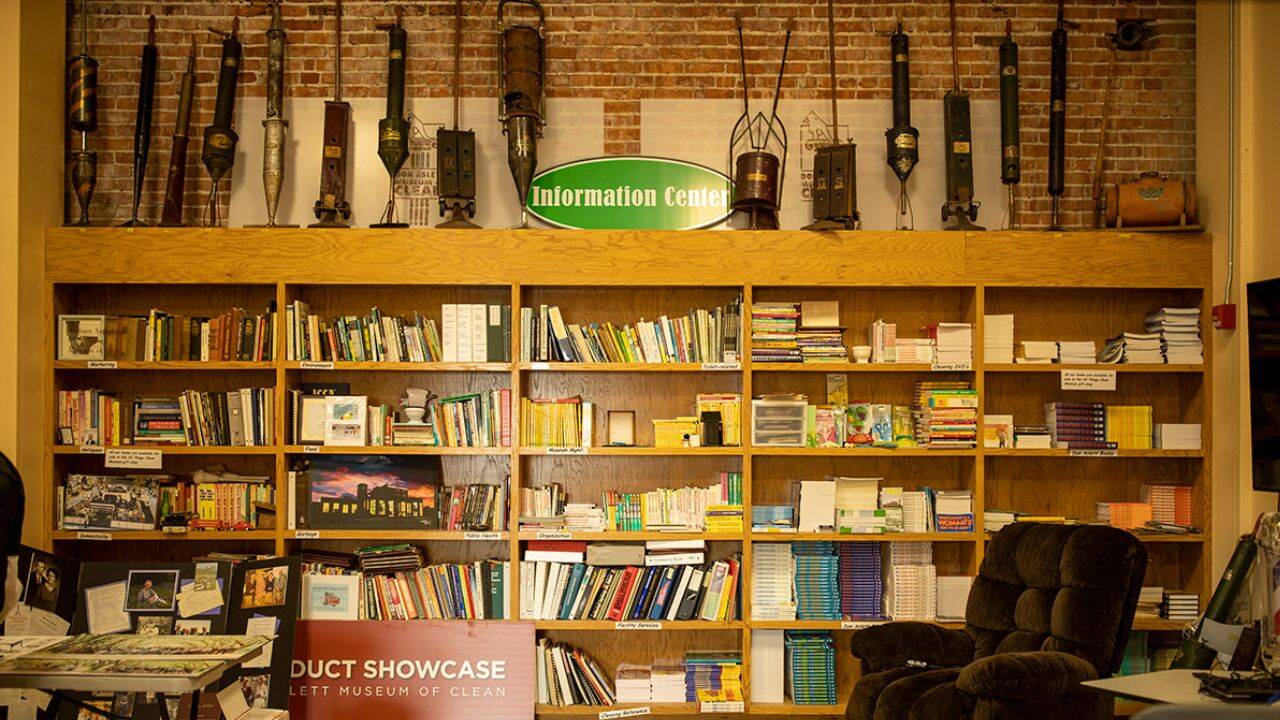
Can you imagine that cleaning could be museum-worthy? Well, the Museum of Clean in Idaho, USA, turns this everyday chore into an unexpectedly fascinating experience, with a vast collection of historic vacuum cleaners, brooms, washing tools and quirky cleaning artefacts. Spread across 74,000 square feet, it goes beyond traditional displays with interactive exhibits that explore the many dimensions of cleanliness, from household hygiene to clean water, air and environmental responsibility. The museum says it has almost 1,000 vacuums spanning a century of cleaning history, along with thousands of other exhibits.
(Image Credit: Museum of Clean)
The museum’s playful side is best seen in Kid Planet, a three-storey interactive space where children can experiment with suction, recycling, washing windows, bed-making and sweeping. Add an art gallery devoted to the idea of “clean” and wonderfully unusual displays, and you have a museum that proves even the most mundane household task can have a surprisingly colourful story.Timings: Tuesday-Saturday, 10am-5pmEntry: Infant (under 1) Free • Toddler (1) US$5 (approx. ₹484) • Child (2-15) US$8 (approx. ₹774) • Adults (16-100) US$10 (approx. ₹968) • Group tour rates available.
Museum of Broken Relationships, Croatia
In the age of situationships, this museum in Zagreb, Croatia, is an exhibition of souvenirs from broken relationships. The museum displays a collection of personal objects left behind after relationships ended, accompanied by stories and emotions connected to them. From love letters and peculiar figurines to everyday objects, these are mementos of love stories gone awry.

Artefacts from the Museum of Broken Relationships(Image Credit: brokenships.com)
Artists Olinka Vištica and Dražen Grubišić created the project, which was first presented publicly as an art installation in 2006. Zagreb later became its first permanent home, and the museum now has permanent locations in both Zagreb and Chiang Mai. The Chiang Mai branch opened to the public in November 2024.Timings: 9am to 10pm in summer, and 9am to 9pm in winter in Zagreb.Entry: €9 (approx. ₹976) for adults; €7 (approx. ₹759) for students, people with disabilities, senior citizens and other eligible visitors.
Sulabh International Museum of Toilets, India
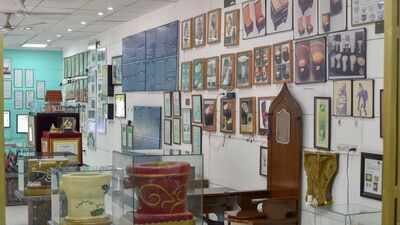
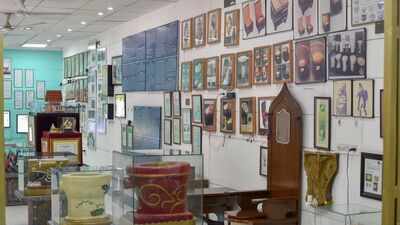
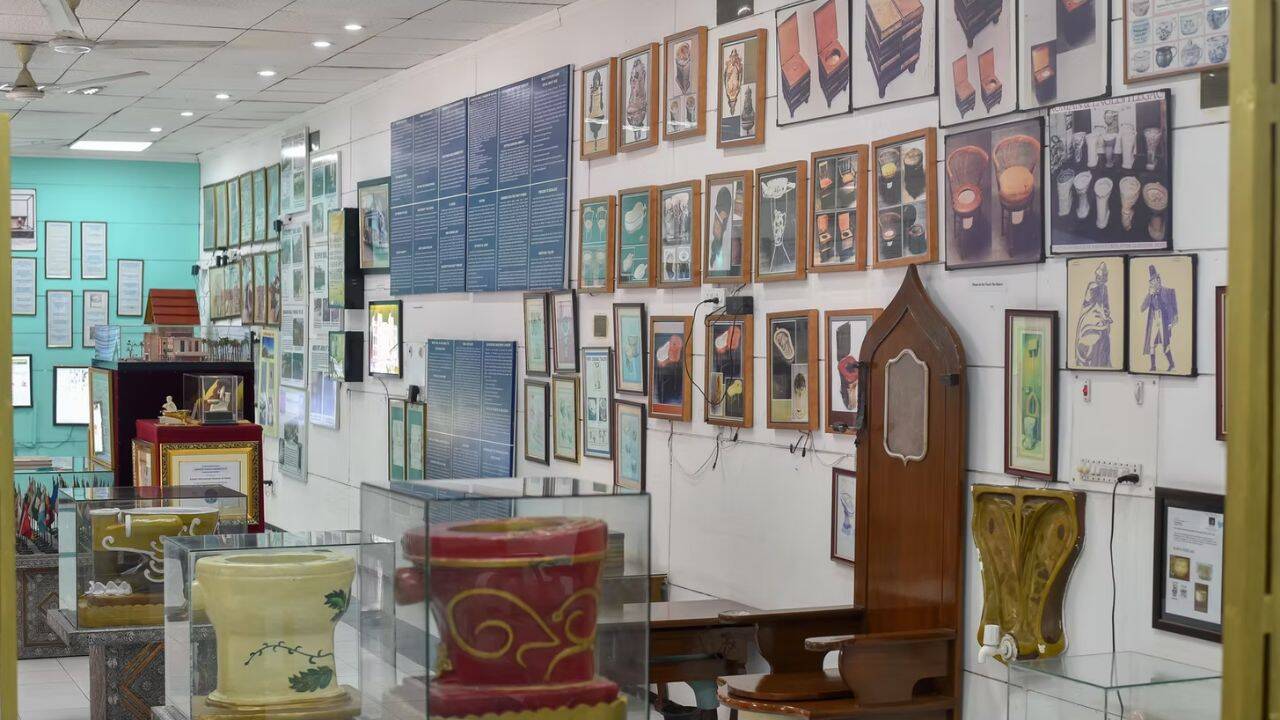
Believe it or not, India has an entire museum dedicated to toilets. Call them what you will, this museum in Delhi features commodes, toilets and other sanitation-related objects. The Sulabh International Museum of Toilets takes visitors through the evolution of toilets and sanitation, displaying artefacts, pictures, posters and models from different periods and countries. Its exhibits include a replica of a “Throne Toilet”, table-top toilets, book-shaped toilets, travel-friendly portable toilets and incineration toilets.
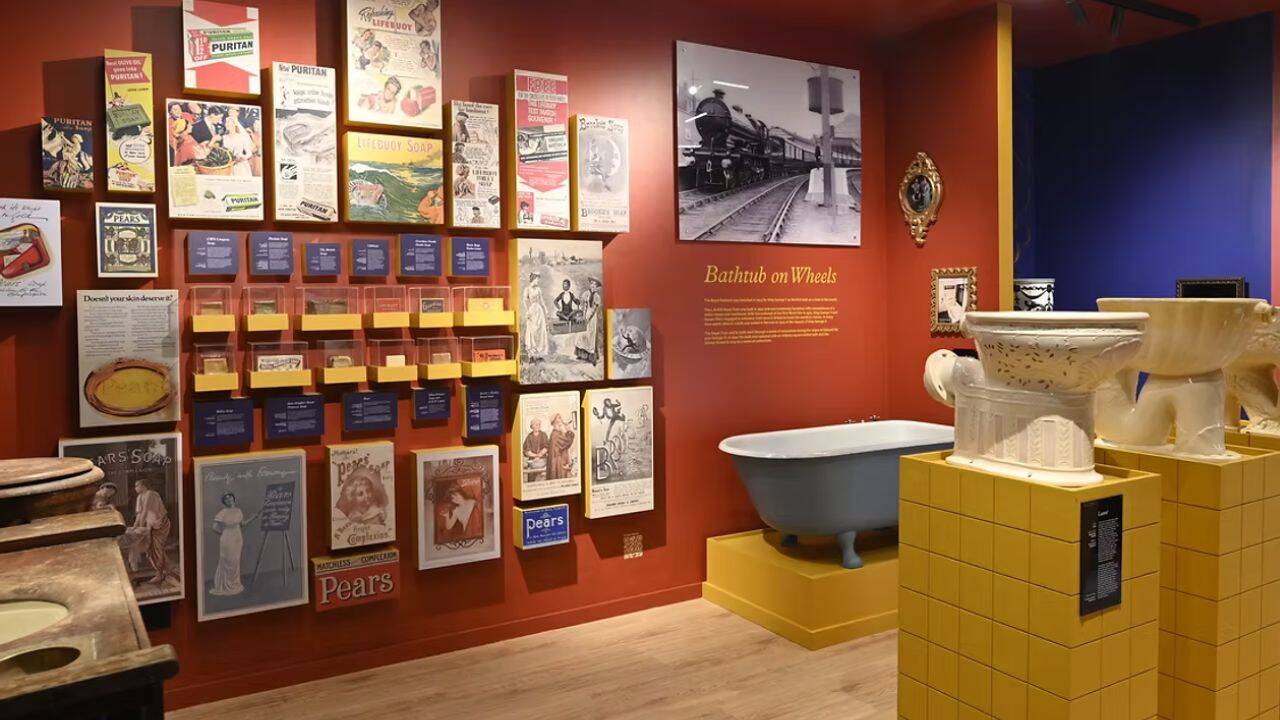
(Image Credit: sulabhtoiletmuseum.org)
The museum was established in New Delhi in 1992 by Sulabh International and was designed to narrate the history and evolution of sanitation. In 2025, Sulabh also opened a new gallery called “Toilet Tales”, which traces the evolution of sanitation in Britain through original Victorian and Edwardian-era fixtures and other objects.Timings: Check with the museum before visiting, as current official information on opening hours is not clearly published on Sulabh International’s website.Entry: Free
Novelty Automation Museum, London
This unique collection of satirical homemade arcade machines offers a novel kind of arcade experience for adults. Created by British artist and engineer Tim Hunkin, Novelty Automation features handmade machines that turn everyday frustrations and social issues into absurd, interactive games. The machines include The Housing Ladder, Small Hadron Collider, The Frisker, Test Your Nerve and an instant-divorce machine.
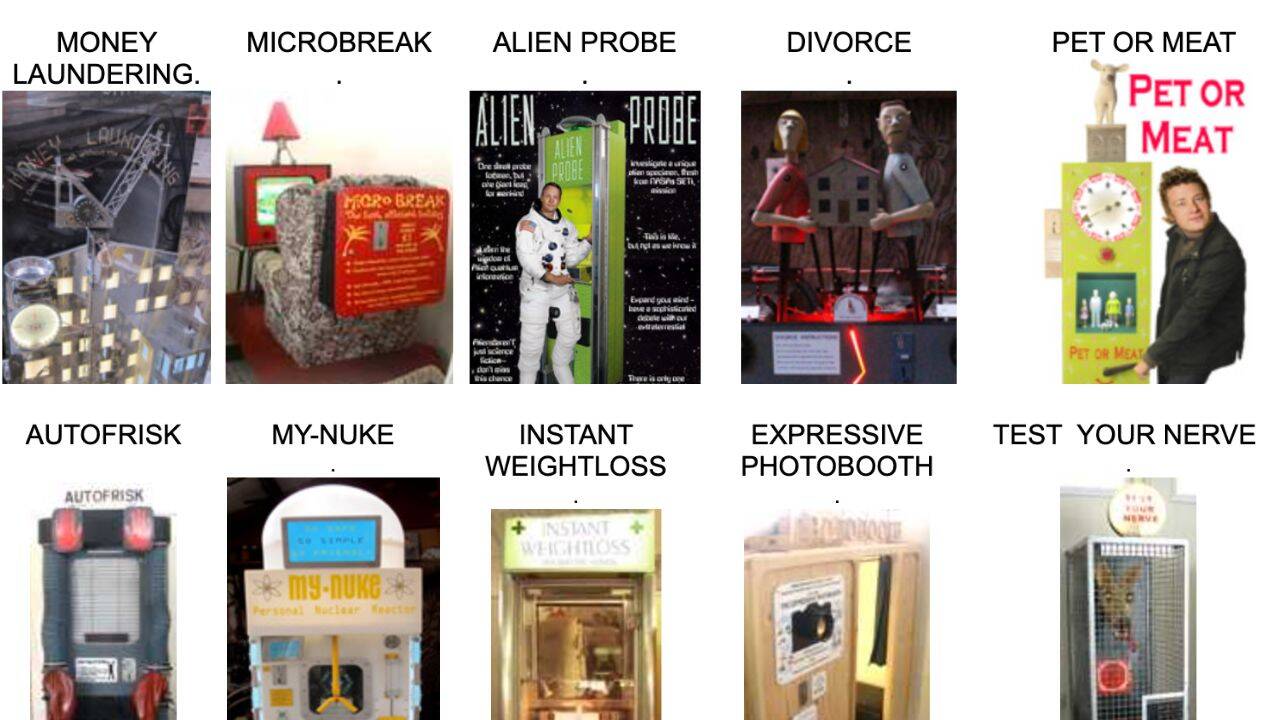
(Image Credit: novelty-automation.com)
Rather than a conventional museum, it is best described as a collection of satirical, homemade arcade machines. Visitors can play the machines using tokens, making it a quirky stop for people who want to experience the nostalgia of arcades while doing something completely different.Timings: Open every day except Monday, 11am to 6pm; Thursday 12pm-8pm; Sunday 12pm-6pm.Entry: Free; machines are operated using tokens.
Museo del Juguete Antiguo México, Mexico City
Ever wondered where your childhood toys go when you grow up? In Mexico City, they have found a rather spectacular second life. The Museo del Juguete Antiguo México (MUJAM), or Museum of Antique Toys, is a colourful and wonderfully chaotic collection of toys and everyday objects.
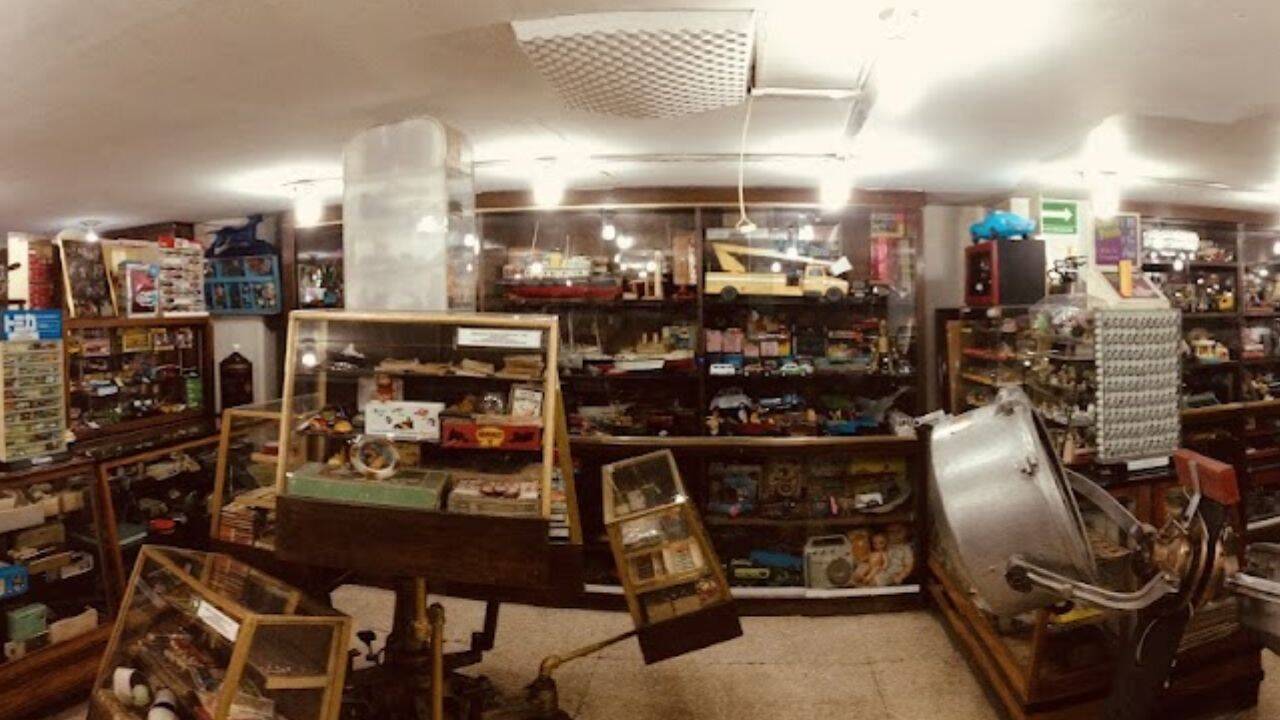
(Image Credit: museodeljuguete.com.mx)
The museum currently displays around 20,000 toys from a collection of more than one million pieces. The collection includes Mexican toys as well as objects from different periods and cultures. Much of it was collected by architect and researcher Roberto Y. Shimizu, who began rescuing toys from tianguis, flea markets and antique fairs in 1955.What makes MUJAM especially quirky is that it feels less like a perfectly arranged museum and more like stepping inside someone’s gigantic childhood memory box. Alongside dolls, toy cars, robots and traditional Mexican toys are rare everyday objects and inventions, creating an unexpected snapshot of popular culture and changing childhoods.Timings: Monday-Friday, 9am-5pm; Saturday, 9am-5pm; Sunday, 10am-5pm. The museum is closed on the last Tuesday of every month.Entry: MX$50 (approx. ₹270).
Torture Museum, Amsterdam
Not your typical museum stop, the Torture Museum in Amsterdam takes visitors on a grim journey through the history of punishment and torture. Housed in a dark, atmospheric setting, its collection features around 40 torture instruments and historical reproductions, accompanied by background information and historical illustrations.

(Image Credit: Wiki Commons)
The experience gets unsettling as visitors see each object alongside its historical context. The collection includes instruments such as a guillotine and a stretching rack, offering a disturbing glimpse into historical approaches to punishment and justice.The museum also features the famous “Iron Maiden”, although it is worth noting that the popular belief that such spiked devices were widely used as medieval torture instruments is historically disputed. The museum’s collection is presented as an exploration of the history and imagery surrounding torture rather than a straightforward catalogue of verified medieval practices.Timings: 10am to 11pm daily.Entry: €9.50 (approx. ₹1,030) for adults; €7.50 (approx. ₹813) for students; €5 (approx. ₹542) for children up to 12 years.