










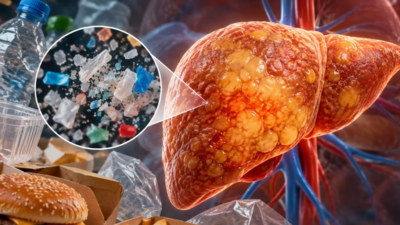
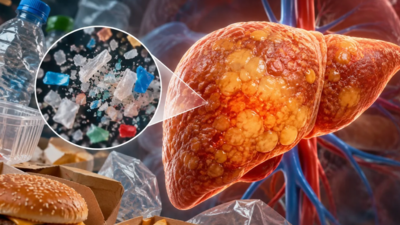
Polyethylene, one of the most widely produced plastics in the world, may have implications for liver health, according to new research from Texas A&M University. The study, published in October 2026 and highlighted by the university’s College of Veterinary Medicine and Biomedical Sciences, found that exposure to polyethylene microplastics was associated with signs of fatty liver disease, with more pronounced effects when exposure coincided with a diet high in fat, fructose and cholesterol. The findings add to a growing body of research examining how tiny plastic particles interact with biological systems. While microplastics have been detected in the environment and human tissues, their long-term effects on health remain incompletely understood.
How polyethylene may affect liver health
Polyethylene is commonly used in food wrappers, storage containers, packaging and the linings of some disposable cups. Its widespread use makes understanding its potential health effects an important area of investigation.Researchers led by Adi Joshi, an associate professor in Texas A&M’s Department of Veterinary Physiology and Pharmacology, examined whether polyethylene microplastics could influence the development of fatty liver disease. The condition occurs when excess fat accumulates in the liver. It can range from relatively mild fat buildup to more serious disease involving inflammation, tissue damage and, in some cases, scarring.According to the researchers, polyethylene exposure increased indicators of fatty liver disease even without an unhealthy diet. When the exposure was combined with a diet rich in fat, fructose and cholesterol, the signs became more severe. The results suggest that environmental exposures and dietary risk factors may interact, although the findings do not establish how much polyethylene exposure contributes to liver disease in people.
Scientists investigate the biological mechanisms
To understand how the plastic might affect the liver, the research team collaborated with scientists at the University of Oklahoma and used a technique known as spatial transcriptomics. The method allows researchers to examine gene activity while preserving information about where changes occur within a tissue. This can help identify specific regions of an organ affected by an exposure, rather than treating the entire tissue as biologically uniform.The analysis highlighted changes involving PPAR-alpha, a protein that helps regulate the breakdown and use of fats in the liver. The researchers also identified ANXA2, a gene associated with cellular processes including tissue repair, as a possible contributor to the observed effects These findings offer potential clues about how polyethylene exposure may alter the liver’s metabolic and protective processes. However, identifying these pathways does not by itself establish that they cause disease, and further work will be needed to determine their precise roles.
An unhealthy diet may compound the effects
Fatty liver disease has multiple risk factors, including obesity, metabolic disorders and dietary patterns associated with excess calorie intake. The Texas A&M findings raise the possibility that exposure to certain environmental pollutants could add to existing risks.The researchers observed more pronounced signs of disease when polyethylene exposure occurred alongside a diet high in fat, fructose and cholesterol. This is particularly relevant to research into metabolic dysfunction-associated steatotic liver disease, or MASLD, the current medical term for the condition formerly widely known as non-alcoholic fatty liver disease.However, the study should not be interpreted as proof that eating packaged food or encountering polyethylene in daily life will cause fatty liver disease. The effects observed under experimental conditions may not directly reflect the doses, exposure routes or long-term outcomes experienced by humans.
What the findings mean for future research
The research team plans to investigate whether polyethylene exposure could contribute to more advanced liver damage, including fibrosis, in which persistent injury leads to scar tissue formation. Scientists also intend to explore the molecular pathways identified in the study, including whether changes involving PPAR-alpha could offer clues for protecting liver tissue against potential microplastic-related damage.Another key question is whether other types of microplastics produce similar effects. Different plastics can vary in their chemical composition, physical properties and interactions with biological systems, meaning the findings for polyethylene cannot automatically be applied to every plastic material. For now, the study offers experimental evidence of a possible link between a common plastic and changes associated with fatty liver disease. Establishing the implications for human health will require further research into real-world exposure levels, biological mechanisms and long-term outcomes.