






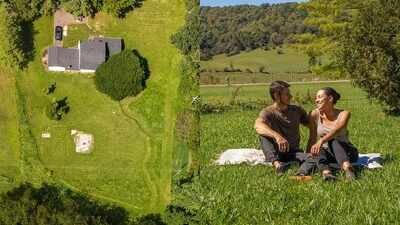
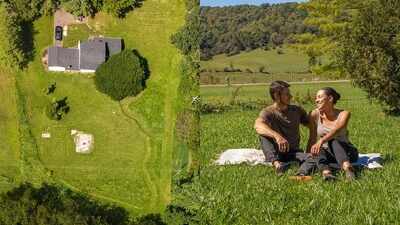
When Brittany Lafave and Ryan Webb moved into their first home in Virginia last winter, the one-acre backyard was a bit of a jungle. Most people would have called in a landscaper, flattened everything and planted a neat lawn. This couple did the opposite. According to a report by People, they decided to turn the overgrown space into a miniature state park, with winding paths, native flowers and plenty of space for wildlife. After roughly six months and about $900, the yard is almost unrecognisable, and it’s drawing butterflies, hummingbirds and other creatures. Here’s how they did it.
A yard nobody wanted to tame
The yard didn’t look like a finished garden when they arrived. Much of it was covered in grass or left to grow wild, and it came with mature trees, old garden beds and leftover materials from the property’s earlier life. Instead of clearing everything, the couple asked themselves what they’d actually enjoy. Since they love hiking, the answer was a place they could explore. Brittany has said the goal is to bring the best parts of state parks to their home, “on a tiny scale”.
Paths, meadows and wild edges
Rather than mowing the whole acre, they cut paths through the taller growth. This created meadow-like patches and what ecologists call “edge habitat”, where wildlife gets a mix of cover and open space to move through. The existing trees and garden beds stayed, and even a concrete pad hidden underground fit into the plan. Leaving parts of the property alone was, in many ways, the cheapest decision they made, and it also happened to be the best one for the animals.
One micro project at a time
The couple didn’t set one big budget. Brittany treats every addition as its own “micro project”, and most of them cost under $150. Native flowers were bought one at a time for around $10, and about $50 went into the flower beds. The biggest single expense was $300 for fencing around the vegetable garden to keep deer out. They also used what was already there, such as a dead tree they hope to turn into a bench. Together, it all added up to about $900.
And then the wildlife arrived
The results showed up quickly. According to the report, Brittany’s first planting attracted a butterfly within a day, and a hummingbird followed a few days later. Over the summer, the yard became a stopover for bees, rabbits, chipmunks, groundhogs and birds, which make good use of the mix of cover and open ground. All the couple had to do was make a little room, and nature seemed happy to move in without any further invitation.
What you can take from it
Brittany has said that one acre can’t restore an entire ecosystem, but it can be made more useful, and she hopes it inspires others to do the same with whatever space they have. You don’t need an acre to try it. Start small, plant native flowers, leave a corner a little wild, and reuse what you already have. Even a balcony with a few native plants and a bowl of water can make a difference to local butterflies and birds.For this couple, a backyard “state park” proves that the most rewarding gardens aren’t always the most expensive. A little patience, some creativity and the willingness to let things grow can go a long way.
Disclaimer:
This article is intended for general informational purposes only and is based on media reports of the couple’s project. Costs, plants and results will vary by location and climate, so check which plants are native to your area and consult a local nursery or horticulture expert before planting.