









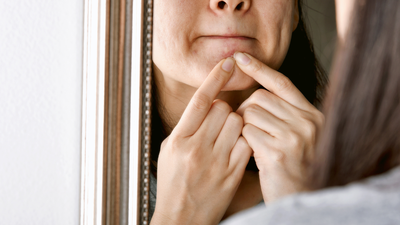
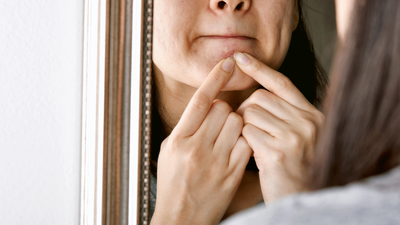
You are at the mirror, just washing your face, and you spot a tiny dark dot on your nose. Before you even realise how you will remove it, your fingers are already there, picking at it. A few minutes later, your skin is red, the blackhead is still half in, and you wonder why you did that again.Most of us have this habit. Even though we want to get the desired clear skin, this urge to pick the blackheads or whiteheads doesn’t seem to go away. Be it during a long study session, while scrolling with nothing to do, or after a stressful day. It can feel less like skincare and more like something our hands do automatically, like they are somewhat wired for it.
But does that mean that you are careless, or you have a “disorder”?
Tiny daily habits often carry a message about how we feel inside; understanding those signs can take away the guilt and make the habit easier to change.So what does psychology say about why some of us pick at pimples and blackheads?Let us read further to find out
What does psychology say about why we cannot keep our hands off of picking at blackheads, whiteheads, and pimples
Picking at blackheads often begins as a skin concern, but psychology suggests emotions can keep the habit going. Occasional picking is very common, and the International OCD Foundation says it is not unusual for healthy people to pick at pimples now and then, and it can become a disorder only when it is frequent or distressing enough to disrupt life. However, it also says that people may pick at these, “out of habit or boredom.“According to a study by Université de Montréal, people with body-focused repetitive behaviours, which include skin picking, were put through situations designed to cause stress, relaxation, frustration, and boredom. Boredom meant sitting alone in a room for six minutes. They reported a stronger urge to pick during boredom and frustration, but not during relaxation. According to the university’s release, such people “also experience greater levels of boredom.“
Mood regulation could also cause skin picking
A 2011 population-based study published in the Journal of Anxiety Disorders, covering 760 adults with pathological skin picking, found that people picked for different reasons, including regulating emotional, sensory, and cognitive states.A 2021 study in Frontiers in Psychiatry reported that 86.7% of participants picked when bored, 82.3% when their body felt tense, and 76% during strong negative feelings such as anxiety, anger or sadness. A 2016 study in Neuropsychiatric Disease and Treatment says that tension, anxiety or boredom tended to be strongest just before picking and eased afterwards. That quick relief may be why the habit seems persistent.
People felt a shift in their mood after skin picking
In the same Frontiers data, many people felt shame (70.9%), anger at themselves (69.6%) and guilt (68.4%) afterwards. A UK interview study of 17 people suggests picking may help regulate emotions because it offers an escape from emotional discomfort.
How can you refrain from skin picking?
A 2023 Cutis paper says swapping picking for a competing action, such as crossing your arms and gently squeezing your fists, can help avoid skin picking and its repetitions.If you notice you pick mostly when bored or stressed, try keeping your hands busy at those moments. If picking leaves wounds, causes infections, or makes you feel distressed, talk to a doctor or therapist.