










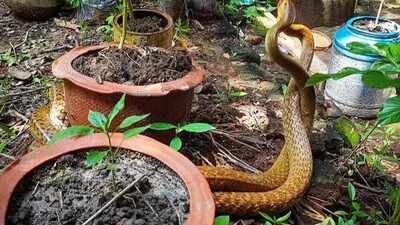
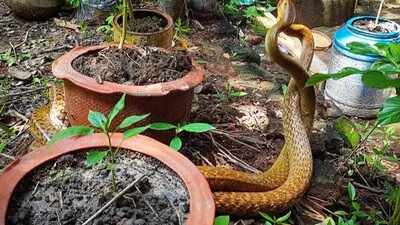
Most advice about keeping snakes away from home focuses on the obvious stuff, gaps under doors, open drains, piles of clutter. But a surprising number of snake encounters trace back to things that look completely harmless, even pleasant, sitting right in plain sight in an ordinary Indian garden or balcony. Nobody thinks of a bird feeder or a decorative rock arrangement as a genuine risk factor, which is exactly why these things quietly do more to invite snakes in than most of the usual suspects people are already on guard against. Here are six everyday features worth a second look.
Bird feeders and bird baths
Feeding birds feels like a purely wholesome hobby, but it comes with a hidden downside most people never connect to snakes at all. Spilled seed on the ground draws in rodents, and rodents are exactly what many snakes are hunting for in the first place, turning a well-meaning bird feeder into an unintentional dinner bell. There’s a second, even less obvious angle too: birds themselves, along with their eggs and chicks, are prey for certain snake species, especially when a nest is left briefly unattended. A birdbath adds a third draw on top of that, offering water that’s just as appealing to snakes as it is to the birds it was meant for.
Compost and vermicompost bins
Composting has become a genuinely popular habit in Indian homes, but an open compost heap is quietly one of the more attractive spots in a garden from a snake’s point of view. As organic matter breaks down, it generates real heat, and that warmth is something cold-blooded snakes actively seek out, particularly during cooler months. The decomposing material also draws insects and rodents looking for an easy meal, which in turn brings snakes hunting them. Switching to a sealed, solid-sided compost bin rather than an open pile keeps the process going without turning it into an open invitation.
Ornamental water features and low-lying puddles
A small fountain, a decorative pond, or even a saucer left sitting under a row of potted plants all serve the same basic function for a snake: a reliable water source. These spots often attract frogs and insects too, which for many snake species matters just as much as the water itself, since it means food and hydration are both available in one convenient place. It’s worth walking around the garden after a heavy rain specifically to check for low spots where water tends to pool and sit for days rather than draining away.
Rock gardens and decorative stone arrangements
Rustic touches like a rock garden, a stacked stone border, or ornamental logs add real character to a garden, but the same gaps and crevices that make them visually interesting also make them genuinely excellent hiding spots. Snakes are drawn to exactly this kind of structure since it offers shelter, shade, and protection from predators all in one place, often within a few feet of the house itself. None of this means giving up on the aesthetic entirely, just being thoughtful about placing these features farther from doors, windows, and walkways.
Rodents drawn in by everyday clutter
Snakes don’t usually show up looking for people, they show up looking for rodents, which makes anything that quietly attracts mice or rats a genuine risk factor on its own. Loosely stored grain sacks, pet food bowls left out overnight, stacked firewood, or even old cardboard boxes piled in a storeroom all give rodents exactly the food and shelter they’re after. Once a rodent population settles in nearby, snakes tend to follow, since a steady food source matters more to them than almost anything else. Keeping food sealed, storage areas tidy, and clutter off the floor goes a long way toward cutting this off at the source.
Dense, unmanaged creepers and ground cover
Money plant, ivy, and other thick, spreading climbers look lush and green, but left to grow unchecked, they create exactly the kind of shaded, uninterrupted cover snakes use as a travel corridor. A wall or fence densely covered in creepers effectively gives a snake a shielded path to move along without ever being out in the open, and thick ground-hugging vines serve the same purpose closer to the soil. Trimming these plants back periodically, especially where they run close to entry points or sit low along the ground, removes that cover without requiring you to give up the greenery altogether.
Small changes, real difference
None of these five features need to be removed entirely, that would mean giving up on birdwatching, composting, water features, and garden aesthetics all at once, which isn’t realistic for most households. The more practical approach is simply keeping each of them a bit further from the house, better maintained, and regularly checked, so the things that make a garden genuinely enjoyable don’t end up quietly working against you.Disclaimer:This article is intended for general informational purposes only and is not a substitute for professional wildlife or pest control advice. If you encounter a snake at home, avoid handling it yourself and contact a local wildlife rescue service or forest department for assistance. In case of a snakebite, seek emergency medical attention immediately.