








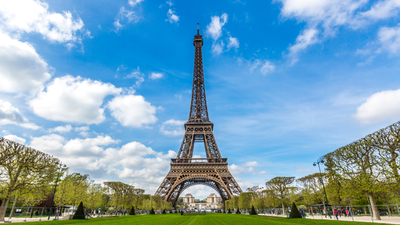
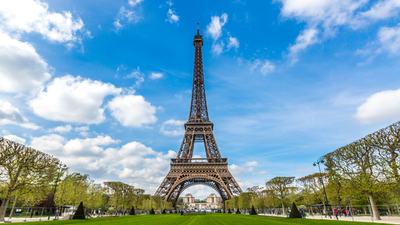
The Eiffel Tower looks as solid and unchanging as a monument can possibly be. Yet, on a hot summer day, Paris’ most famous landmark can actually become slightly taller.There is no new section being added, of course. The change comes from the iron itself. As temperatures rise, the metal expands, making the Tower gain a few millimetres in height. When the weather turns cold, it contracts again.It is a tiny change, invisible to tourists standing beneath the 330-metre landmark. But it is a fascinating reminder that even one of the world’s most recognisable structures is constantly responding to its surroundings.
The science begins with the Tower’s iron
The Eiffel Tower is made from puddled iron, a material that reacts to changes in temperature. When the sun heats the metal, the particles within it move more vigorously and the material expands.This is called thermal expansion.The same basic idea can be noticed in many metal objects, although the Eiffel Tower makes the phenomenon far more dramatic because of its enormous size. During warmer weather, its structure expands slightly in all directions, including upward.The Tower can gain only a few millimetres, but that is enough to make its height technically different from a cold winter day.
It does not simply stretch straight upward
There is an even more unusual part of the story. The sun does not heat all four sides of the Tower equally. One side receives direct sunlight while the others may remain relatively cooler. The warmer side expands more, creating a small imbalance in the structure.As a result, the Tower can lean slightly away from the sun. According to the official Eiffel Tower website, as the sun moves across the sky, the summit can trace a roughly circular curve with a diameter of about 15 centimetres during a sunny day.That sounds dramatic, but the movement is extremely small and poses no threat to the monument.
Winter reverses the change
When temperatures fall, the process works in reverse. The iron contracts, and the Tower can lose a few millimetres compared with its warmer state. These seasonal changes happen naturally as the metal responds to its environment.There is something almost poetic about this. A monument that has watched generations pass is not frozen in place. It expands in the summer, contracts in winter and shifts slightly as sunlight travels across Paris.Gustave Eiffel himself understood that the structure had to live with its environment. In discussing its preservation, he stressed the importance of careful maintenance and painting for protecting the metal.
The Tower has also genuinely grown over time
The weather-related height change should not be confused with the Tower’s permanent increases.When it opened in 1889, the structure stood about 312 metres high, including its original summit arrangement. Over the decades, radio and television antennas were added.The latest major increase came on March 15, 2022, when a new digital radio antenna added six metres, taking the Eiffel Tower to its current height of 330 metres.So, technically, the Eiffel Tower has two very different kinds of growth. Antennas have made it permanently taller, while heat makes its iron expand temporarily.Disclaimer: This article is intended for general knowledge and is based on information published by the official Eiffel Tower website.