










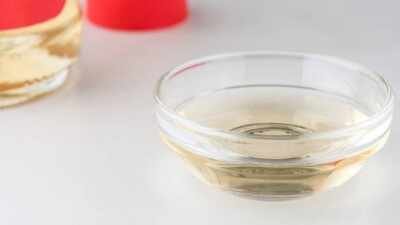
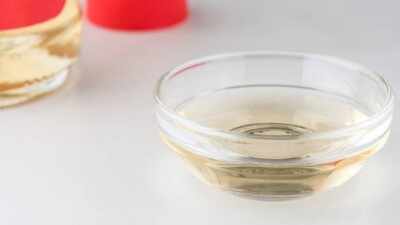
A bowl of plain white vinegar sitting quietly in the corner of a smelly room feels like exactly the kind of thing internet folklore invents and nobody actually tests. And yet this particular trick has genuine chemistry behind it, though not quite in the sweeping, cures-everything way it often gets described online. The honest version of the story is more specific and, in its own way, more interesting than the viral claim: vinegar works remarkably well against certain kinds of smells and does very little against others. Here’s what’s actually going on.
Why this works against some smells specifically
Most of the household odours people are desperate to get rid of, lingering cooking smells, pet accidents, and a fair amount of smoke- are chemically alkaline, or basic, in nature. Vinegar’s active ingredient, acetic acid, is genuinely capable of reacting directly with these alkaline odour molecules, and when an acid meets a base, the reaction converts both into a different, typically odourless compound. That’s a real chemical neutralisation, not simply one smell competing with and covering up another the way a scented spray would. It’s specifically why vinegar has long been used to lift fish smell off hands and cutting boards, the same acid-base reaction is at work there too.
Where it falls short
This is the part worth being honest about, since it’s exactly where the more enthusiastic claims about this trick tend to overreach. Vinegar’s neutralising effect works on odour molecules actually floating in the air, but it does very little for smells that have physically embedded themselves deep into porous materials like carpet, curtains, or upholstery, the kind of stubborn, ground-in smoke or pet smell that a single bowl simply can’t reach. It also won’t do much against an ongoing source of odour that keeps regenerating fresh smell, an unemptied bin or a mouldy corner will keep producing new odour molecules regardless of how much vinegar is sitting nearby, so the smell tends to return once the vinegar itself evaporates.
How to actually use it well
For the kind of fresh, airborne odours vinegar handles well, the method itself is genuinely simple. Fill a small bowl with about half an inch of plain white vinegar rather than a flavoured or apple cider variety, since white vinegar evaporates more cleanly without leaving behind its own lingering scent. Leave it uncovered somewhere central in the room, or closer to the actual source of the smell if you can identify one, and give it a few hours, or ideally overnight in a closed room, to do its work. The sharp vinegar smell itself is noticeable at first but fades as it evaporates, generally taking the odour it reacted with along with it.A few things worth knowing before you try itVinegar’s acidity, the very quality that makes it useful here, also means it isn’t harmless to every surface it sits near for long stretches. Prolonged exposure can dull or damage natural stone like marble or granite, and it can gradually corrode unsealed grout, window seals, and rubber gaskets on appliances, so it’s worth keeping the bowl away from these surfaces specifically. It’s also worth remembering that this trick is a genuinely useful supplement, not a substitute for actually addressing the source of a smell, opening windows, running an exhaust fan, and simply cleaning whatever’s causing the odour in the first place will always do more heavy lifting than a bowl on its own.Real science, with real limitsThe honest answer to whether this trick works is a genuine yes, but a specific one. Vinegar can chemically neutralise a real category of common household smells rather than just masking them, which is more than most viral kitchen tricks can claim. It just isn’t the universal fix it’s sometimes made out to be, and knowing which smells it’s actually suited for is what separates a useful household habit from a bowl of vinegar quietly doing nothing in the corner of a room.Disclaimer: This article is intended for general informational purposes only. Avoid prolonged vinegar exposure near natural stone, unsealed grout, or rubber and metal fittings, as it may cause damage over time. For persistent or severe odours, especially those linked to mould or water damage, address the underlying source directly.