










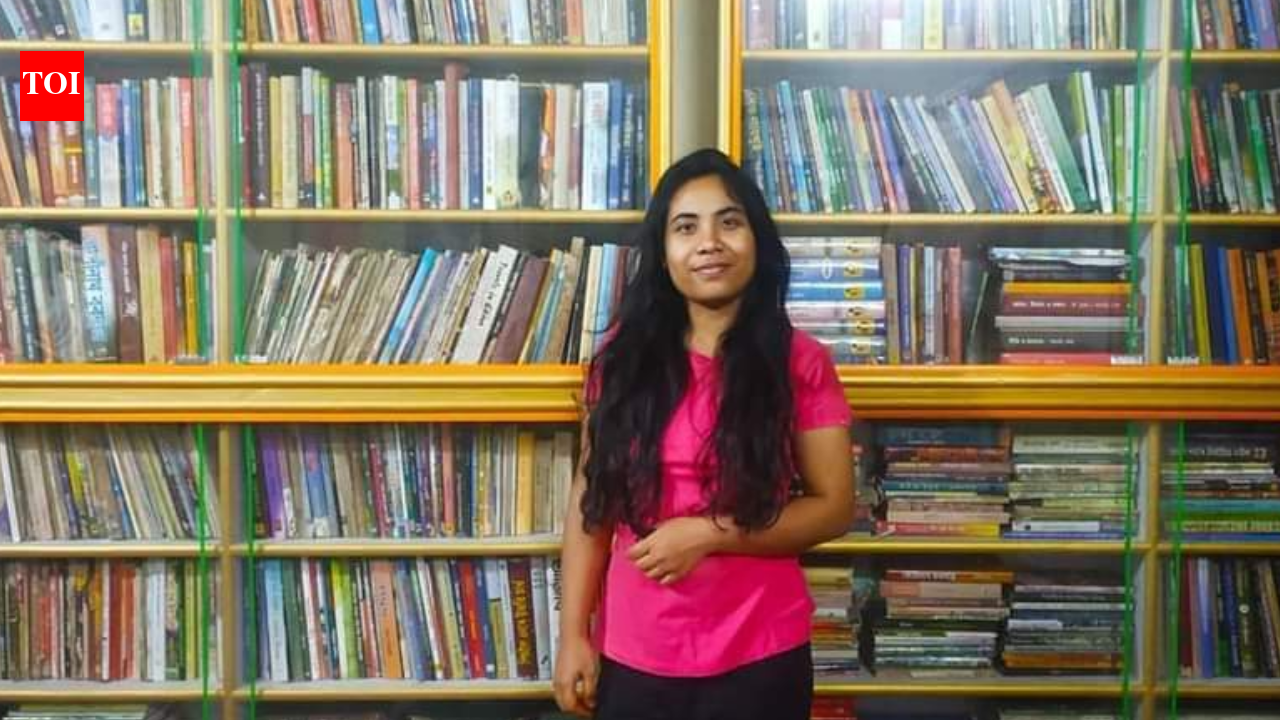
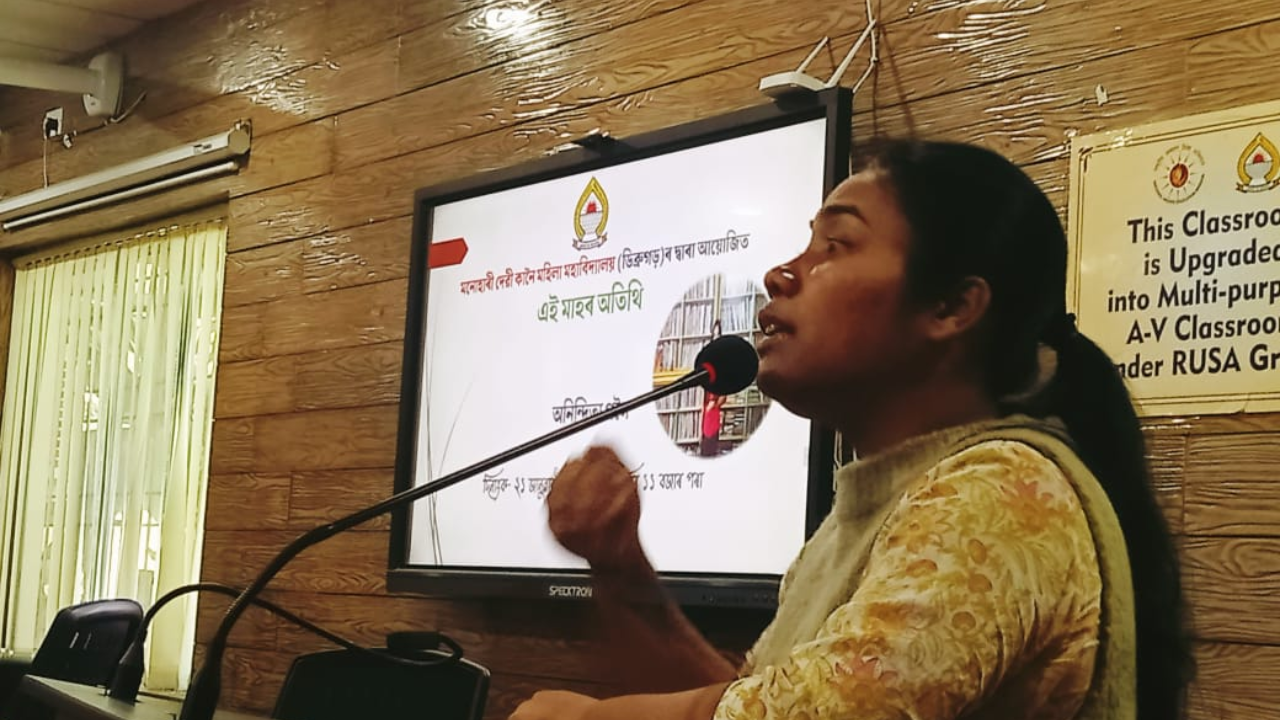
When Anindita Gogoi visited tea gardens in Assam’s Charaideo district in 2020, she was studying the health problems faced by tea workers and their families as part of her social work studies. But what stayed with her was the situation of the children. Many had never enrolled in school, while others had dropped out, often during their primary years. She found only four students preparing for their Class 10 board examinations.Gogoi decided to create a place where children could begin learning without the pressure of a formal classroom. She started a roadside library with just 100 books in her residential complex in Bhogbari village. Six years later, the initiative has grown into three libraries with around 10,000 books. Gogoi and her family have invested more than Rs 40 lakh in the project, which now draws between 90 and 100 children each day, as reported by The New Indian Express.The libraries serve children from tea-garden communities, including those who have never attended school and those who have left it. Alongside reading, the initiative uses art, craft, games and other activities to introduce children to subjects they might otherwise find difficult to access.
From a small roadside library to 10,000 books
The collection has grown to around 10,000 books, all bought by Gogoi with her own money.
According to an earlier report by The Sentinel Assam, The first library was called ‘Pothor Puthibhoral,’ or roadside library. It stood near the historic Nefa Aali road in Charaideo, with books kept in a small cabinet and a bench where people could sit and read. Its collection included books for children and adults, newspapers and periodicals.As more children began coming, Gogoi realised they needed a dedicated space. She went on to establish the Totto-chan Children’s Library and then the Totto-chan Community Library. All three now operate from her home under the registered Totto-chan Community Library NGO.The name Totto-chan came from the Japanese book ‘Totto-chan: The Little Girl at the Window,’ written by Tetsuko Kuroyanagi. According to the official website of Manohari Devi Kanoi Girls’ College, the book inspired Gogoi when she decided to set up a children’s library and work with underprivileged communities.The collection has grown to around 10,000 books, all bought by Gogoi with her own money. It also includes copies of Assamese magazines published since 1947, preserving a record of the state’s periodical literature.
How children learn through art, games and films
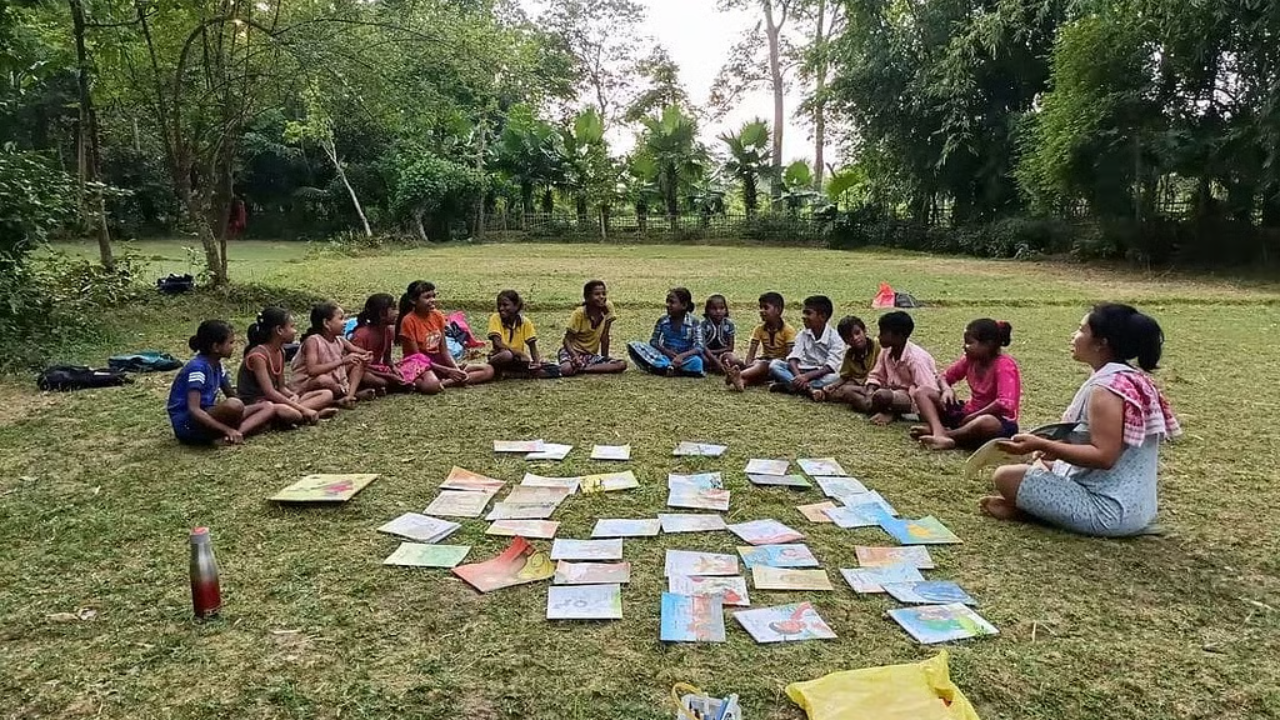
Photo credit: The New Indian Express
Gogoi’s libraries are not limited to lending books. Her team uses creative activities to help children learn history and geography. These include terracotta work, ‘mukha,’ Assam’s traditional handmade mask art: mandala designs, Warli folk art and Lippan art, which uses mud and mirrors.Puzzles and games are also used to teach academic subjects. The team screens films featuring familiar figures, including British comedian Rowan Atkinson, known for playing Mr Bean. When discussing British rule in India, it connects the character to England, helping children relate something they recognise to a history lesson. Students and teachers from higher and technical institutions also visit to conduct classes. The initiative has also taken learning outside the library. Gogoi’s team organised a book fair at Kanugaon Tea Estate.
Her family has invested more than Rs 40 lakh
The libraries have grown with financial support from Gogoi’s parents. According to The New Indian Express, the family has invested more than Rs 40 lakh in the project and borne the entire cost. Gogoi’s mother, a retired schoolteacher, contributed Rs 14 lakh from her retirement benefits. The money helped fund the construction of a separate library building. Her father, also a retired schoolteacher, has supported the initiative as well. The work also extends to children’s everyday needs. The NGO runs a cloth house, where used clothes collected from households are made available to children who need them.
Helping children enter or return to school
Gogoi’s work goes beyond encouraging children to read. Her NGO has helped a deaf and mute child enrol in school and assists children who have lost their parents in accessing monthly scholarships under a government scheme by helping them obtain the required documents.The team has also established an Education Volunteer centre at Lamichuk under the state education department’s Sarba Shiksha Abhiyan. Trained volunteers work with children who have never enrolled in school or have dropped out. Children attending the centre are enrolled in a nearby government primary school, according to The New Indian Express report.Gogoi and her team also speak with parents during book fairs and other activities, encouraging them to take a greater interest in their children’s education.
Why the work will take years
Gogoi does not expect the problem to be solved quickly. She has estimated that it could take another 10 years to get every child from a tea-worker family into school. She said the economic pressure on tea workers is a major reason children miss out on education. Parents working long hours to support their families may have little time to monitor their children’s schooling.