







In 1997, couple Sarah and Mark Tompkins set out to restore a part of South Africa’s Great Karoo that had lost much of its wildlife. Their effort eventually turned 11 former livestock farms into a 67,000-acre reserve, creating a large area where the land could recover and wildlife could return.The Great Karoo is a vast semi-desert region with open plains, mountains and relatively few people. According to Samara Reserve, it once supported large numbers of wildlife, including elephant, lion, black rhinoceros and wild dog. But hunting, farming and other human activity had gradually changed the landscape and reduced its biodiversity.Working with expert ecologists, Tompkinses brought together 11 farms covering five of South Africa’s nine vegetation biomes. They started with removing alien invasive plants, dismantling internal fences and allowed the property to rest for almost a decade. This was followed by a long-term programme to rehabilitate the land and reintroduce wildlife that had disappeared from the area.
Making way for wildlife
Wildlife could only return if the landscape could support it again. The Great Karoo had once been home to large herds of antelope, including springbok, eland and blesbok. Lions, cheetahs, black rhinos, leopards, wild dogs, hyenas and other wildlife also lived in the region.Over time, livestock farming replaced much of that wildlife, while fences divided the land and prevented animals from moving through their former ranges. The Tompkinses began reversing that process by removing the barriers and allowing the land to recover.As the habitat improved, Samara began bringing back species that had disappeared locally. The first major milestone came with the return of cheetahs to the Great Karoo after an absence of about 130 years.
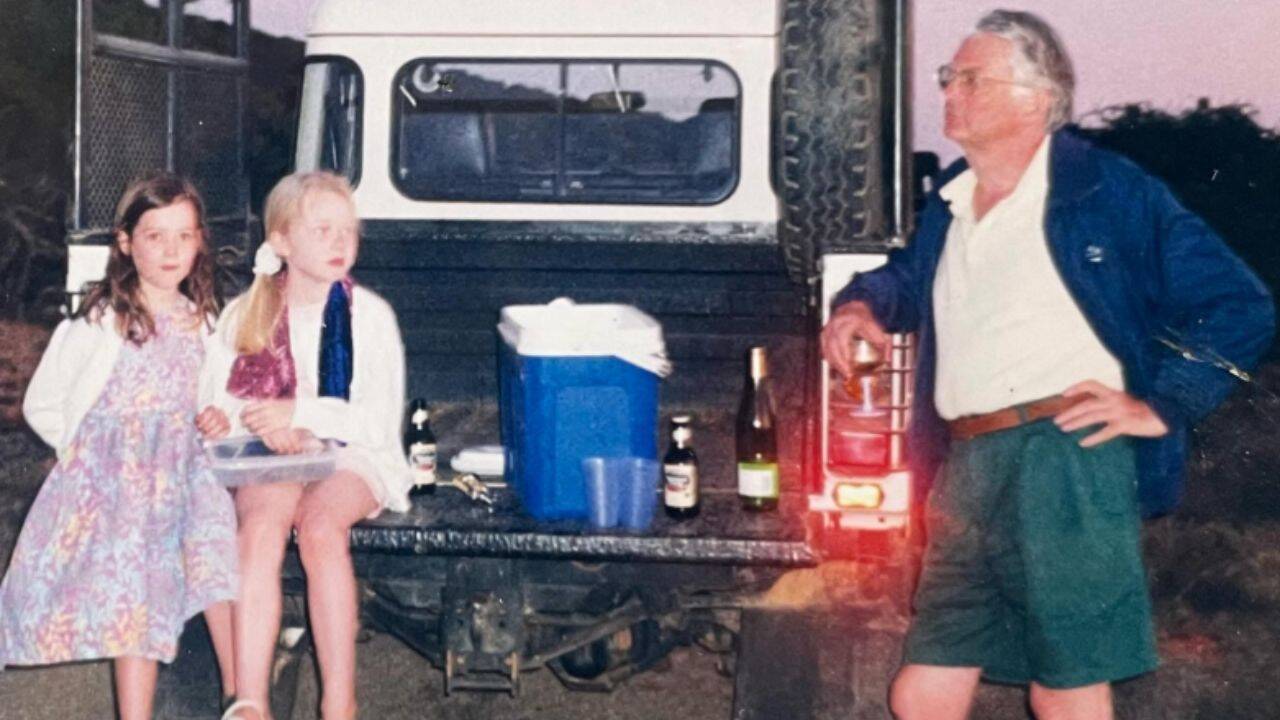
The Tompkins in the early years of Samara (Picture: Samara)
Return of Cheetahs
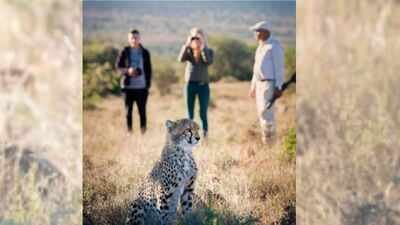
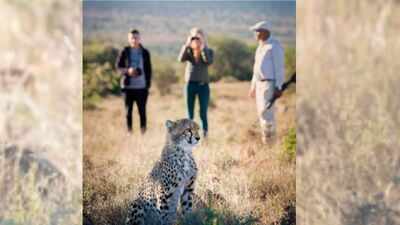
In 2004, Samara reintroduced its first wild cheetah, marking the return of the species to the Great Karoo after 130 years. Three cheetahs were initially released.According to Africa Geographic, one of them was Sibella, a young female that had been rescued after suffering abuse at the hands of hunters. She became an important part of Samara’s conservation story and went on to raise numerous cubs.The reserve later released other herbivores, including eland, red hartebeest, gemsbok, giraffe, white rhinoceros and buffalo. The return of prey animals was important as predators were being brought back. The aim was not simply to create a collection of animals, but to rebuild a functioning ecosystem in which different species could once again play their natural roles.The work continued over the following years. In 2013, Samara reintroduced the desert-adapted subspecies of the critically endangered black rhinoceros. Fewer than 5,000 black rhinos remain worldwide.Elephants followed in 2017, after an estimated absence of 150 years. A family herd was moved to Samara, followed by two mature bulls in 2018.
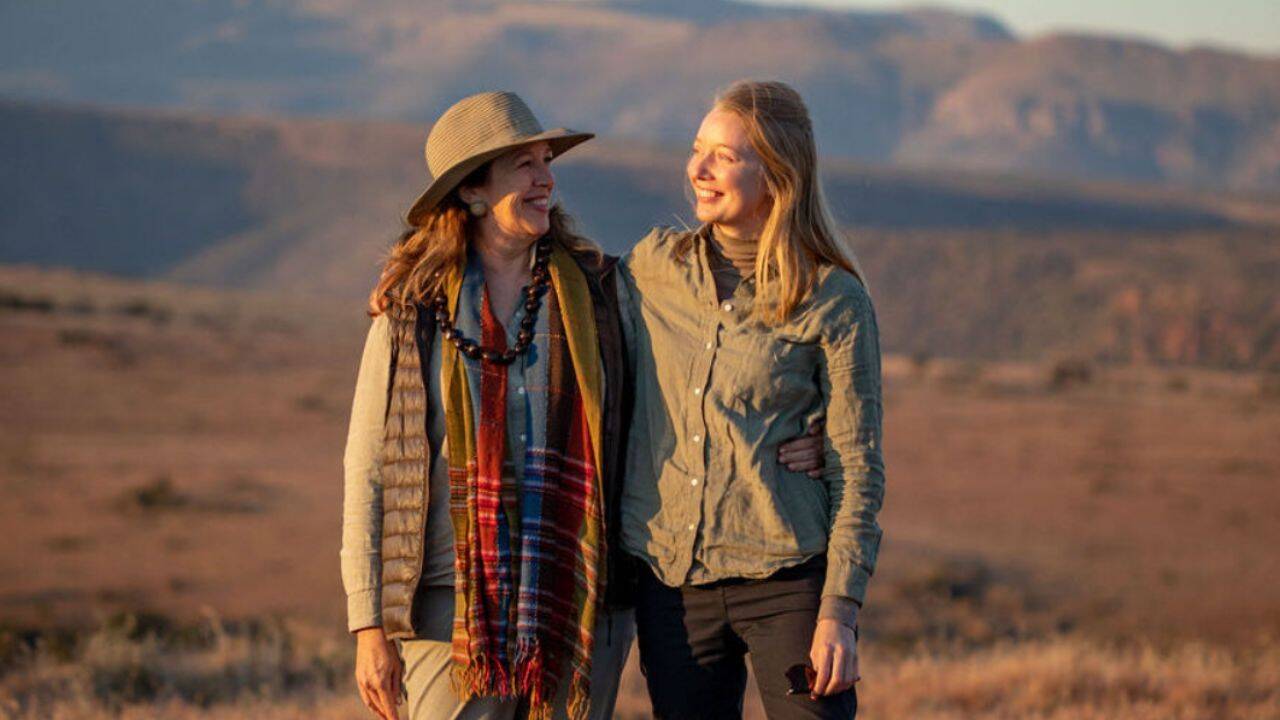
After Mark’s death, the Reserve was passed on to Sarah’s daughter Isabelle. (Samara photo)
Lions return
In 2019, lions were also reintroduced to Samara. The animals had been absent from the area for about 180 years.The return of lions was significant because they are apex predators. Their presence can affect how other animals use the landscape and how prey species interact with their surroundings.According to CNN, the first lions introduced to Samara were Titus and Sikelele, followed by another female, Sheba. The lions later produced cubs, marking the return of a breeding lion population to the reserve.The rewilding effort also led to something the Tompkinses did not have to plan themselves. In 2021, a leopard was seen at Samara for the first time. Later camera-trap monitoring and tracking confirmed repeated sightings.Today, Samara says more than 60 mammal species, including the Big Five, have been recorded on the reserve, along with 225 bird species. The reserve is also now home to large herds of antelope, while elephants and rhinoceroses move across the landscape.Samara has developed into a destination for tourists wanting to experience the rewilded landscape. The reserve now offers guided safaris and walking experiences that allow visitors to see animals.The family’s long-term plan is also larger than the reserve itself. Samara hopes to help create an ecological corridor connecting three national parks and allowing wildlife to move between protected areas.