










A senior technology executive has won a $2.75 million damages award (approximately £2.1 million) after a US appeals court upheld a ruling against a woman who publicly accused him of assault after accepting money in a confidential settlement. The case of Michael Fitzgerald, et al v. Ronda McNae was decided on November 10, 2026. The ruling highlights the legal consequences of breaking confidentiality agreements, particularly when a court finds that someone deliberately breached the terms and caused harm to another person’s career and reputation. According to the opinion published by the United States Court of Appeals for the Eleventh Circuit, the dispute began with a confidential settlement agreement. Under the deal, Michael Fitzgerald, a technology executive, paid Ronda McNae $97,000 (approximately £79,000) to settle earlier disputes. Both sides also agreed to keep the agreement and its details private.
Confidentiality agreement breached
Despite accepting the payment, McNae later began sharing information that the court found violated the agreement. The Eleventh Circuit’s ruling explained that McNae contacted Fitzgerald’s employers and other professional contacts. She also made serious accusations against him, including claims of rape and sexual assault. McNae also posted the accusations on social media and other public websites. Fitzgerald and a second plaintiff, Yelany de Varona, argued that her actions were intended to damage his career, reputation and ability to earn a living. They said these actions directly broke the promises McNae had made in the settlement agreement. According to the court records, Fitzgerald filed a lawsuit against McNae in the US District Court for the Southern District of Florida. He sought compensation for the financial and personal harm caused by the alleged breaches.
Lower court finds for executive
The lower court initially ruled in Fitzgerald’s favour. It found that McNae had broken the clear and legally binding terms of the confidential settlement agreement. The district court granted summary judgment to Fitzgerald on his breach-of-contract claim. It found that a valid agreement existed, that McNae had seriously violated its terms and that Fitzgerald was entitled to damages. The court then held a separate trial to decide how much compensation he should receive. It awarded Fitzgerald a total of $2,746,703.27 in economic and non-economic damages. The ruling did not uphold separate claims for defamation or intentional infliction of emotional distress. These claims had been dismissed earlier in the case.
Breakdown of massive damages award
The damages upheld by the appeals court included both financial losses and compensation for harm to Fitzgerald’s reputation. The total award was $2,746,703.27, rather than a punitive damages award. The Eleventh Circuit’s opinion explained that Fitzgerald received $2 million in non-economic damages because of the damage to his professional reputation. The lower court found clear evidence that he had built a strong reputation and performed well at SoftwareONE before McNae broke the agreement. The court also found that McNae deliberately broke the agreement to damage his reputation. It estimated that Fitzgerald would need five to six years to rebuild his professional standing and would lose $2 million in salary and bonuses during that period. The remaining $746,703.27 covered economic losses. This included the original $97,000 settlement payment, $274,453.27 in long-term incentives, $219,300 in lost bonuses and $155,950 in lost performance share units. The court also considered evidence that Fitzgerald had earned £550,000 a year before the dispute. He had been expected to become the CEO of a new company, but following the breach, he was placed on paid leave and could no longer work or communicate with colleagues, customers and business partners.
Appeals court reaffirms decision
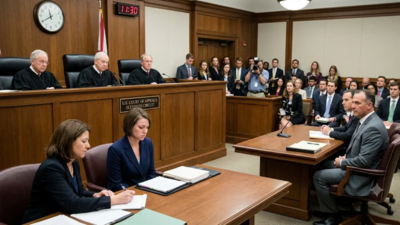
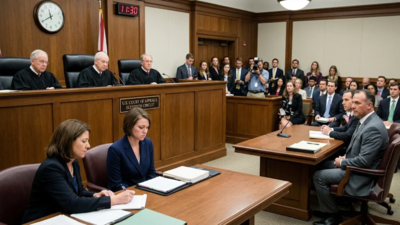
In her appeal to the Eleventh Circuit, Ronda McNae asked the court to overturn or reduce the multi-million-dollar award. Her legal team argued that the amount was excessive and that the lower court had made errors when deciding the case. However, the three-judge appeals panel rejected her arguments and upheld the lower court’s decision. The Eleventh Circuit found no clear error in the damages calculation and concluded that the evidence supported the amount awarded to Fitzgerald. The panel noted that the lower court had carefully considered the financial and professional harm caused by McNae’s actions. It also reviewed evidence from expert witness Sheri Fiske, who calculated that the agreement breaches had caused $472,250 in economic losses. Documents from Fitzgerald’s employer also supported the evidence presented during the trial. The appeals court concluded that the district court had properly calculated both the economic and non-economic damages. It found no reason to overturn the $2,746,703.27 judgment. The decision, dated November 10, 2026, leaves the full damages award in place and confirms that Fitzgerald is entitled to the compensation ordered by the lower court.