








A painting is never merely a record of truth, but a subject of representation and reimagination. And artworks specially prepared while recording the British colonial period in India are not merely art, but a glimpse into an India that exists today only in a few inches of frame. This is particularly true of artworks created in India during the 18th and 19th centuries, when British colonial expansion was changing the political and cultural landscape of the subcontinent. According to the Art Newspaper and a press release attributed to Tate, a collection of 50 such works has now found a permanent home at Tate in London, following a donation by British art historian Charles Greig, who spent over 4 decades bringing them together.The collection includes paintings, watercolours and miniatures by Indian and European artists who lived and worked in India. The works offer different perspectives on the period, from portraits of Indian figures to landscapes that record places during a time of considerable change. A free public display featuring works from the collection is planned at Tate Britain in 2028, giving visitors an opportunity to explore a part of art history shaped by the relationship between Britain and India.
A collection built over four decades
Greig assembled the collection over approximately 45 years, developing an interest in the ways artists represented India and how the people of the pivoting colonial period was preserved in art. His decision to donate the works to Tate reflects his belief that a collection built through years of research should be accessible to the public rather than remain in private hands.Through myriad textures, strokes and frames, the paintings coalesce names that must be familiar to students of art history and others whose contributions have been widely recorded and recognised. Among the artists represented are Indian painters Sita Ram and Ghulam Ali Khan, alongside European artists Johan Zoffany and Rudolf Swoboda, with the British landscape painters Thomas Daniell and William Daniell also featured in the collection.
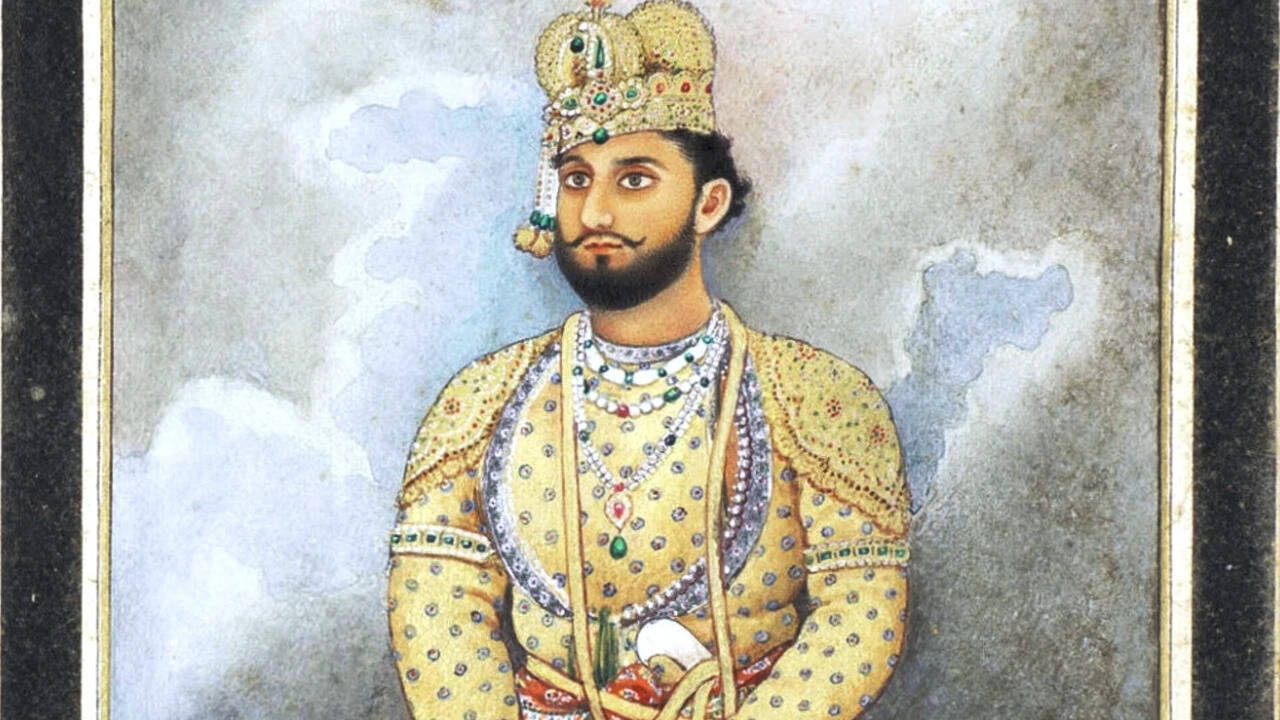
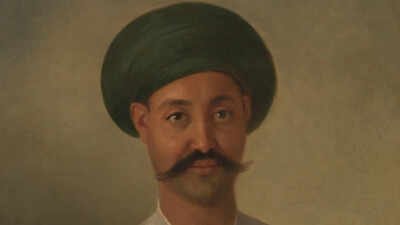
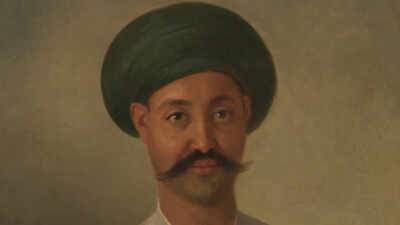
Ghulam Ali Khan (Image credit: Wikimedia Commons)
The donation includes three watercolours by Sita Ram, an Indian artist who worked for British patrons during the early 19th century. His paintings are associated with the tradition known as Company painting, which developed as Indian artists responded to demand from officials and other patrons connected with the British East India Company. Among the other notable works is Johan Zoffany’s Portrait of Prince Jawan Bakht, painted in 1784. The portrait illustrates an Indian royal figure through the work of a European artist at a time when the balance of power was changing in the subcontinent.Another fascinating work, is Rudolf Swoboda’s painting of a sepoy in HH Maharaja Srinagar’s IndianRegiment, painted around 1886. The work has come to form part of the collection’s record of people who lived under British rule and provides a visual point of reference for understanding the period’s military and social structures.
What the paintings reveal about colonial India
The historical value of the collection lies not only in the artists who created the works but also in the different perspectives they bring together. Some paintings were produced by European artists working in India, while others were made by Indian artists responding to new forms of patronage. Together, they offer a way to examine how people, landscapes and cultural practices were represented during a period shaped by colonial power. But at the same time, the collection makes room for Indian artists whose work developed within these changing circumstances. Their presence is important to a fuller understanding of the period, as the history of art in colonial India cannot be told solely through the experiences of European painters who travelled to the subcontinent.Greig has described the works as a visual record of a world that existed before photography became widely established. Their depictions of people and places can help researchers and visitors engage with historical settings through the details preserved on canvas and paper.
A new chapter for the collection
The donation also expands Tate’s holdings of art connected with Anglo-Indian history. The institution already has works associated with this period, including Zoffany’s Colonel Mordaunt’s Cock Match, painted around 1784, as well as Indian landscapes by British artists. Greig’s collection adds to this material, allowing the museum to present a broader account of the artistic relationships that developed between Britain and the Indian subcontinent.
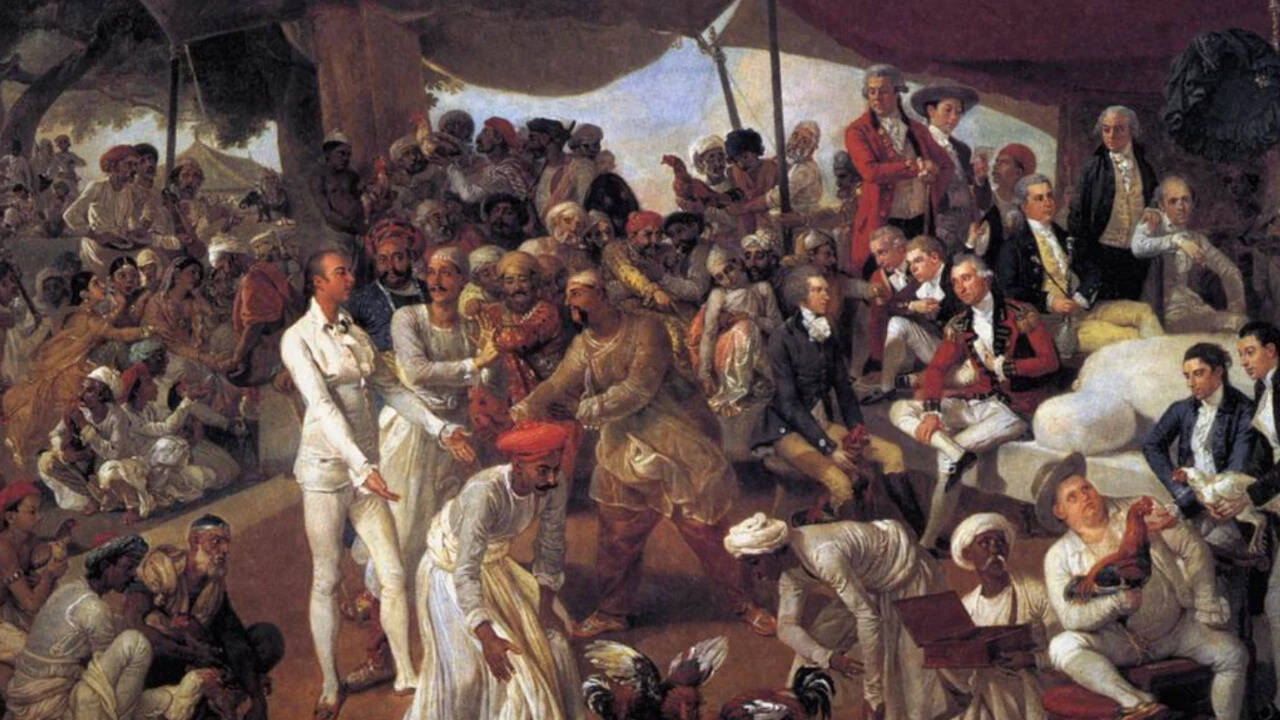
Zoffany’s ‘Colonel Mordaunt’s Cock Match’ (Image credit: Wikimedia Commons)
For Greig, the decision to donate the works was closely tied to the question of who should be able to see and study them. He has described himself as a temporary steward of the collection, emphasising the importance of preserving the artworks together and making them available beyond a private audience.When the works go on display at Tate Britain in 2028, visitors will be able to encounter these paintings within a public museum setting, where their artistic qualities can be considered alongside the histories that shaped their creation. The display will also provide an opportunity to look beyond familiar accounts of colonial India and consider the artists, patrons and subjects whose lives intersected during this period.For a collection assembled over decades, its move into a public institution heralds a significant change in how the art that encompassed a significant period of British raj can now be explored. These paintings, now being integrated in a collection, are writing a historical record that can be explored for years to come by people from all over the world, as the history of British India, its people and its faces are preserved in paint