









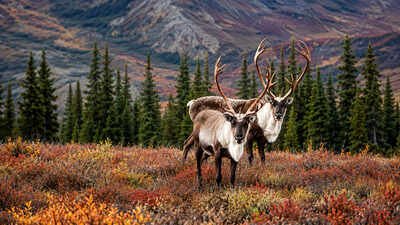
From above, Alaska’s tundra can look like an ordinary expanse of soil, moss and low vegetation. Beneath that surface, however, lies permafrost, ground that has remained frozen for long periods and contains vast quantities of ancient organic material. As temperatures rise, that frozen material can thaw and begin decomposing, releasing carbon dioxide and methane into the atmosphere. In a 2015 analysis, researchers from the University of Cambridge and the University of Colorado modelled the economic consequences of those additional emissions and estimated that they could cause $43 trillion in extra global economic damage by 2200 under the study’s A1B emissions scenario. The figure was not a prediction that a $43 trillion bill would suddenly appear, but an estimate of the additional economic impacts associated with greenhouse gases released from thawing Arctic permafrost. The researchers found that these emissions could increase the previously estimated total economic damage from climate change by about 13%, making the frozen Arctic landscape an unexpectedly important part of the global climate and economic equation.
Alaska’s permafrost holds ancient carbon; why this thaw could cost $43 trillion
Permafrost is not simply a layer of ice beneath the ground. It contains frozen organic matter accumulated over thousands of years, including plant and animal material that has been preserved because low temperatures have slowed its decomposition. The Cambridge analysis estimated that around 1,700 gigatonnes of carbon were held in Arctic permafrost soils as frozen organic matter. As long as that material remains frozen, much of its carbon stays locked away. When permafrost thaws, microorganisms can begin breaking down the previously frozen organic material, allowing carbon to return to the atmosphere as greenhouse gases. The researchers focused specifically on the additional carbon dioxide and methane that could be released through this process and modelled how those emissions could amplify climate-related economic damage. This creates a feedback mechanism with global consequences: warming can accelerate permafrost thaw, thaw can release greenhouse gases, and those additional gases can contribute to further warming.
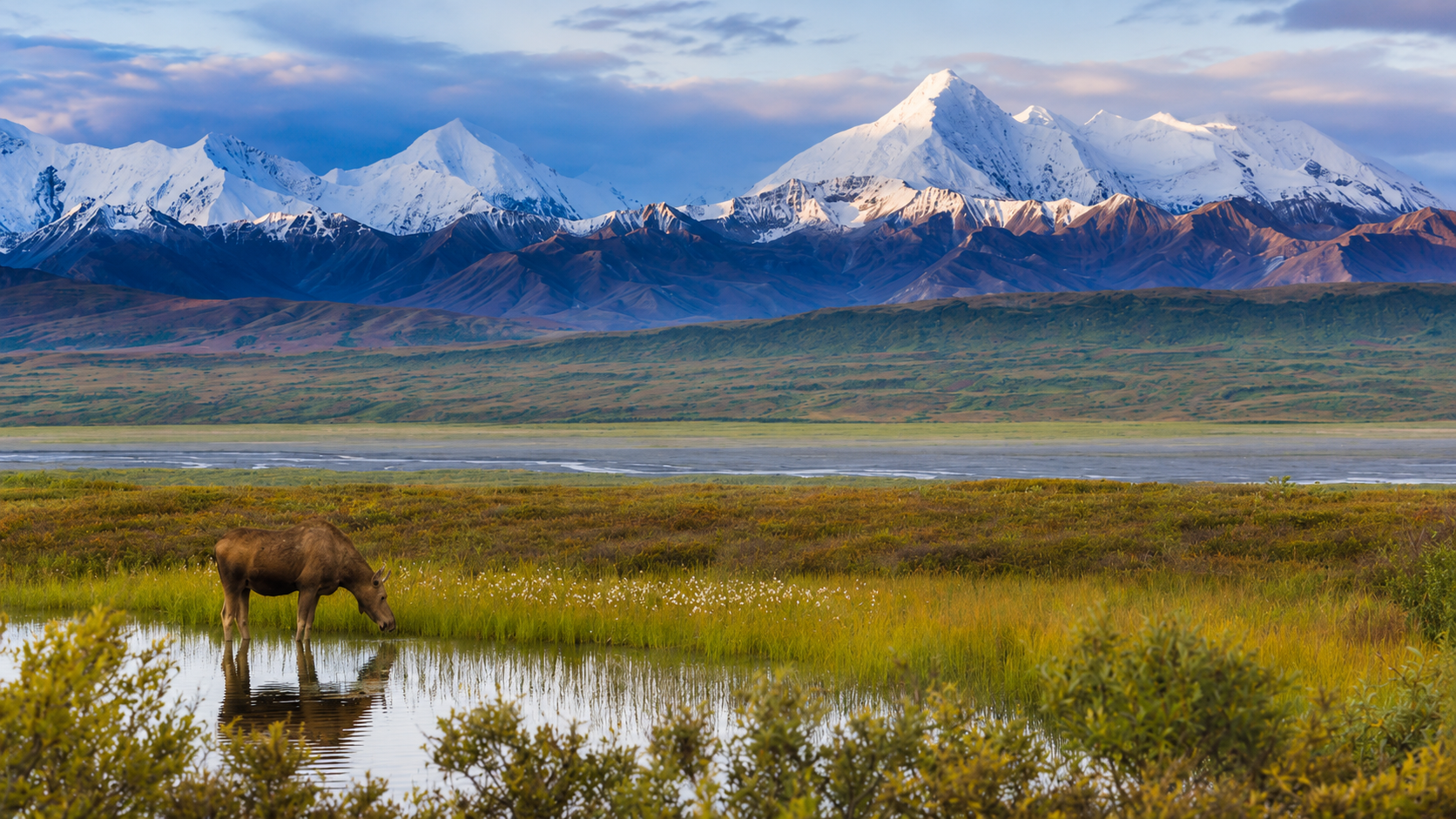
Alaska’s permafrost holds ancient carbon; why this thaw could cost $43 trillion (Image: AI-generated)
How scientists arrived at a $43 trillion economic cost
The $43 trillion estimate came from linking physical climate processes with an economic model rather than placing a direct monetary value on the frozen ground itself. Researchers Chris Hope of Cambridge Judge Business School and Kevin Schaefer of the National Snow and Ice Data Center at the University of Colorado in ‘Economic impacts of carbon dioxide and methane released from thawing permafrost’ used the PAGE09 integrated assessment model to estimate the additional economic effects of permafrost-related emissions. Under the study’s A1B scenario, the additional emissions increased the estimated net present value of climate-change impacts from $326 trillion to $369 trillion by 2200, an increase of about 13%. The researchers estimated that roughly $33 trillion of the additional damage came from carbon dioxide, about $8 trillion from methane, with the remainder arising from interactions between the two gases. The researchers also stressed the uncertainty involved. The study gave a 5-95% range of roughly $3 trillion to $166 trillion for the additional impacts, demonstrating how strongly the result depends on assumptions about emissions, climate responses and economic damages.
The damage would extend far beyond the Arctic
The consequences modelled by the researchers were not restricted to Alaska or other Arctic regions. Additional greenhouse gases entering the atmosphere could increase global warming and contribute to economic losses in many parts of the world. The University of Cambridge explained that the potential impacts included reduced agricultural output, higher costs associated with cooling, effects on human health and damage to ecosystems. The researchers also warned that additional warming could increase the likelihood of severe events such as greater flooding, extreme weather and further ice-sheet loss. That is what makes permafrost particularly important. The carbon is stored in a remote region, but once released into the atmosphere, its climatic effects are not confined to the landscape where the thaw occurred. Cambridge researcher Chris Hope argued that the findings showed the need for urgent action to slow permafrost melting and reduce the scale of greenhouse-gas release. The researchers estimated that an aggressive emissions-reduction strategy could reduce the economic impact by as much as $37 trillion compared with the scenario they modelled.
The frozen ground is becoming part of the climate problem scientists cannot ignore
The original $43 trillion study was published in 2015, so the figure should be understood as the result of a specific modelling exercise rather than a current estimate of the eventual cost of permafrost thaw. Since then, research has continued to show why the carbon stored in northern permafrost matters for the climate system. A later scientific assessment published in Global Sustainability highlighted evidence that abrupt permafrost thaw can expose substantially more carbon than models that consider only gradual thawing. Such abrupt processes can also shift ecosystems towards conditions that favour stronger greenhouse-gas emissions, particularly methane. The underlying message of the Cambridge research remains striking: the tundra’s frozen ground is not an inert layer beneath the landscape. It is a vast carbon store, and how much of that carbon remains frozen can influence both the climate and the economic costs of warming.