









Ancient marine reptiles may have swum to shore to vomit, with Jurassic fossils offering a unique glimpse into behaviour that has parallels in living seals and marine crocodiles. More than 20 fossilised masses found in rock cores beneath the North Sea contain tightly packed remains of shellfish and other hard marine material. Palaeontologist Dirk Knaust believes the material represents regurgitated food from long-necked plesiosaurs that once hunted in the Jurassic seas. The finding offers a rare opportunity to study not just what these reptiles ate, but what they did afterwards.
Jurassic marine reptiles came to vomit near shore
The fossils were recovered from deposits that once formed shallow river deltas about 50 kilometres off the coast of what is now Norway. According to EurekAlert, the material came from Middle to Upper Jurassic shallow and marginal marine deposits on the Horda Platform. The area looked very different during the Jurassic, when the North Sea region contained a mixture of marine waters, river deltas and coastal environments.Knaust had spent decades examining drill cores from beneath the North Sea, looking mainly at traces left by ancient invertebrates. During that work, he encountered more than 20 unusual fossilised clumps. Popular Science reports that some were as large as mangoes and were packed with shellfish fragments rather than bones. Their contents included bivalves, cephalopods and tubular worms.The location of those remains became an important clue. The animals represented inside the clumps had lived in saltier open marine waters rather than the river delta where their remains were eventually preserved. That suggested the material had been transported from the open sea before reaching the delta deposits.
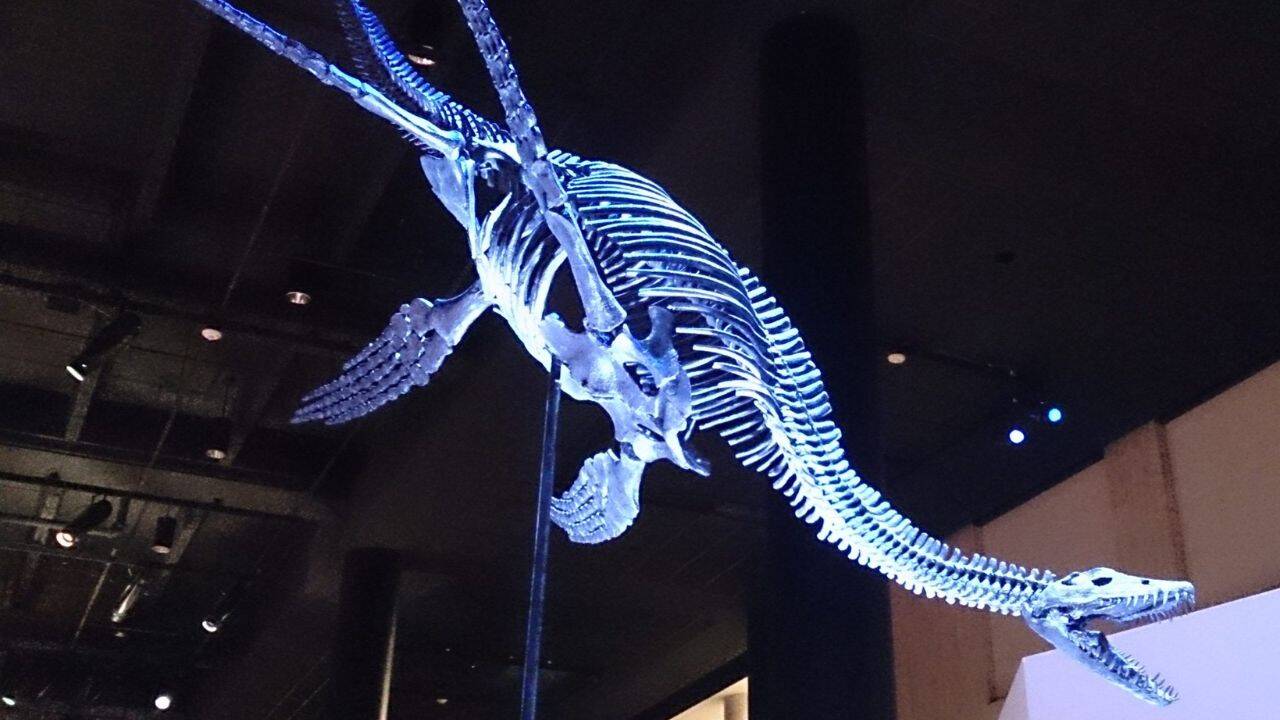
Plesiosaur skeleton. Image Credit: Wikimedia Commons.
What do the strange fossil pellets contain
The clumps appear to contain the hard parts of several marine animals. The research described by EurekAlert identifies shells and other indigestible elements from plesiosaur meals, while Popular Science notes that the North Sea material contained bivalves, cephalopods and tubular worms.That mixture matters because plesiosaurs are thought to have fed on animals living on the seafloor. Their long necks allowed them to angle their heads downwards and collect prey from below. According to EurekAlert, previous research into their anatomy and movement suggests they could gather shellfish from the seabed, but their teeth were not suited to crushing shells and other hard skeletal material.Instead, the tougher remains could have accumulated in the stomach before being expelled as compact pellets. The process has a modern comparison in owls, which swallow prey and later regurgitate bones, fur and other parts they cannot digest. Popular Science explains that the fossilised material is therefore comparable to owl pellets, although the Jurassic pellets consisted largely of marine remains.
Why does the evidence point to plesiosaurs
Identifying the animal responsible was not straightforward. The fossilised clumps contain no obvious feature such as a tooth that could directly identify their producer. Other marine predators also lived in Jurassic seas and could potentially have consumed hard-shelled prey.Popular Science reports that Knaust considered several possibilities, including dolphin-like ichthyosaurs and ancient crocodiles. The nearby remains included an ichthyosaur bone and coprolites, but their composition, size and feeding habits did not fit the fossilised material as well. Knaust ultimately considered a plesiosaur the strongest match for the pellets.EurekAlert identifies the likely animals more specifically as cryptoclidid plesiosaurs. These long-necked marine reptiles survived for more than 140 million years, from the Middle Jurassic into the Early Cretaceous. They grew to roughly four to eight metres long and were among the successful marine reptiles of their time.The fossil evidence also provides a reason to suspect that they had travelled towards the coast after feeding farther offshore. The shellfish represented in the pellets came from environments that were saltier than the ancient river delta where the pellets were preserved.
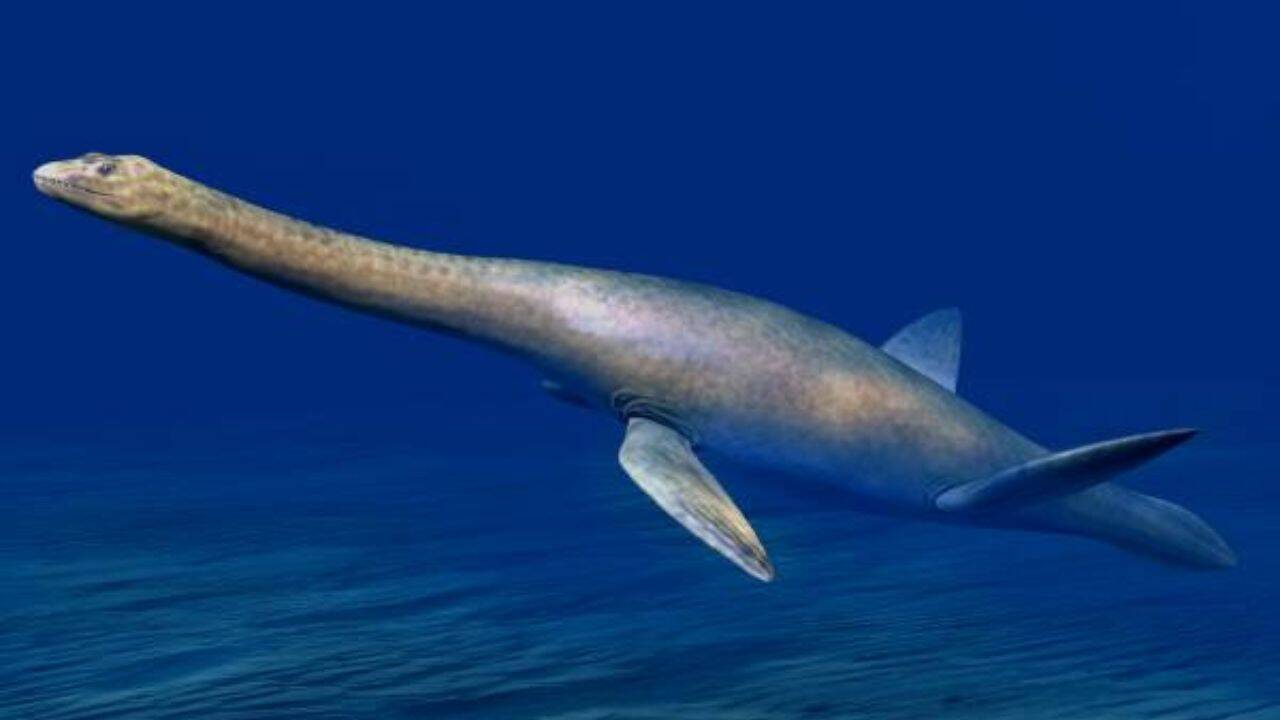
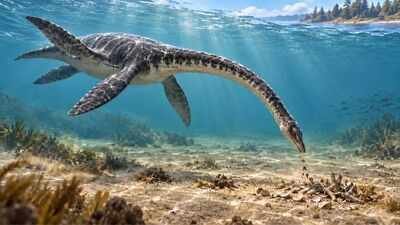
Live reconstruction of a cryptoclidid. Image Credit: Wikimedia Commons
Seals and crocodiles can reveal much about the behaviour
The proposed behaviour has a striking modern parallel. Today, fur seals and marine crocodiles can also regurgitate indigestible material after feeding. Both are known to move onto land before doing so, according to Popular Science.Plesiosaurs probably could not have copied that behaviour exactly. Their large bodies and anatomy suggest they remained in the water rather than hauling themselves onto land. Knaust instead proposes that they may have moved towards shore after hunting, perhaps to rest or sleep, and regurgitated their indigestible meal remains while still submerged. EurekAlert notes that the same kind of behaviour could have occurred around ancient coastlines, including areas that are now part of Britain.The discovery shows why traces of animal behaviour can sometimes be as informative as bones. Skeletons can reveal an animal’s size and anatomy, but fossilised digestive remains can preserve evidence of what it consumed and how it processed its food.