










Why is it surprising?
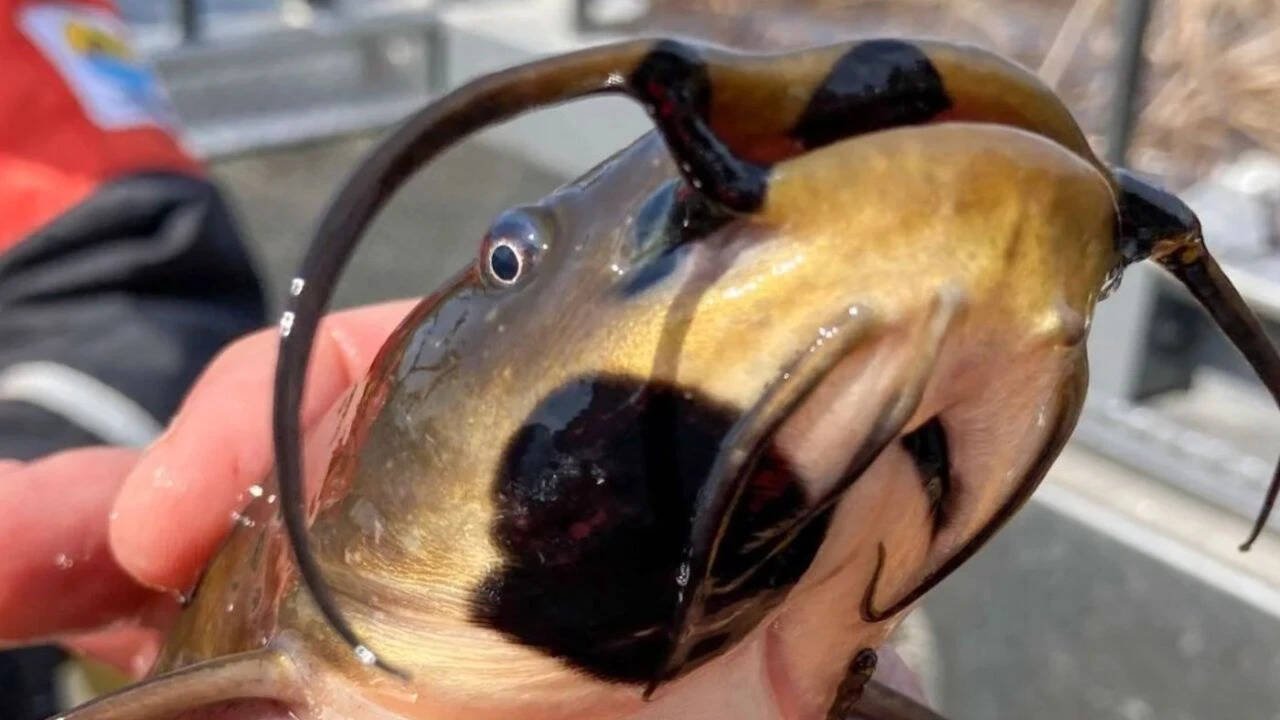
Since 2012, anglers and biologists have reported a striking increase in brown bullhead catfish with raised black skin patches in a cross-border lake shared by Vermont and Quebec. By 2014, nearly one in three fish showed the dark lesions.“At first, we thought this disease might be a virus, but that wasn’t panning out,” said Julie Dragon, a scientist at the University of Vermont and co-leader of the new study. Since, brown bullheads are considered indicators of environmental quality, researchers suspected a contaminant or pathogen linked to pollution.But the lesions turned out to be melanoma, a skin cancer. Using whole-genome sequencing, the team compared DNA from tumours and healthy tissues in affected fish. They found that the cancer cells were much more closely related to each other than to their host fish—the signature of a clonally transmissible cancer, in which tumour cells themselves act as infectious agents.Transmissible cancers need living cancer cells to move from one body to another and then take hold in their new host. While this sounds simple, biologically, the process is extremely tricky.A healthy immune system is a formidable defence, constantly hunting down and destroying anything that isn’t its own self. Cancer cells from another animal look foreign to the immune system, even if they come from the same species. Thus, they are wiped out by the system.Genetics also come into play. Most animals, including humans, have huge genetic variation even within their own species, thus cancer cells from one individual are usually too different to survive in another body of the same species. Moreover, cells in themselves are extremely fragile. Even when cancer cells do escape the body, they usually die before they reach a new one. That’s why transmissible cancers tend to need a direct route between hosts: injection of cells in Tasmanian devils, close contact between membranes in dogs, or a survivable medium like seawater in shellfish.The researchers believe that possibly, spawning behaviour leads to the spreading of the cancer between the animals. During spawning, bullhead cluster tightly in shallow water, allowing physical contact that could transmit tumour cells. Since they are bottom-dwelling fish, they also interact closely with sediment, which might harbour free-floating cancer cells. Naturally occurring arsenic may also have a role.
Ecological impacts cause concern
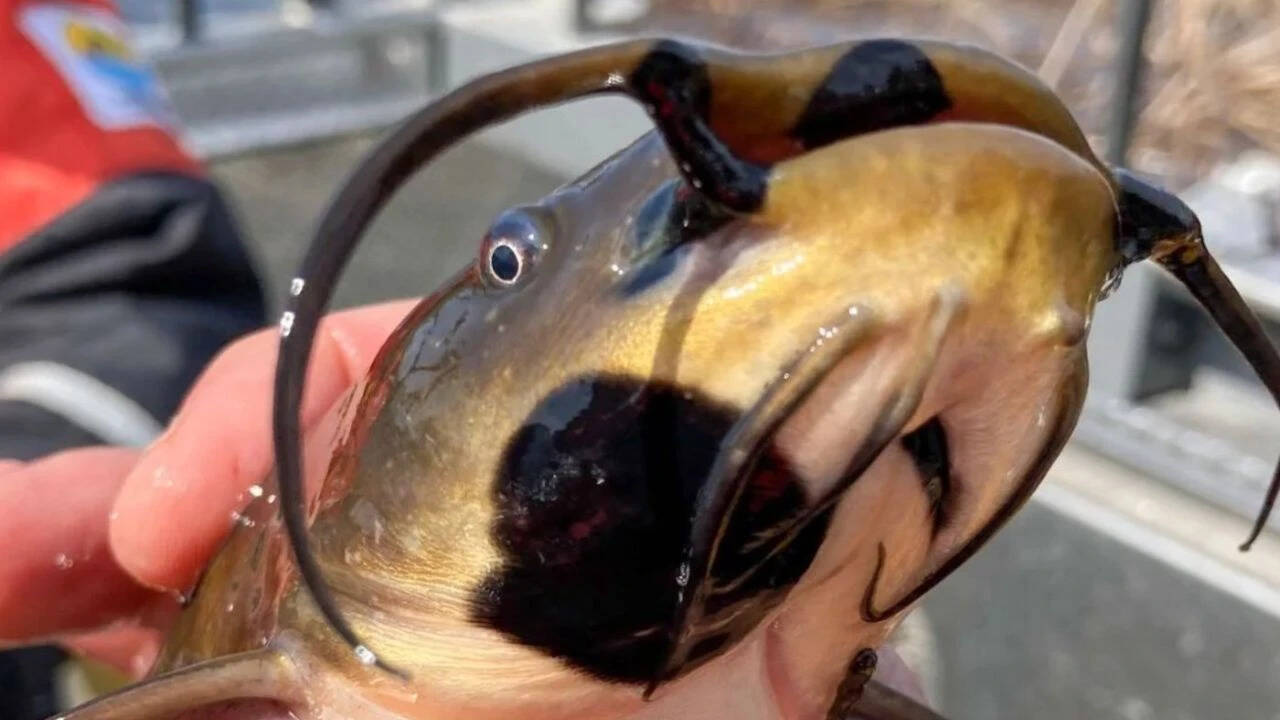
By 2014, nearly one in three fish showed the dark lesions.
While some transmissible cancers are devastating, with the Tasmanian devil one wiping out 90% of some populations, others like dog tumours can coexist for thousands of years. In Lake Memphremagog, heavily diseased bullhead can survive for years, but long-term population effects are still unknown.The lake provides drinking water for more than 175,000 people but researchers emphasise that the disease poses no known risk to humans. The team expanded their sampling to other waters in Vermont, New Hampshire, Maine and New Brunswick and found the cancer in “a few other ponds and lakes in this region,” said Peter Emerson, a biologist for the State of Vermont and co-leader on the new study. Scientists are currently exploring ponds and rivers in Massachusetts to learn more about the distribution of the cancer and to see if it may have originated there.
Humans don’t have transmissible cancers
There is no evidence of a naturally occurring, independently spreading cancer in humans. A true transmissible cancer is one where cancer cells break away from their original host, become an independent lineage, spread between people and then persist and evolve as a self-sustaining clone in their own right.In humans, there are some rare cases that can look similar but are not. For instance, cancer cells present in a transplanted organ, cancer passed from mother to baby before birth, a lab worker accidentally infected by a needle or cancers caused by viruses such as human papillomavirus (HPV). These are one-off transfers, not a cancer with an independent life of its own.