









There can be a striking sense of rhythm in a place where sunlight never reaches and the only changes in the surroundings are brought about by the movement of the ocean. For a species of deep-sea mussel living nearly 1,700 metres under the Atlantic Ocean, this is part of their everyday life. Inhabiting an environment that appears to have little connection with the daily rhythms experienced by animals on the surface, these mussels reportedly have an internal biological clock of their own.On November 2, the University of Vienna issued a press release about research conducted in collaboration with its partner institutions: IFREMER in France, the University of Oldenburg and the AWI in Germany. Scientists have now discovered that cells taken from these deep-sea mussels can maintain a 24-hour rhythm even when kept under constant laboratory conditions. The finding is particularly interesting because the animals’ natural environment is largely influenced by the tides, which follow a cycle of approximately 12.4 hours.The study, published in thejournal EMBO Reports, also notes an important technical achievement: researchers successfully established cell cultures from a deep-sea mussel and managed to maintain them in laboratory conditions for more than three years.
Life in a world without sunlight
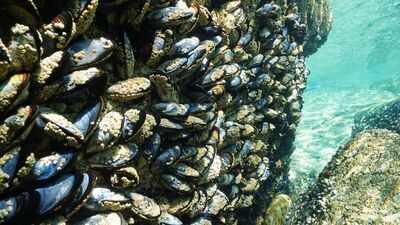
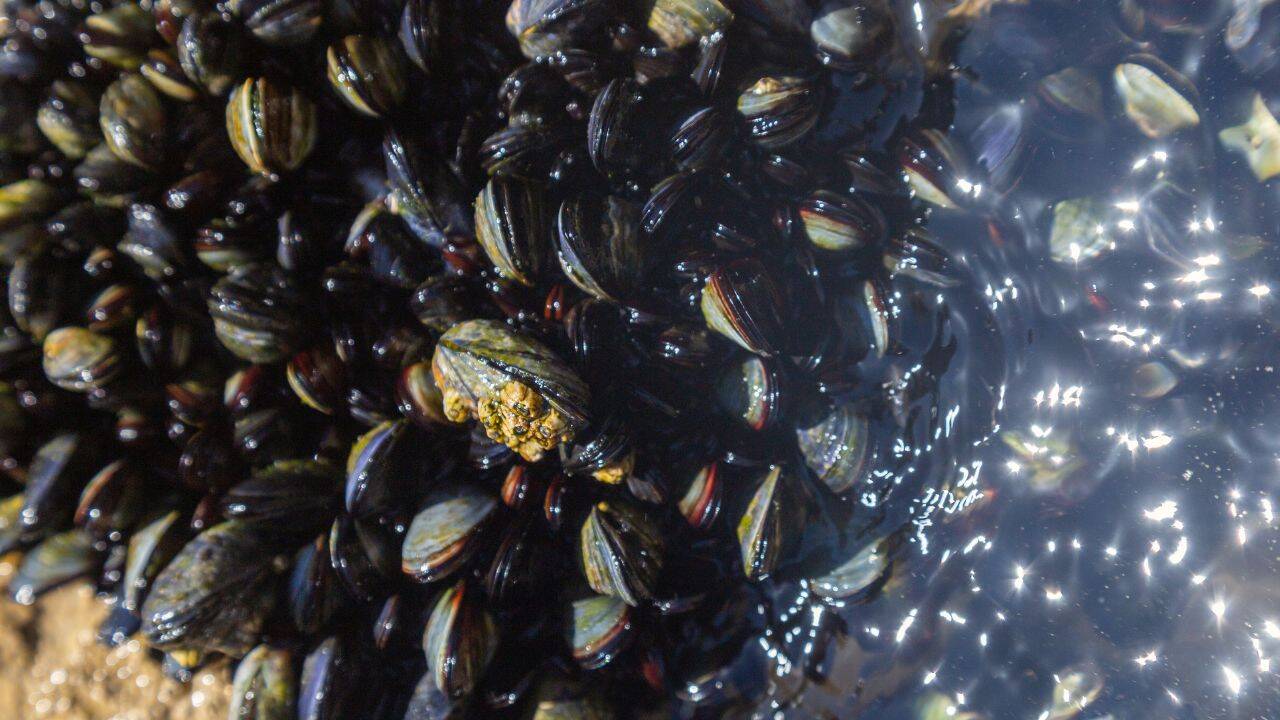
The species at the centre of the research is Bathymodiolus azoricus, a mussel found around hydrothermal vents along the Mid-Atlantic Ridge, including the Lucky Strike vent field. At depths of approximately 1,700 metres, these animals live around underwater chimneys that release hot, mineral-rich fluids into the surrounding seawater.These hydrothermal systems create an environment that is rather different from the shallow coastal waters where most familiar mussel species are found. The animals have to withstand enormous water pressure and live in the presence of fluids containing heavy metals. While the fluids emerging directly from the vents can reach temperatures of around 350°C, the mussels occupy the surrounding areas, where temperatures are much lower, generally between 4°C and 9°C.
(Image credit: Canva)
There is no sunlight or moonlight to provide the usual environmental signals associated with day and night. However, the movement of the tides still influences the ecosystem. As the tides change, the direction of hydrothermal fluid flow can also shift, affecting the conditions around the mussels.Researchers had previously observed that these animals displayed biological rhythms connected to the tides, both in their behaviour and at the molecular level. Their activity and certain biological processes followed a cycle of approximately 12.4 hours. What remained unclear was how an animal without a centralised brain could generate and maintain such precise rhythms.
Keeping deep-sea cells alive in a refrigerator
To investigate this, the research team first had to overcome a considerable technical challenge. Studying the biology of an organism that lives under extreme pressure and at low temperatures is difficult, particularly when researchers want to examine what happens inside its individual cells. The team therefore worked on establishing cell cultures from Bathymodiolus azoricus. This was the first successful attempt to develop such cultures from this deep-sea mussel, allowing scientists to investigate its cellular processes without having to conduct every experiment on the living animal.There was another unusual aspect to the process. Unlike many laboratory cell cultures, which are generally maintained at temperatures between 25°C and 37°C, these mussel cells were kept at approximately 4°C, in conditions resembling the cold environment in which the animals naturally live. In other words, the researchers were able to keep the cells alive in a refrigerator.The team found that cells taken from the mussel’s foot tissue were particularly suitable for the experiments. They established multiple primary cultures and managed to maintain them for more than three years. This was significant because earlier attempts to culture cells from marine organisms had generally faced difficulties with long-term survival, particularly in species living at comparable depths.The most surprising finding emerged when researchers examined the cells under constant laboratory conditions. Although the mussels predominantly experience tidal rhythms in their natural habitat, their isolated cells displayed circadian rhythms, which follow an approximately 24-hour cycle.Much like how a clock tells the time, a biological clock regulates different processes in living organisms over roughly a day. This is known as a circadian rhythm. Humans, for instance, have circadian rhythms that influence sleep, wakefulness and other bodily functions. These clocks are generally associated with environmental signals such as daylight, which help organisms synchronise their internal timing with the outside world.The researchers also investigated the molecular machinery responsible for these rhythms. They identified core clock genes, including clock, bmal, period and cryptochrome, which are also involved in the biological clocks of organisms such as fruit flies and humans. However, the mussels possess certain modifications in how these genes interact.One particularly interesting finding concerned the genes period and cryptochrome 2. The researchers’ experiments suggested that the Period protein can influence the activity of Cryptochrome 2, a key component involved in regulating the clock. More specifically, the Period protein was found to enhance the repressive activity of Cryptochrome 2 and influence its stability and movement into the cell nucleus. The way these molecular components interact could help explain how the same biological timing machinery may contribute to different rhythms.
Why understanding their clocks matters
The research, beyond giving an insight into the biology of this marine species, also raises questions about the possible effects of human activity on deep-sea ecosystems.Hydrothermal vents are among the least explored habitats on Earth, but they are increasingly attracting attention because of the mineral resources associated with the ocean floor. Deep-sea mining, in particular, has raised concerns about the potential disruption of fragile marine environments.While the precise consequences of disrupting these clocks in deep-sea mussels have not yet been determined, the discovery indicates that these ecosystems have more complex biological processes than might be apparent from their seemingly unchanging surroundings.Unlike us humans, animals that live in the depths of the ocean, in perpetual darkness, do not measure time by the rising and setting of the sun. It is the movement of the tides, the conditions around underwater vents and the biological mechanisms operating within their cells that go on to define their clocks. As research continues to investigate their hidden rhythms, we learn that even a small group of cells surviving in a refrigerator could help explain how life is sustained in the deepest parts of the ocean.