









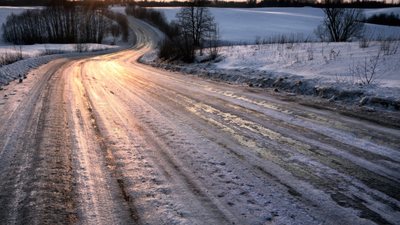
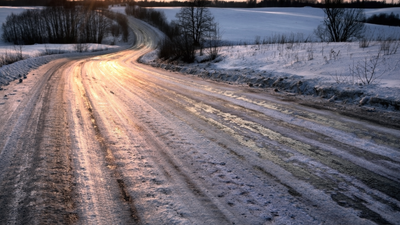
Winter is almost here, as subtle spells of snow blanket the mountains at higher altitudes in the region.Snow piles up at the roadside, wipers work overtime, and life slows down. This is a common sight as we head to the mountains to celebrate the upcoming festive season.But some of the most dangerous moments on a winter road occur on days that look perfectly fine. The sky is clear, the sun is out, and the road looks dark and dry, and then the car suddenly feels as if it has lost its grip.But what exactly is this invisible troublemaker, and what should every traveller keep in mind before heading out on a cold road?
What is black ice ?
Black ice is a thin, transparent layer of ice on a road. Because it is clear, the dark asphalt shows through, which is where the name comes from. This clear coat blends into the pavement and takes drivers by surprise. According to National Geographic, it is also called clear ice, and it freezes without the trapped air that makes other ice look chalky and easier to notice.
How does it form?
Most black ice forms during freeze-thaw cycles, when temperatures hover around freezing (0°C). Rain or melting snow wets the road by day, and the water refreezes at night, but sometimes freezing rain can also create it, and so can fog, mist or even car exhaust vapour that freezes on cold pavement.Michael Muccilli, a meteorologist with NOAA’s National Weather Service, told National Geographic that black ice can appear with no precipitation, so it can “sneak up on you.” He also explained that it needs some liquid, such as rain, snowmelt or fog droplets. So it forms less in very cold weather and more when temperatures swing around freezing. Even though the thermometer may read above 32°F, yet the pavement can still be colder than the air.
Where should the travellers be extra careful?
Bridges and overpasses freeze first because cold air flows underneath them, not just above. This cools the road surface much faster than normal ground-level roads. Tunnels, underpasses, and shady roads are also risky, since the sun rarely reaches them to warm the areas.Less busy back roads can also be home to black ice. They often get less impacted, and with fewer vehicles passing, there is less friction to warm the surface. Passersby should also be careful, as black ice can form on sidewalks, steps, and decks, so watch your step too.
How can you spot it?
According to AccuWeather and US forest department, drivers should always anticipate black ice possible whenever roads are wet and temperatures are near freezing. Look for patches that look shinier or wetter than the pavement around them, or that reflect headlights differently at night.
What should travellers keep in mind?
Before you leave, check the forecast and road reports. Then slow down, leave plenty of space between cars, and avoid distractions.If you hit a patch, stay calm. Keep the steering wheel straight, don’t apply sudden brakes, and take your foot off the accelerator. The US Forest Service says patches usually don’t extend beyond about 20 feet, and its advice is to “do as little as possible.” If the car starts to skid, steer gently in the direction you want to go and don’t overcorrect.