









It began as an ordinary evening at home and became one of Australia’s most talked-about snakebite cases. According to ABC News in December 2016, a 77-year-old man named David Pitt found a coastal taipan in his living room at Yorkeys Knob, north of Cairns, and tried to deal with it himself. He had been trying to kill the 1.5-metre snake with a shovel, and he died in hospital six days after being bitten. The story still gets shared years later because it shows how quickly a household encounter can turn dangerous. Here’s what happened, why this snake is so feared, and what to do if one ever gets inside your home.
A Tuesday evening that went wrong
It was around 8 pm on a Tuesday in December 2016 when the 1.5-metre taipan was found in the man’s living room. Paramedics said Mr Pitt wasn’t wearing shoes at the time, and the snake bit him between his toes. It all happened within seconds, and it’s a reminder that bare feet and a cornered snake make for a very bad combination. The paramedic who attended said it was a nasty bite, on his right foot. Help was called quickly, but his condition worsened fast.
Six days in hospital
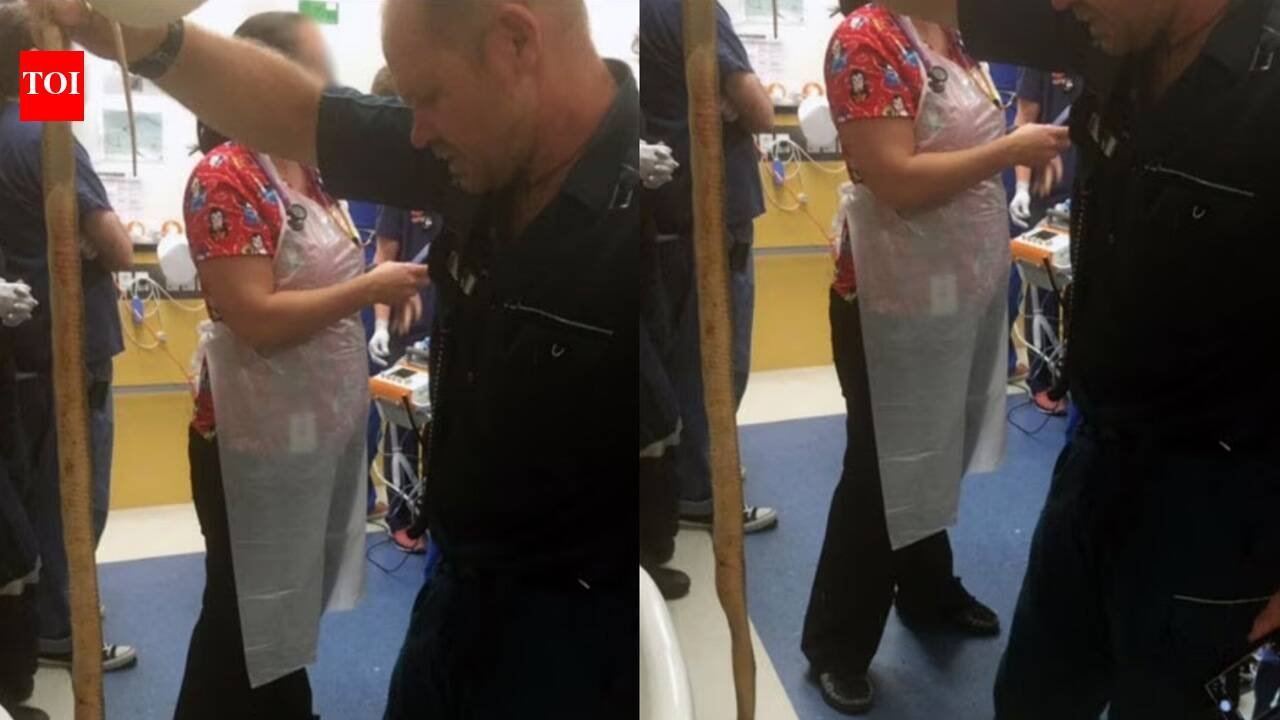
He went into cardiac arrest, was revived by paramedics and taken to intensive care. Paramedic Valerie Noble raced a dose of antivenom to the house while listening to colleagues describe his rapid decline, and he was given another dose in hospital. She told reporters there was a lot of blood at the scene, so it was possible the snake had hit a vein, which could have meant a very rapid delivery of venom. Cairns Base Hospital said Mr Pitt died six days after the bite. The snake was killed and taken away by paramedics.
Why a coastal taipan is so dangerous
Coastal taipans are among the top-10 most venomous snakes in the world. Their venom affects the nervous system and the blood’s ability to clot, and bites are always fatal if left untreated. That’s why timing matters so much, and why any suspected bite is treated as an emergency. Coastal taipans live along Queensland’s northeastern coast, in habitats ranging from forests to sugarcane fields, and they can end up near homes, especially when the weather warms up.
Why trying to kill the snake is a bad idea
Most snakes don’t want a fight, they want to get away. Queensland’s education department advice is blunt: never attempt to catch or kill a snake, because snakes are not usually aggressive and don’t go looking for people. Trying to hit one with a shovel means getting close, and a snake can strike far faster than most people can react.
If a venomous snake gets inside your home
Stay calm and move away slowly, keeping your eyes on the snake if you can do so safely. Get children and pets out of the room, and close the door behind you so it can’t wander further. Don’t try to herd, grab or kill it. Queensland Health says that if there’s a snake in your yard, you should not try to kill or capture it yourself and should find a local snake catcher to remove it. Wear shoes inside while you wait, and if you can, take a photo from a safe distance to help the catcher identify it.
If someone is bitten
Call your local emergency number straight away, which is 000 in Australia, and keep the person calm and as still as possible. In Australia, the recommended first aid for all venomous snake bites is the pressure-immobilisation technique: a firm bandage over the bite and along the limb, with the limb immobilised. Don’t cut the bite, suck out the venom or use ice or a tourniquet. Mayo Clinic also advises moving away from the snake and not trying to catch or trap it. Advice differs by region and species, so follow local emergency guidance where you live.