










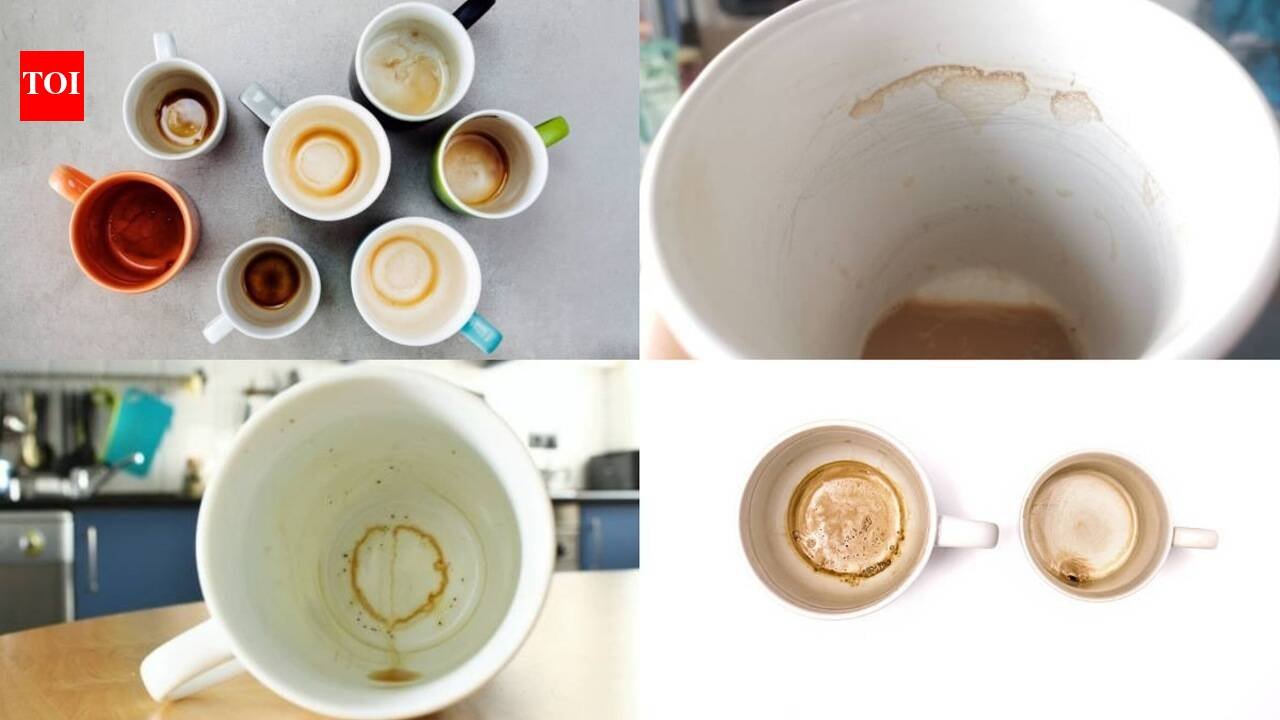

There’s a particular kind of embarrassment in reaching for your favourite mug to offer a guest a cup of tea, only to notice the inside has that unmistakable brown ring that no amount of regular dishwashing ever quite manages to shift. Coffee and tea stains happen because of tannins, the same compounds responsible for the drink’s colour, gradually building up on porous or slightly textured surfaces every time a mug goes unrinsed for too long after use. The good news is these stains are almost never permanent, and getting rid of them usually takes nothing more than a few ingredients already sitting in your kitchen. Here’s how to make even your most stained mugs look genuinely spotless again.
The everyday baking soda paste
This is the simplest, most reliable starting point for most coffee stains. Sprinkle two to three teaspoons of baking soda directly into the mug, add just enough water to form a thick paste, and scrub gently with a sponge or soft cloth for about 30 to 60 seconds. For older, more set-in stains, let the paste sit for five to ten minutes before scrubbing to give it a bit more time to work. Baking soda’s mild abrasiveness lifts stains effectively without scratching most ceramic or glazed surfaces, and it rinses away without leaving any lingering smell behind.
A vinegar soak for deeper, older stains
When a stain has clearly been there a while, a soak works better than a quick scrub. Fill the mug about halfway with white vinegar, top it up with hot water, and let it sit for anywhere from 15 minutes to a couple of hours depending on how stubborn the staining is, genuinely tough cases can even be left to soak overnight. Vinegar’s acidity is particularly effective at breaking down tannins and dissolving mineral buildup, and a light scrub afterward is usually all it takes to finish the job. Just avoid this method on mugs with metal accents or delicate glazes, since the acidity can affect certain finishes.
Lemon and salt, for a naturally fresh finish
This combination pairs acidity with a bit of scrubbing power, and leaves your mug smelling considerably better than most other methods on this list. Sprinkle coarse salt inside the mug, then squeeze fresh lemon juice directly over it, or use the cut lemon half itself as a natural scrubber, working it gently around the stained areas. Let the mixture sit for around 10 to 15 minutes before rinsing thoroughly with warm water, it works particularly well on milder, more recent stains.
Baking soda and lemon together, for darker rings
For a stain that’s proving particularly stubborn, combining baking soda with lemon juice creates a fizzing reaction that tackles buildup more aggressively than either ingredient alone. Squeeze lemon juice over the stained area, sprinkle baking soda on top, and let the fizz do its work for a few minutes before scrubbing lightly and rinsing clean. If the ring visibly starts fading from the edges inward as you work, that’s a good sign it’s genuinely breaking down rather than just being pushed around the surface.
The surprising denture tablet trick
This one sounds unconventional, but it’s genuinely effective, particularly for deep, set-in stains in travel mugs or steel tumblers where scrubbing is harder to do thoroughly. Drop an effervescent denture tablet into a mug filled with warm water, and let it fizz away for 15 to 30 minutes. The tablet’s cleaning agents work on coffee and tea stains much the way they work on removing stains from dentures themselves, lifting residue without needing any real scrubbing effort on your part at all.
Preventing stains before they set in
The easiest way to avoid a repeat of this whole process is simply rinsing your mug immediately after each use rather than leaving it sitting with dried residue for hours. A quick daily wash with regular dish soap removes most of the oils and tannins responsible for staining before they ever get the chance to properly set. For anyone drinking multiple cups a day, a slightly more thorough clean once a week helps keep buildup from creeping back in between deeper cleans.
Disclaimer:
This article is intended for general informational purposes only. Avoid using bleach or steel wool on mugs, as these can leave harmful residue or scratch the surface, and always test a cleaning method on a small area first if you’re unsure how your mug’s specific finish will respond. For mugs with metal accents, non-stick coatings, or rubber seals, check manufacturer guidelines before using vinegar or acidic cleaners.