









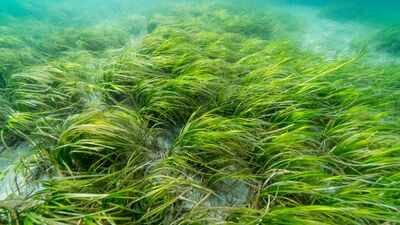
In the shallow waters of Long Island Sound, Connecticut volunteers are using an unlikely pair of helpers to bring back an underwater forest: live clams and eelgrass seeds. Researchers and community members are gluing seeds to clam shells, then releasing the clams at carefully chosen sites where they burrow into the seabed and effectively plant the seeds. The approach, known as Seeds of Eelgrass Attached to Shellfish (SEAS), has already produced encouraging early results, with drone imagery showing a 178 percent increase in eelgrass meadow coverage after the 2025 planting. The work matters because eelgrass meadows in and around Long Island Sound have declined by more than 90 percent since the 1980s, according to Save the Sound. These underwater grasslands shelter young fish and invertebrates, filter water, absorb excess nutrients, stabilise shorelines, and release oxygen. Restoring them is difficult, but the clam planting method may offer a practical, nature-based way to rebuild habitat that has all but disappeared. Read more about it here:
Why eelgrass is worth saving
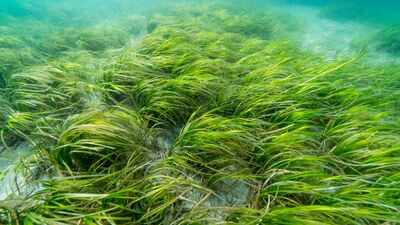
Eelgrass, or Zostera marina, is a flowering plant that grows entirely underwater in shallow coastal areas. Its long green leaves form dense meadows that provide food and shelter for many marine species, including young fish and invertebrates. The plants also help reduce coastal erosion by stabilising sediment and absorbing wave energy.Besides habitat, eelgrass is important for water quality. It brings in more nutrients, filters particles out of the water and adds oxygen to the environment around it. Save the Sound describes the meadows as interconnected with healthy fish populations, clean water, and resilient shorelines, making their loss a concern for the entire Long Island Sound ecosystem.The decline has been driven by decades of pressure from reduced water quality, warming waters, and coastal development. As the meadows disappeared, the benefits they provided weakened as well. Restoring them is not simply about planting a pretty underwater plant. It is about rebuilding a living system that supports marine life and protects vulnerable coastlines.
Clams become underwater gardeners
Traditional eelgrass restoration can be challenging because seeds and young plants often fail to establish themselves in the right place. A different approach is the SEAS method, which uses clams as natural planting tools. Volunteers glue eelgrass seeds to the shells of live clams, which are then released into the Sound at designated restoration sites. The clams, once submerged, carry the seeds down into the sediment as they burrow. As they dig, they place the seeds close to the seabed, where they have a better chance of germinating and growing into eelgrass. The process also recreates a natural relationship between the two species: clams help oxygenate the sediment, while eelgrass catches bits of food that can benefit the clams.The idea was conceived by Robert Vasiluth, founder of SAVE Environmental, and is now being tested by a consortium stewarded through the Connecticut National Estuarine Research Reserve. The on-the-water team includes Save the Sound, Connecticut College, Remote Ecologist, the University of Connecticut, Cornell Cooperative Extension, and Stony Brook University.
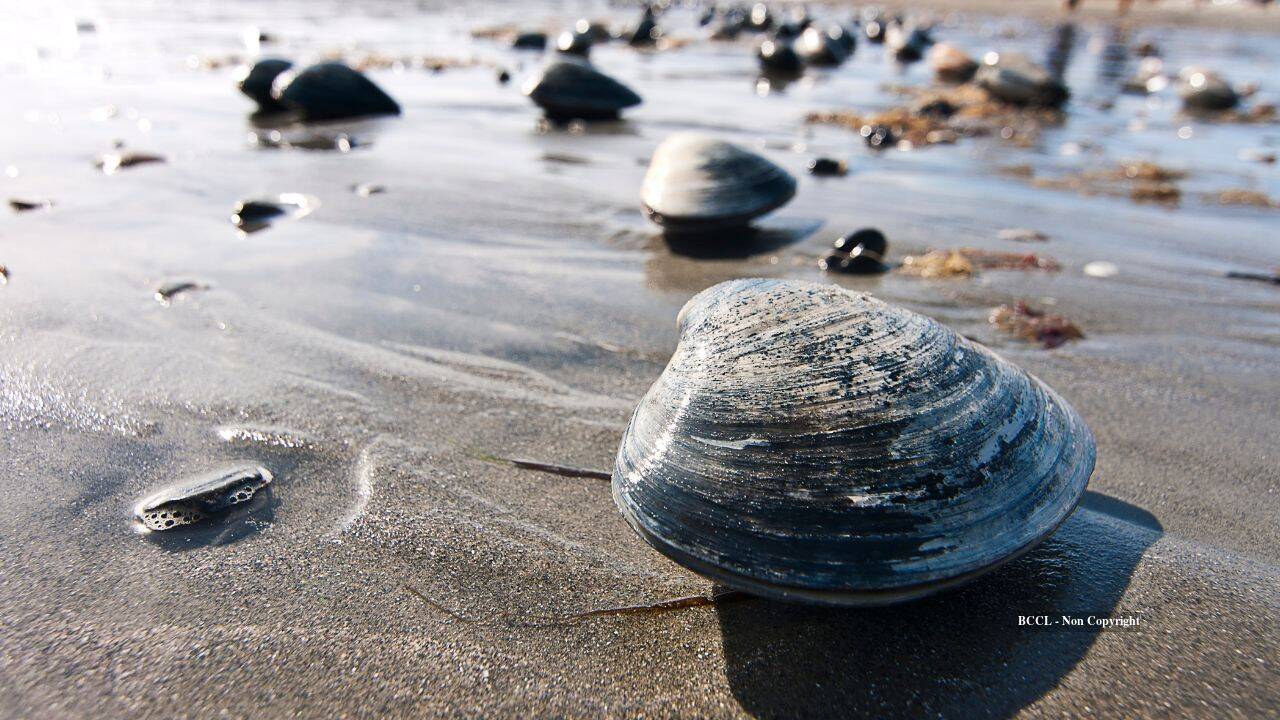
Clams (Representative image)
An early sign of success
In fall 2025, the team planted 30,000 seed-carrying clams in four experimental plots off Duck Island near Westbrook, Connecticut. The site was large enough for researchers to monitor progress from the air using drone imagery. When they checked the results in 2026, they found that eelgrass meadow coverage had increased by 178 percent. Bill Lucey, Save the Sound’s Long Island Soundkeeper, said, as per Popular Science, that the method appears to have worked, but he cautioned that the team needs the plants to survive for three years before declaring full success. Even so, he described the generation of plants as incredible and said the clam planting approach showed real promise after many earlier failed attempts at restoration.The early results are important because eelgrass restoration has often struggled to produce lasting meadows. By letting clams do the planting, the team is working with natural behavior rather than trying to force seeds into place. The method also allows volunteers to participate directly in restoration, turning a technical conservation project into a community effort.
Rice paper, coral glue, and 300,000 seeds
This season, the team is refining how the seeds are attached. In 2025, volunteers used a glue commonly applied in coral reef restoration to fix seeds to clam shells. But Connecticut College biologist Maria Rosa found that wet pieces of rice paper, the kind used for spring rolls, produced better germination rates when used to seal seeds against the shell.The updated method places 10 to 20 eelgrass seeds on the top of each clam, adds a small circle of coral glue, and covers the seeds with a wet rice-paper stamp. The glue holds the paper in place until it dissolves underwater, releasing the seeds beside the clam. The rice paper also keeps the seeds moist during preparation and deployment.The team is aiming to release 10,000 clams carrying 300,000 seeds this season. Volunteers helped prepare the seed-carrying clams earlier this week, demonstrating how local residents can play a direct role in restoring the Sound. Save the Sound says the project has been able to expand thanks to support from 11th Hour Racing’s grant program, which has allowed more dives to collect reproductive eelgrass shoots filled with seeds.
A test for the future of the sound
The next few years will determine whether the early gains become a lasting recovery. Researchers will need to confirm that the young eelgrass survives, spreads, and forms stable meadows rather than disappearing after a single season. Still, the 178 percent increase in coverage gives the team a reason to believe the clam-assisted method could become a valuable restoration tool.If successful, the approach could help restore habitat throughout Long Island Sound, improving conditions for fish, shellfish and other marine life while bolstering shorelines against erosion. It also shows how science, community volunteering and creative problem solving can come together in restoration. In Connecticut, the future of eelgrass may depend on a simple but clever idea: letting clams do the planting.