









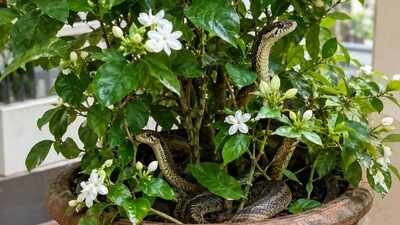
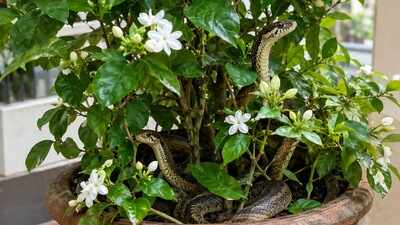
Ask any group of Indian gardeners about snakes, and someone’s bound to bring up jasmine within the first few minutes. It’s one of those things you hear so often, from grandparents, from parents, from that one uncle who’s convinced of it, that most people just accept it without ever really questioning where it came from. Gardening advice, much like many home remedies, is full of ideas that sound completely believable until you actually sit down and examine them. Some of these myths are harmless enough, just quirky little beliefs, but others quietly shape how people garden for years without any real evidence backing them up. So here are five garden myths worth a second look, starting with the jasmine one everyone swears by.
Myth 1: Jasmine plants attract snakes
This has to be the most widely believed garden myth going around in Indian households, and honestly, it’s stopped a lot of people from planting jasmine near their homes even though they love how it smells. The idea probably comes from the fact that jasmine tends to grow as a thick, low shrub that creates cool, shaded ground, and yes, that kind of spot is exactly what small creatures tend to like. But here’s the thing, snakes aren’t actually drawn to jasmine itself, not its smell, not its flowers, none of it. What they’re really after is the cover, the moisture, and the insects or lizards hanging around any dense shrub, jasmine or otherwise. So it was never really about the jasmine. It’s just a good hiding spot, like any other bush would be.
Myth 2: Coffee grounds are good for every plant
Coffee grounds have quite the fan following among home gardeners, often talked about like some kind of miracle fix for tired soil. And sure, used coffee grounds can add a bit of nitrogen and help soil structure over time, that part’s true. But the idea that they’re good for absolutely every plant doesn’t really hold up. Coffee grounds are mildly acidic, which is great news if you’re growing something like roses or hibiscus that actually like acidic soil, but not so great in large amounts for plants that prefer neutral or alkaline conditions. Pile on too much, and you can end up messing with water absorption or inviting mould if the grounds don’t dry out properly. So it really comes down to which plant you’re dealing with and how much you’re using.
Myth 3: Watering plants in direct sunlight burns their leaves
A lot of gardeners take this one very seriously, rushing to water only early morning or late evening out of fear that sunlight will somehow turn water droplets into tiny magnifying glasses and scorch the leaves. Turns out, that’s mostly a myth. Water droplets just don’t have the kind of optical effect needed to actually concentrate sunlight enough to burn a leaf. What does happen, though, is that watering during the hottest part of the day means a lot of that water evaporates before it even gets a chance to reach the roots. So yes, morning or evening watering is still a good idea, just not for the dramatic reason most people think.
Myth 4: Eggshells keep pests away completely
Scattering crushed eggshells around the base of plants is one of those eco-friendly tricks that gets passed around a lot, especially as a way to keep slugs and snails off, and many people treat it like a guaranteed fix. Eggshells do add a little calcium to the soil over time, and their rough edges can put off some soft-bodied pests from crawling over them, so there’s something to it. But it’s nowhere near a complete barrier. A determined pest will usually find its way around a thin layer of shells anyway, and the effect fades pretty fast once the shells start breaking down or get buried under soil and mulch. It’s a nice little addition to your pest control routine, just not something you can rely on entirely by itself.
Disclaimer:
This article is intended for general informational purposes only and reflects commonly held gardening beliefs and general horticultural understanding. Actual plant behaviour, pest control effectiveness, and wildlife activity can vary based on region, climate, and specific garden conditions. For persistent pest or snake concerns, consult a local gardening expert or wildlife authority.