










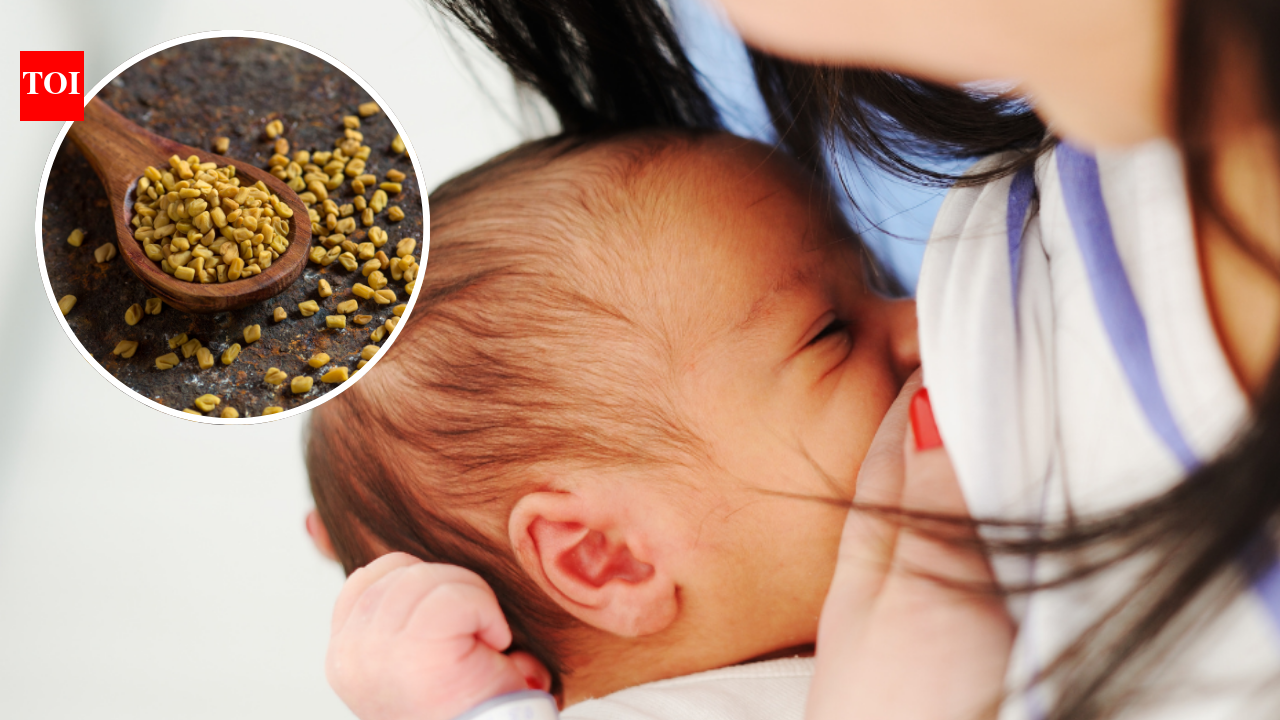
For generations, fenugreek has had a familiar place in Indian kitchens- and in many families, it has also been part of postpartum traditions. New mothers are often advised to eat methi laddoos, drink fenugreek preparations or add the seeds to their diet with the belief that they can help increase breast milk.The idea is not entirely without scientific interest. Fenugreek, also known as methi, is one of the most widely used herbal ingredients marketed as a “galactagogue.”
28 Jul 2026 | 16:26
Which parenting tip from elders actually worked for you?
Does fenugreek actually increase breast milk?
Some small studies have reported an increase in milk production among breastfeeding mothers who consumed fenugreek. A 2018 network meta-analysisexamining different galactagogues also found evidence suggesting that fenugreek may have a beneficial effect on milk supply. However, the researchers noted differences in the quality and design of the available studies.The NIH’s LactMed databasesimilarly notes that one meta-analysis found a mild galactagogue effect, while another found no good evidence that fenugreek reliably increases milk production.In other words, fenugreek may help some women, but it cannot currently be considered a proven or dependable way to boost breast milk.

FIle Photo: Canva
How to know your milk supply is actually low?
This is where breastfeeding mothers need to be particularly careful. A mother may feel that she has “low milk supply” because her breasts feel softer, the baby wants to feed frequently or she is unable to express much milk with a pump. None of these signs, by themselves, necessarily mean that the baby is not getting enough milk.A baby’s weight gain, urine output, feeding effectiveness and overall health are much more useful indicators. The Academy of Breastfeeding Medicine recommends first looking at factors that can affect milk production and milk removal rather than immediately turning to a galactagogue. Improving breastfeeding practices, ensuring effective and frequent milk removal and encouraging skin-to-skin contact are among the measures that can support lactation.
Is fenugreek safe while breastfeeding?
Fenugreek is commonly consumed as a food and spice, but medicinal doses are a different matter.The NIH notes that there is limited information about the safety of taking fenugreek in amounts greater than those normally found in food while breastfeeding. Possible side effects include diarrhoea, nausea and other digestive symptoms. Larger amounts can also lower blood sugar. Allergic reactions are possible in some people. LactMed also reports gastrointestinal problems, allergic reactions and, rarely, more serious adverse effects. It can also interact with certain medicines.
So, should breastfeeding mothers try fenugreek?

FIle Photo: Canva
Fenugreek does have a long history of traditional use, and some women report that it helps them. But current research does not support treating it as a guaranteed milk booster.If a mother genuinely suspects that her milk supply is low, the better first step is to speak with a paediatrician, obstetrician or qualified lactation consultant. They can check whether the baby is transferring milk effectively and identify issues such as poor latch, infrequent feeding, ineffective pumping or an underlying maternal or infant problem. Fenugreek can be discussed as one possible option- but it should not delay finding the reason behind a genuine breastfeeding difficulty.For a new mother already navigating sleepless nights, feeding schedules and the pressure to “make enough milk”, that distinction can be reassuring: sometimes the answer is not another supplement, but simply the right breastfeeding support at the right time.Disclaimer: This article is for general information and does not replace medical advice.