


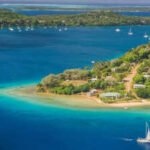

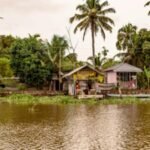





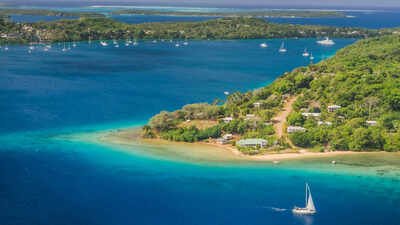
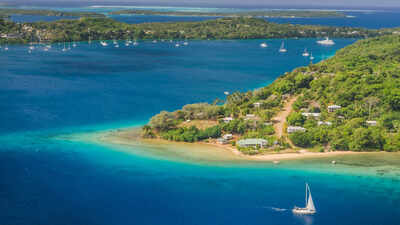
Germany is providing €20 million ($23,079,800) to bring native plants and wildlife back to islands in Palau, Samoa, Tonga and Wallis and Futuna. The grant comes from the German Federal Government through its International Climate Initiative (IKI) and will fund a multi-year project called ‘Restoring Pacific Islands for Nature and People’. The initiative will work alongside national governments, customary authorities and local communities to explore and co-design the restoration of the region’s ecologically and culturally significant islands.Islands are particularly vulnerable to biodiversity loss and climate change, but they can also recover quickly. “Restoring islands garners multiple benefits for entire ecosystems, on which island communities rely for food security, health and climate resilience, now and for future generations,” Dr Penny Becker, Chief Executive Officer of Island Conservation, said in a release.
Pacific island restoration
A healthier island means greater climate resilience, thriving biodiversity and more secure livelihoods for communities. This grant will support island restoration and, in turn, help communities strengthen food security and climate resilience. The project will address biodiversity loss, declining ocean health and the impacts of climate change.Over the next seven years, the project aims to restore native plants and wildlife on islands and islets across Palau, Samoa, Tonga and Wallis and Futuna. The plan is to repair nutrient cycles and create healthy, functioning ecosystems. To achieve this, the team will remove primary threats, such as invasive species, to help native species return and thrive.By restoring entire ecosystems, the programme aims to improve outcomes for both nature and people. Its benefits include healthier forests, recovering seabird populations, stronger food security, better public health and greater resilience to climate change.“It is great to see ambition in the region growing,” David Moverley, Invasive Species Adviser at the Secretariat of the Pacific Regional Environment Programme (SPREP), said. “The huge increase in consolidated outcomes achieved over the past six years through key partnerships such as the Pacific Regional Invasive Species Management Support Service (PRISMSS) has been magnificent, and this project will make a great contribution to sustaining and building on this effort over the next six years.”The project is run by a consortium that combines external technical expertise with local knowledge. Members include the Secretariat of the Pacific Regional Environment Programme (SPREP), Palau Conservation Society, Vava’u Environmental Protection Association, BirdLife International Pacific and Island Conservation. They work alongside national and territorial governments.Steve Cranwell of BirdLife International Pacific describes the approach as a Pacific-led model combining science, community engagement and more. “Restoring Pacific Islands for Nature and People is a transformational investment helping mainstream and scale island restoration as a nature-based solution through a Pacific-led model integrating science, traditional knowledge, policy reform and community leadership. As climate impacts intensify, healthy islands are among the most effective defences against climate change, benefiting both people and nature,” Cranwell said.The €20 million grant is matched by co-funding from the partners. SPREP has committed more than €460,000 and BirdLife more than €620,000. Island Conservation is working to raise another €1.5 million. The Global Rewilding Alliance has helped secure $1 million from an anonymous donor.“The Pacific is home to some of the world’s most biodiverse islands, yet invasive species threaten both their ecological integrity and the communities that depend on them,” a representative of the Palau Conservation Society (PCS) said. “This project is critical to restoring ecosystems and strengthening resilience, ensuring that island resources continue to sustain life and livelihoods.”A representative of the Vava’u Environmental Protection Association said the work would strengthen biodiversity on Tofua and benefit communities in Kotu and nearby islands. “This project will not only strengthen biodiversity on Tofua but will have far-reaching benefits for communities and livelihoods in Kotu and surrounding islands. The inclusion and engagement of the community and community champions is a critical step in ensuring the project’s success.”“The IKI project is an important step towards protecting the future of our islands,” a representative of Palau’s Department of Conservation and Law Enforcement in Koror State said. “By addressing invasive species and restoring native biodiversity, we are protecting the ecosystems that our communities depend on while strengthening their resilience for generations to come.”