










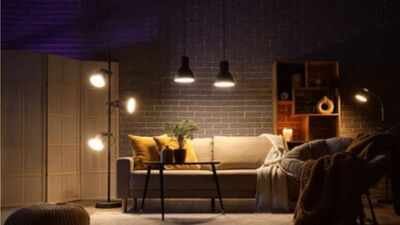
Lighting directly affects our bodies due to its connection to the circadian rhythm. According to Harvard Medical School, light exposure affects the production of certain hormones. Serotonin, which is responsible for happiness and focus, is produced when exposed to light, while melatonin, which is responsible for sleepiness, is produced when it is dark. This has been scientifically proven to affect the body in a positive way when exposed to light.Warm and coolResearch on the science of color temperature shows that blue-enriched light helps to keep the brain awake, while warm light does not affect the suppression of melatonin. Studies in the Sleep Health Journal show that blue light exposure suppresses melatonin, which means it keeps the body from sleeping. However, warm light has little effect on melatonin suppression, which makes it perfect for the evening.Why lighting is important Light exposure has been proven to affect our mood and levels of alertness. Research shows that bright light exposure in the morning can lead to higher levels of alertness and lower levels of fatigue. In fact, this is a scientifically proven method to combat seasonal affective disorder, recommended by the American Psychiatric Association. On the other hand, lighting that is too bright can cause eyestrain.Natural lightOf all lighting, natural light has the most scientific backing. In fact, research published in the Environmental Health Perspectives journal and done by the NIH shows that people who are exposed to more natural light are happier, have better quality and quantity of sleep, and are more productive. Natural light exposure is even connected to better work performance. People who work near a window sleep longer and more intensely than those who do not.Also read:8 ways to use used tea bagsHow to clean mixer and grinder bladesLighting and mental healthThere is a connection between light deprivation and mental health issues. Lack of exposure to natural light has been tied to depression. This is especially true for people who live in areas where there is not much natural light for part of the year. Light therapy is used to treat seasonal affective disorder and is recommended by many health professionals. It is a scientifically proven way to improve mental health and combat sleep deprivation.The science behind light exposure shows that it can be beneficial to use it to your advantage. Exposure to bright light during the day helps to keep the body alert, while dimming your lights at night helps to get better sleep. Artificial blue light exposure should be avoided at night as it suppresses melatonin.Disclaimer: Effects of lighting are research-backed but can vary depending on personal sensitivity and environment. these insights are general and may not apply the same way to everyone.