








Pollinators have changed throughout history
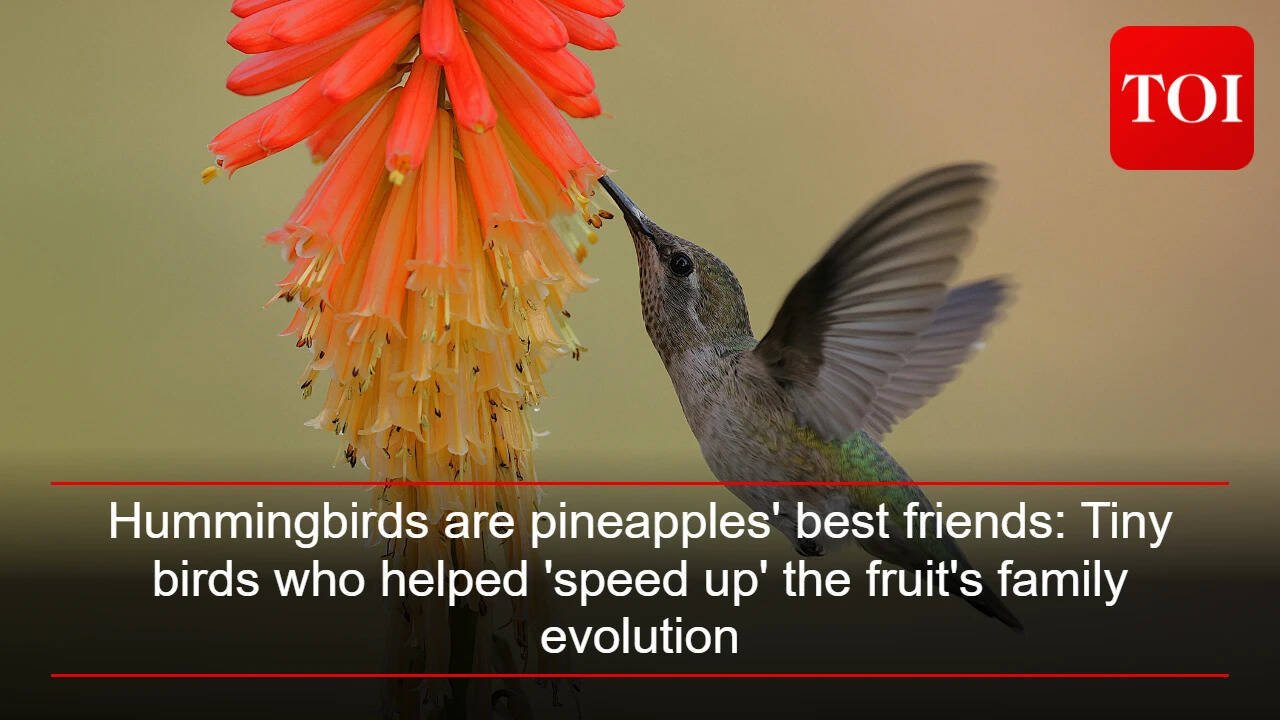
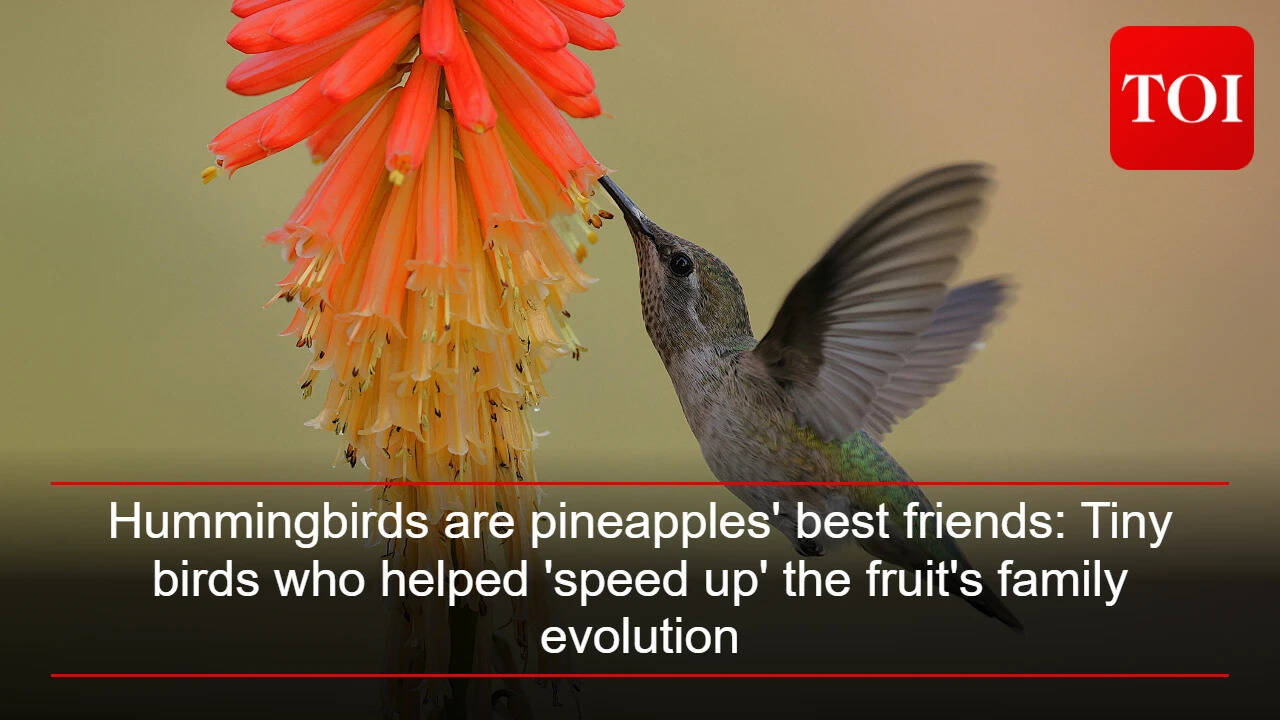
Elizabeth Forward, lead author of the study and a PhD researcher at the University of Reading, explained the change in pollinators over time. According to phys. org, she said, “Bees and wasps were the first to pollinate bromeliads, the plant family that gave us the pineapple, but hummingbirds muscled in later, and not just once.” She added that different branches of the bromeliad family have repeatedly swapped pollinators throughout history, a process that continues even today.Forward also pointed out that this discovery is especially significant considering how young hummingbirds and bromeliads are in evolutionary terms, with much of their diversity having developed within just the last 20 million years, a relatively short span on an evolutionary timescale.
Not just pollinators, but geography also helped diversify varieties
Dr Jamie Thompson, a Leverhulme research fellow and senior author of the study, compared hummingbirds to a kind of evolutionary engine. He explained that the birds tend to feed at high altitudes, where plant populations are naturally divided by valleys and mountain peaks, isolating groups of plants from one another until they eventually evolve into entirely new species over time.Interestingly, despite their unusual appearance and growing habits, pineapples belong to the same family as most other bromeliads, sharing common ancestry and features like long, strappy leaves and central flower spikes, although pineapples grow in soil and produce a large fruit, unlike their smaller, tree- or rock-dwelling relatives.
Plants have different survival tactics, too
Many other bromeliads form water-collecting rosettes known as “tanks,” which serve as tiny ecosystems for creatures like frogs, while popular air plants found in homes worldwide are also part of this family.However, this close evolutionary relationship comes with risks. Increasing deforestation and climate change are threatening the mountain habitats where many bromeliads grow, putting 81% of these plants at risk of extinction. Hummingbirds face similar pressures, with one in ten species at risk of dying out and six in ten already declining in number.Some bromeliads appear to be safeguarding themselves against this risk by relying on multiple types of pollinators instead of just one, a trait observed in around one in six of the plants studied. Researchers believe such flexibility could improve a plant’s chances of survival if its primary pollinator disappears.