








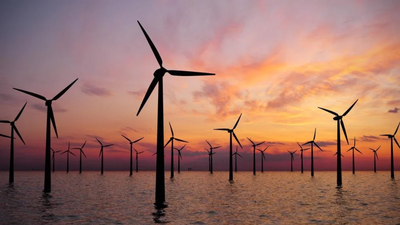
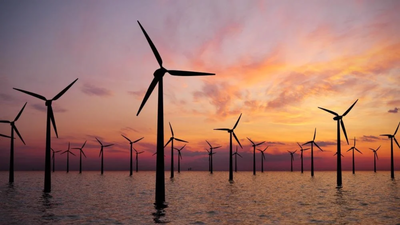
On a 160-acre farm in central Iowa, three tall wind turbines quietly rise above the fields. Each turbine uses less than an acre of land, but together they provide an annual income that has changed the financial future of 75-year-old farmer Evie Haupt. According to a CBS News report by Janet Shamlian and Alicia Hastey, Haupt earns about $35,000 each year by leasing part of her land for the wind turbines. The income rises with inflation and has helped her pay down a $350,000 farm debt left after her husband died a decade ago. Her remaining debt is now $67,000. For many family farms across the United States, extra sources of income have become important lifelines. The U.S. Department of Agriculture expects farm profits to fall by 25 per cent, as farmers face higher costs, changing crop prices and unpredictable weather. Adding wind power to traditional farming can provide steady income and help protect farmers from financial shocks.
A financial lifeline for rural landowners
Farm debt can force families to make difficult choices, including selling land that has been passed down through generations. Haupt faced a major financial challenge after her husband died, leaving behind hundreds of thousands of dollars in farm debt. Payments from the wind turbines gave her a steady source of money that could go toward those loans. Each turbine uses less than an acre, so Haupt can still farm most of her 160 acres. This gives her two sources of income from the same land, while using only a small part of the property for the turbines. The payments can also rise over time because the contracts include inflation adjustments. This helps protect landowners as prices and other costs change. For Haupt, the result has been major. She has paid off more than 80 per cent of her farm debt while keeping the land in use.
The explosive expansion of Iowa wind power
Iowa has become a major wind energy state over the past two decades. According to the U.S. Energy Information Administration, Iowa had only a few hundred wind turbines 20 years ago. Today, it has more than 6,000, producing about 60 per cent of the state’s energy. Across the United States, more than 70,000 land-based wind turbines are operating, according to the U.S. Department of Energy. Nationwide, wind power supplies about 10 per cent of the electric grid. Federal energy officials also say current U.S. wind power cuts carbon emissions by an amount equal to taking 73 million passenger vehicles off the road. Attorney Kathy Law, who grew up on a farm and married a farmer, has helped place nearly half of Iowa’s wind turbines. Her work in energy law grew from her own family’s experience with farming. Law wanted to study law while she was in high school, but the severe farm crisis of the 1980s kept her home to help with the family farm. She later went to law school in her forties. She graduated on the same day her son finished high school and later served as president of the Iowa Wind Energy Association for three years. “From my farm background, I think I can talk their talk and have conversations with landowners that are interested in having wind turbines on their property,” Law told CBS News.
Addressing local pushback and debate
The rapid growth of wind power in rural communities has also brought opposition in some counties. Local critics say wind turbines can change scenic views, create unwanted noise and threaten birds and bats. Law believes landowners should be able to decide what happens on their property. “Nobody’s requiring them to put that on their farms or on their land,” Law said during her interview with CBS News. “We want to be able to put turbines on our land and receive those benefits.” Haupt has a similar view of the changes to her farm. While she remains attached to traditional farming, she sees clean energy as an important step for rural communities. “I look at it as progress,” Haupt told CBS News. “I think we can’t stand in the way of progress.” For Haupt, giving up a very small part of her land to produce electricity makes sense for her finances and for the wider community. “I need to give up one or two acres of my land so that I can generate a commodity that we all use every day, and we all want to use more of it every day,” Haupt said. “So I’m happy to be able to be a part of that generation.”