










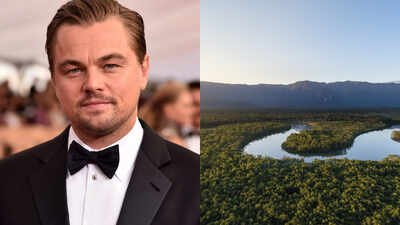
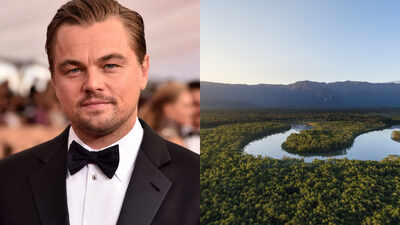
In the Pantanal, where rivers overflow onto vast floodplains and jaguars wander wetlands and forests, wildlife conservation is increasingly reliant on protecting the landscapes that sustain it. In March 2026, Brazil took a huge step toward that goal by expanding two massive conservation areas by a combined 257,531 acres. The development strengthens protection for one of the world’s most important jaguar habitats while contributing to the protection of threatened species, freshwater ecosystems and communities whose livelihoods depend on the wetlands. Conservation group Re:wild, which was co-founded by actor Leonardo DiCaprio, said it valued the efforts of its partners in the wider push to protect the country’s natural landscapes.
Two reserves receive increased protected area
According to the Andes Amazon Fund, the expansion took place on March 23, 2026, and includes two federal conservation units in the Brazilian state of Mato Grosso: the Pantanal Mato-Grossense National Park and the Taiamã Ecological Station.The Pantanal Mato-Grossense National Park has been expanded by 116,782 acres, for a total protected area of 450,653 acres. The expansion is especially significant for jaguar conservation as the park is deemed one of the most important jaguar habitats in the world, with an estimated density of around eight jaguars for every 100 square kilometers.The enlarged landscape also protects wildlife like giant otters, maned wolves, giant anteaters and giant armadillos. Its wetlands and lagoons host threatened bird species like the vulnerable cujubi and red-tailed parakeet. Besides reproduction of commercial species like pacu and pintado, the water bodies are also used by artisanal fishing communities across the upper Paraguay River Basin.The second expansion increased the area of the Taiamã Ecological Station by 140,749 acres, to 168,323 acres. The expanded reserve safeguards flooded tropical forests, wetlands and savanna habitats used by jaguars, giant otters, marsh deer, pampas deer and black howler monkeys, the Andes Amazon Fund said.
A better network against fires and habitat loss
The expansion is also expected to improve ecological connectivity across the Pantanal beyond simply increasing the size of individual reserves. The larger national park reinforces ties with neighboring protected areas, such as Bolivia’s San Matias Natural Management Area, while Taiamã is better aligned with nearby conservation landscapes, such as the Pantanal Wildlife Reserve.These connections are important because wildlife needs space to move between habitats, especially as seasonal flooding changes the availability of food and shelter. The protected lagoons also help maintain water flows during dry and flooding seasons, supporting fish populations and the larger wetland ecosystem.According to the Andes Amazon Fund, another growing concern is wildfires. The number of fires in the Pantanal in 2024 rose as much as 529% over the historical average. Expanding protected areas can help to strengthen landscape-level conservation and reduce the damage from recurring fires.
Leonardo DiCaprio’s conservation group supports wider efforts
The Pantanal project is part of a broader conservation program backed by Re:wld that works with local organizations, indigenous communities and conservation professionals across Brazil.A conservation-focused trip by a delegation led by senior Brazil representative Rodrigo Medeiros and Re:wild founder Leonardo DiCaprio took them through the Amazon, Pantanal and Cerrado during a recent visit to the country. The group met with government officials, Indigenous leaders, scientists and local conservation groups to discuss how to protect biodiversity, restore wildlife populations and strengthen Indigenous rights.In the Pantanal, the delegation visited Caiman, a conservation lodge and research property, and Fazenda Santa Tereza, part of the Alto Pantanal Corridor. Re highlighted the work of Onçafari and other partners working in the recovery of jaguars and protection of public and private conservation landscapes.It also said it helped efforts to protect some 326,180 acres in the Taquari Wetlands with private reserves and a planned new state park.
Connecting Conservation in Brazil
Re:wild is involved in much more than the Pantanal. The organization and its Brazilian partners are backing the Southern Amazon Shield, an initiative to protect more than 14 million acres of forests, rivers and other ecosystems on a major deforestation frontier in the southern Amazon.It also does work to support Indigenous-led conservation. The Chief Raoni Legacy Fund, supported by Re and led by Instituto Raoni, will provide long-term financing for the protection of nearly 8,000 square miles of Kayapó Indigenous territory.According to Re:wild, its fire-related investments in Brazil in 2023 and 2024, including from the Bezos Earth Fund, totaled about $8.5 million. These investments helped bolster protection across vulnerable landscapes by supporting firefighter training and equipment, and Indigenous associations and community fire brigades.The expansion of the two Pantanal reserves in March adds yet another important layer to these efforts. The latest conservation action in Brazil offers greater security for wildlife and communities that depend on one of the world’s most remarkable ecosystems by protecting more wetlands, linking habitats and strengthening the landscape against fires.Images Courtesy: Wikipedia and istock