










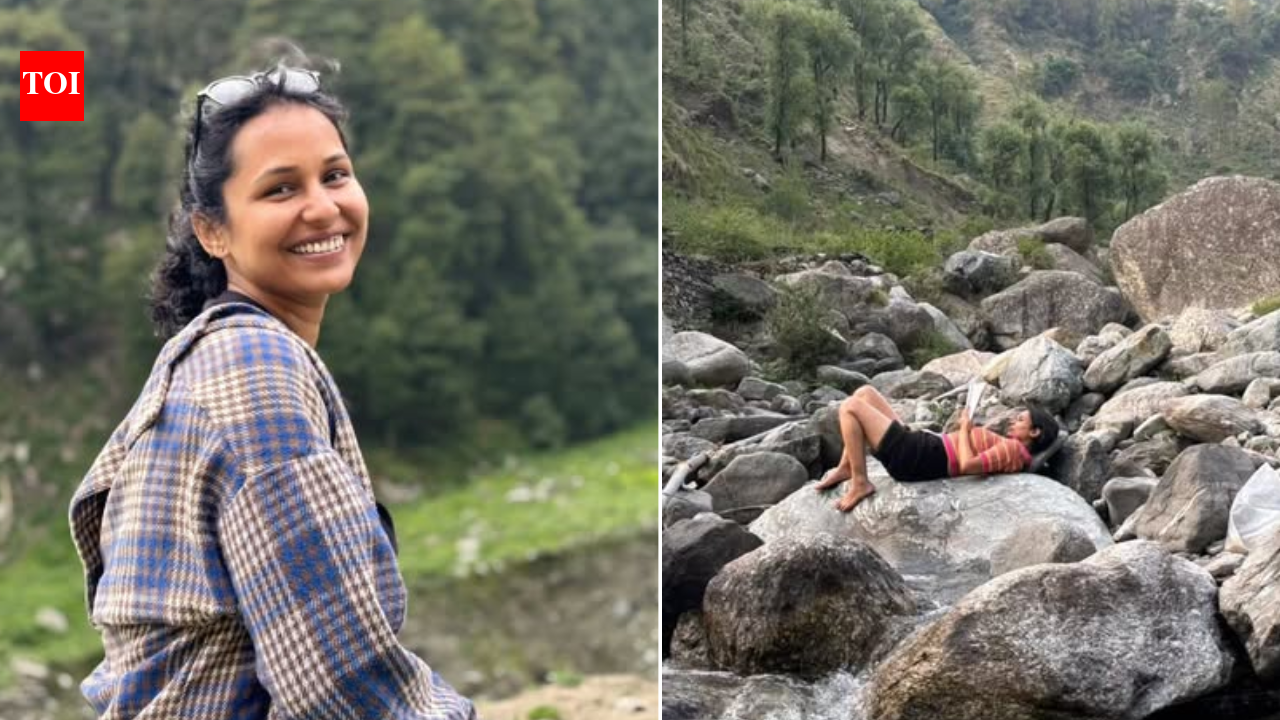
For years, Kanak Agrawal’s life seemed to be following a familiar definition of success. She studied at IIT Kanpur, landed a job with McKinsey in Gurgaon and later co-founded a startup, spending five years building it.On paper, it was the kind of career trajectory many young professionals work towards. But somewhere along the way, Kanak realised that the life she was building did not quite feel like her own. “I didn’t quit because any of it was bad. I quit because none of it felt mine,” she says.That decision eventually took her in a very different direction- away from corporate offices and conventional career milestones and towards a life built around travel, writing, content creation and the freedom to decide how she spends her days.
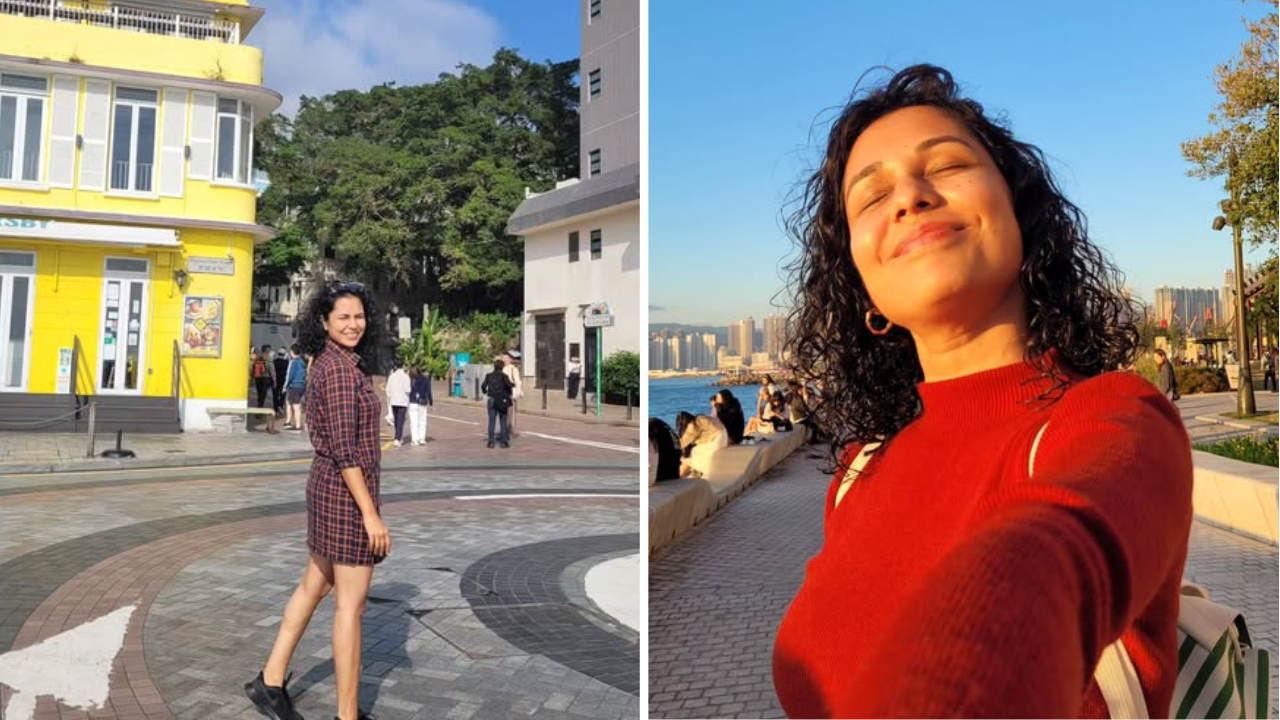
At 31, she decided to step away from the startup and rethink her career.
From IIT Kanpur to McKinsey and a startup
Agrawal grew up near Kota, where IIT coaching was a major part of the environment around her. Her brother had gone to IIT, and she followed a similar path, eventually joining IIT Kanpur.Even her entry into the corporate world followed a familiar pattern. McKinsey selected her, and she joined the consulting firm in Gurgaon. But less than two years into the job, she left.Her next chapter was a startup. Friends were working on an idea and she joined them, eventually becoming a co-founder and spending about five years with the company.The startup experience was valuable, but it did not resolve the larger question she had been carrying. “Things went well, but I didn’t feel satisfied,” she told Moneycontrol. At 31, Agrawal decided to walk away again.This time, there was no obvious next corporate role waiting for her.
When work stopped deciding what her life looked like
The biggest change was not simply where Agrawal worked, but how she experienced an ordinary day. At McKinsey, she remembered mornings as rushed and anxious. During her startup years, there was always something pending or something that needed fixing. Her days revolved around work and its demands.Life now looks very different. Living amid the hills in Himachal Pradesh, Agrawal says that her mornings can begin quietly, with hot water and 30-40 minutes of journalling. She cooks for herself, has fewer meetings and makes room for people, hobbies and rest. “I don’t have to wait for permission to live,” she said.Her income, however, has also changed. Agrawal works as a content creator and ghostwriter, takes up selected brand collaborations and hosts slow-living experiences for small groups. She has travelled slowly across India and abroad, often living out of a backpack.She openly acknowledges that she earns less than she once did. “Mostly, I’m happy because this life feels like mine,” she said, while also admitting that she sometimes thinks about the opportunity cost of choosing a different path.
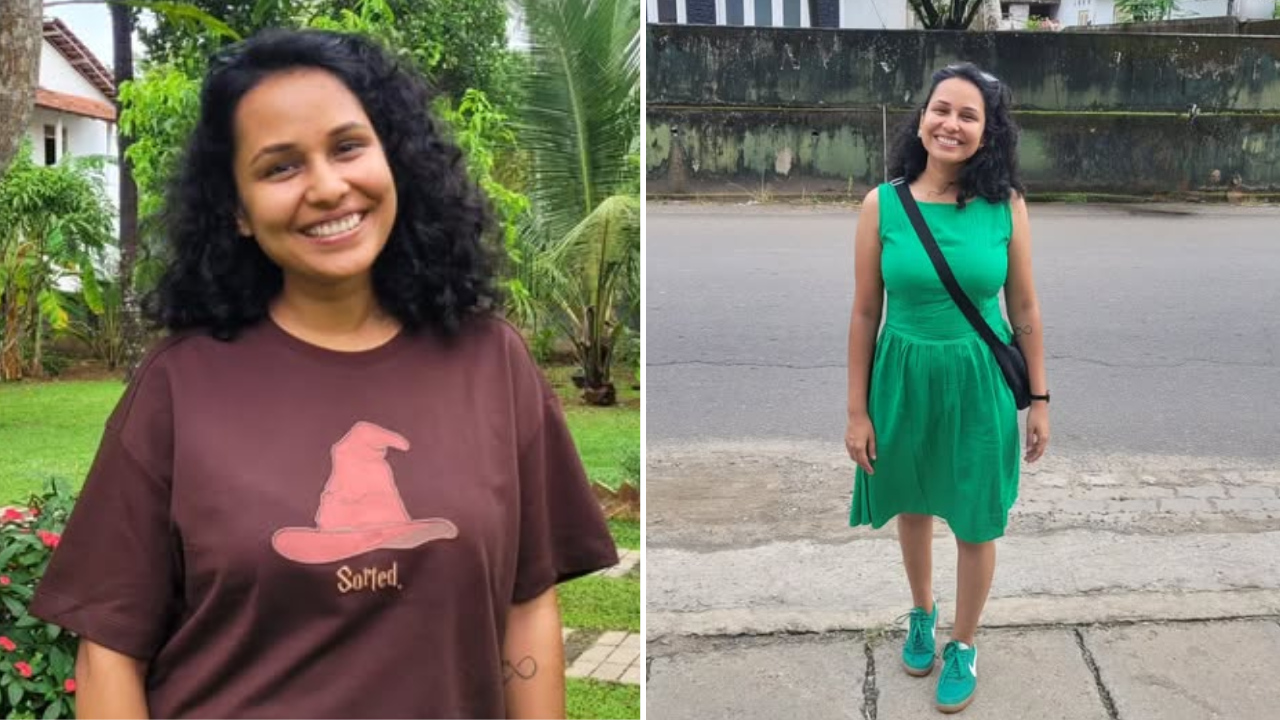
Travel gradually became a bigger part of Agrawal’s life after she left the startup.
The loneliness that comes with freedom
The decision has not made every part of life easier. In a recent reflection, Agrawal wrote about reconnecting with an old friend after 12 years. During their conversation, she spoke about her life on the road and also admitted that she sometimes feels lonely because she is not physically close to her friends.Her friend asked her a pointed question: if she was earning only a fraction of what some of her IIT peers were earning and did not have a fixed social circle, what had this life actually given her?Agrawal said it was a fair question. Her answer was not about money or career achievements. After years of travelling, she said, unfamiliar places no longer frighten her in the same way. She has repeatedly experienced strangers helping her- offering food, shelter, rides or changing their own plans to ensure she reaches somewhere safely.Those encounters, she says, gradually changed her relationship with the world.
Learning to trust strangers
One of the less obvious things Agrawal says she gained from travelling was trust.She recalled that she has never carried pepper spray or another self-defence tool, saying she never felt the need to. For her, the repeated experience of strangers being kind created a different kind of confidence: the belief that even when she does not know what to do next, she will probably figure it out- and if she cannot, somebody may help.That is perhaps the biggest shift in her journey. Travel did not simply take her from one destination to another; it changed how she viewed uncertainty.Instead of trying to control every outcome, she learnt to believe that she could navigate what came next.
What she gave up- and what she got back
Agrawal does not pretend that her choice came without costs. She earns less than many of her IIT peers. She does not have a fixed group of friends she can meet every weekend. Her life lacks the predictability of a conventional career and a permanent home.Her parents, too, were initially shocked when she quit McKinsey and later the startup. Even now, she says, they would prefer that she had stayed on the corporate path and settled in one place. But they have allowed her to make her own choices.There are still moments when she compares herself with people from her peer group. But she also hears from some of them that they envy the flexibility she has created for herself.The harder challenge, she says, is sustaining this kind of life without losing financial stability or authenticity. Working for yourself means there is no boss setting the structure and no conventional safety net.“It takes a lot of mental strength,” she said. Yet that uncertainty is precisely what makes the journey meaningful to her.After years of moving from place to place, Agrawal says she can arrive somewhere she knows nobody and still feel at home. The life is not perfectly sorted, nor is it presented as a blueprint for everyone. It is simply a life she chose after spending years following paths that seemed right on paper.And perhaps that is what has changed most: success, for Agrawal, is no longer only about how much she earns or how impressive her résumé looks. It is about waking up and knowing that the life in front of her is one she deliberately chose.