








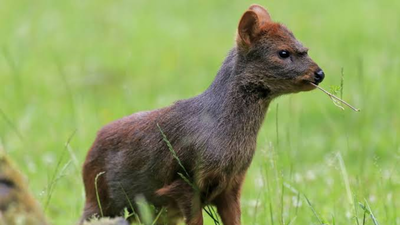
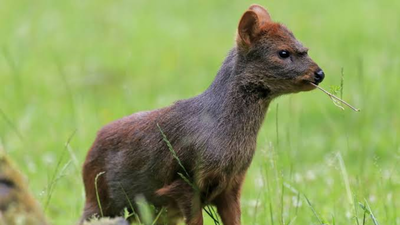
This animal in photos may look more like a small forest mammal, more like a rabbit than a deer, but it is a real member of the deer family. It is a ‘pudu,’ a group of two deer species found in South America and known for their exceptionally small size. The northern pudu (Pudu mephistophiles) can stand only about 32 to 35 cm at the shoulder and weigh roughly 3.3 to 6 kg. That makes the “four apples tall” description a striking visual way to understand its size, although the exact height of four apples naturally varies with the size of the apples. Guinness World Records lists the northern pudu as the smallest deer species, with a maximum shoulder height of 35 cm and weight of up to 6 kg.
The smallest of the deer
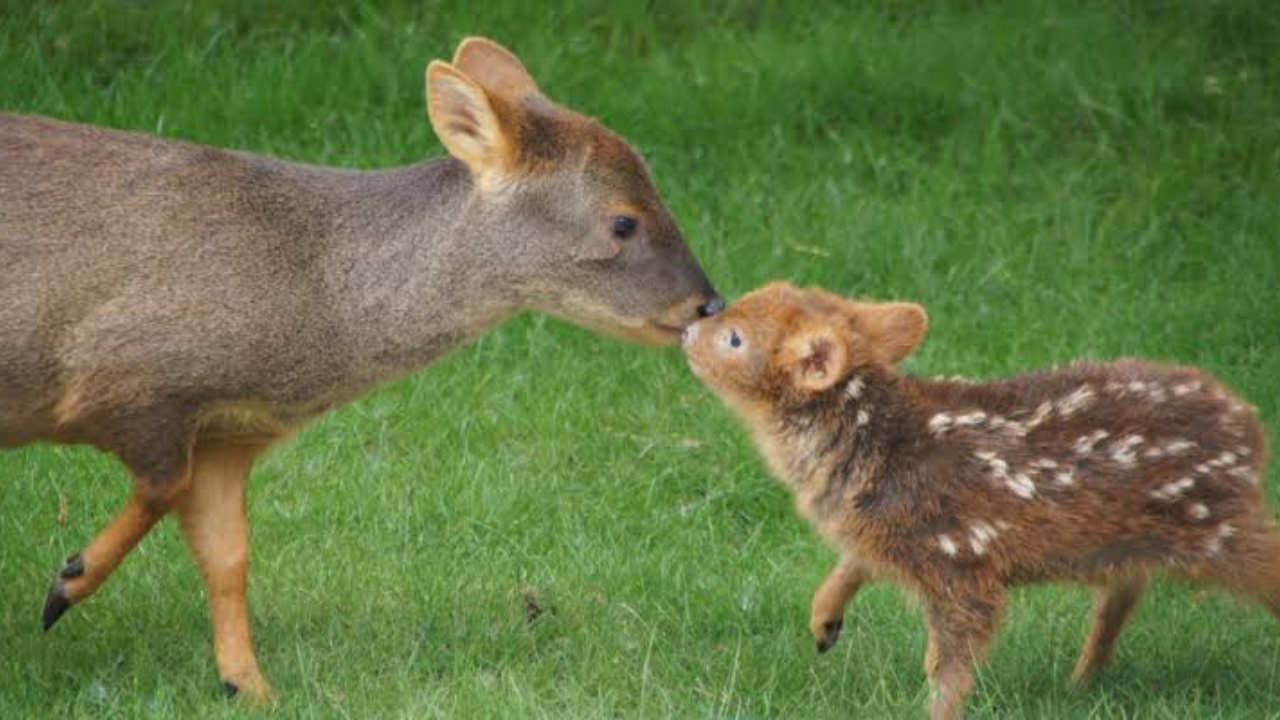
There are two recognised species commonly referred to as pudus: the northern pudu and the southern pudu.
Pudus belong to the deer family, Cervidae, so despite their unusually small size, they are not a separate type of miniature animal. There are two recognised species commonly referred to as pudus: the northern pudu and the southern pudu. The northern pudu is the smaller of the two. It is found in the Andes of Colombia, Ecuador and Peru, generally in high-elevation habitats. Sources on the species describe it as occurring at elevations of roughly 2,000 to 4,000 metres, including montane forests and high-altitude habitats.The southern pudu (Pudu puda) is larger. It is native to southern Chile and southwestern Argentina, where it lives in temperate forests and areas with dense understory vegetation. Adult southern pudus generally stand about 35 to 45 cm at the shoulder and weigh around 6.5 to 13.5 kg, according to the Animal Diversity Web.
Small body, very different habitat
The pudu’s compact size is suited to the thick vegetation of its forest habitat. Southern pudus, for example, are associated with dense understory containing shrubs, small trees and bamboo-like vegetation. They can use narrow trails through the undergrowth and move through forest areas where a larger deer would have more difficulty. According to the Los Angeles Zoo, pudus are active mainly around dawn and dusk and they can move through forest undergrowth, climb over fallen trees and stand on their hind legs to reach leaves or fruit. When threatened, they may run in a zig-zag pattern or remain still in an attempt to avoid detection.
Yes, they have antlers
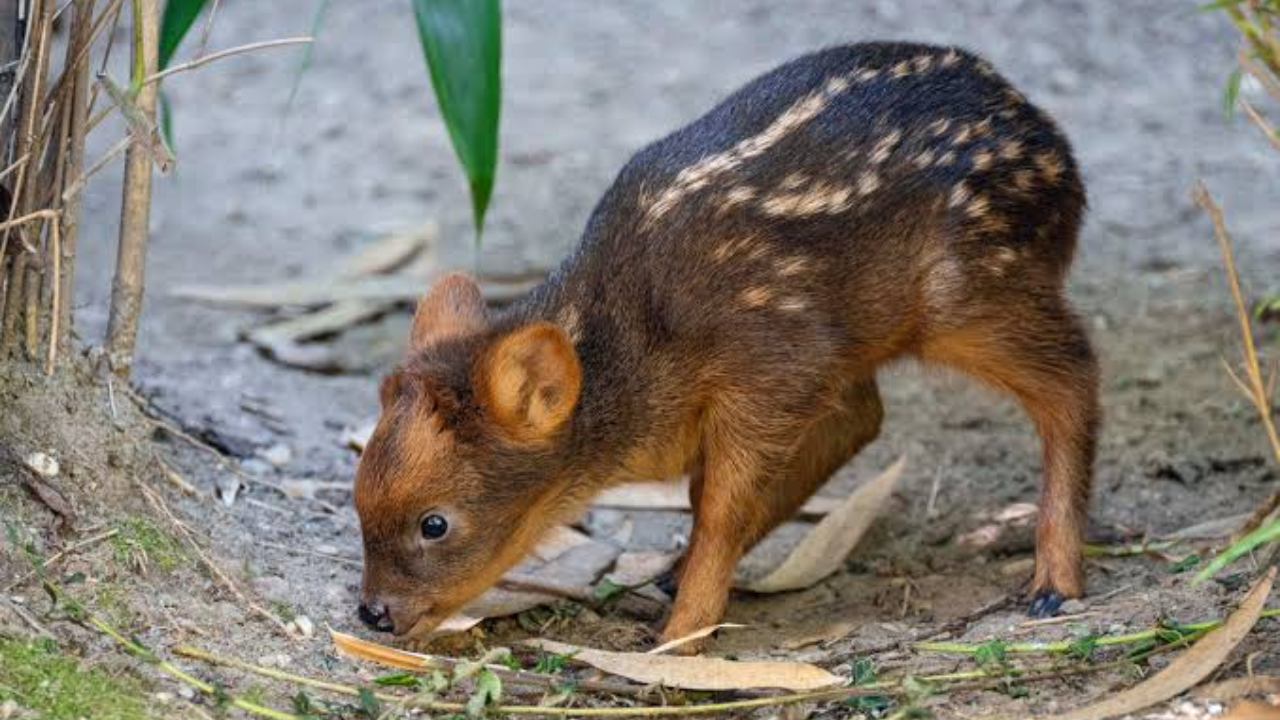
Pudus are also known for being elusive.
Their size does not mean they have lost the features associated with deer. Male pudus grow antlers, although these are tiny compared with those of many other deer species. In southern pudus, the antlers are generally only about 6 to 9 cm long, while northern pudu males have antlers of about 6 cm. Females do not grow antlers. The southern pudu also shows another familiar deer feature during its early life. Young animals have lighter spots on their backs, which disappear as they grow. According to the Animal Diversity Web, these spots are generally lost by around eight weeks of age.
The other pudu is still remarkably small
Even though the southern pudu is larger than its northern relative, it remains exceptionally small for a deer. The Animal Diversity Web describes it as the second-smallest deer in the world, with adults generally reaching 35–45 cm at the shoulder. Pudus are also known for being elusive. Their dense forest habitat makes them difficult to observe, while their small bodies and ability to move through thick vegetation help them stay out of sight. Their predators include pumas, foxes, wild cats, dogs and owls.