










Few fruits announce the arrival of “summer” like watermelons do, and the fruit’s lovers wait round the year to take a relishing bite of the juicy red refresher.Every year, National Watermelon Day is celebrated on August 3, originating in the US as an unofficial holiday that marks the height of watermelon harvest season across the country, giving farmers, grocers, and fruit lovers a reason to celebrate the icon of backyard barbecues and picnic tables everywhere.Beyond the nostalgia and seed-spitting contests, watermelon has also become a topic of research for its health benefits. Scientists have spent the last two decades digging into what’s actually inside this 92%-water fruit, and the findings go well beyond just being ‘hydrating’.
Why is National Watermelon Day celebrated?
While the exact reasons that began the celebration of National Watermelon Day remain unknown, its date remains around the peak harvest season in states like Florida, Texas, Georgia, California, and Arizona, which stand among the country’s largest producers.Watermelon’s story goes back thousands of years to northeastern Africa, long before it became a US summer staple. The holiday itself isn’t based upon any single research body, but it has become a fun excuse for farmers and fruit lovers to mark the season.
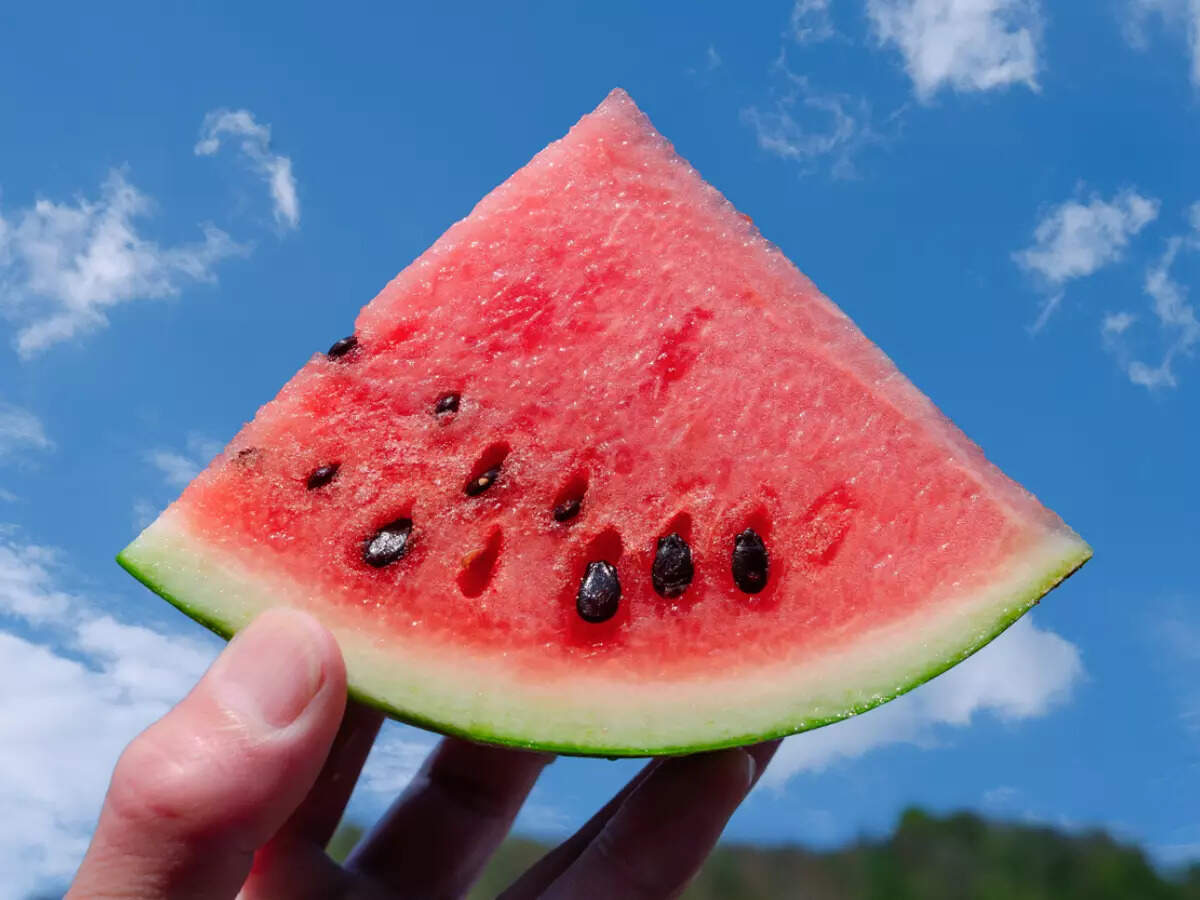
Watermelon seeds, often discarded while eating the fruit, are actually nutritional powerhouses packed with essential vitamins, minerals, healthy fats, and protein.
Watermelon seeds are packed with several beneficial nutrients
The watermelon seeds most people discard are packed with magnesium, folate, iron, zinc, and healthy fats. Watermelon seeds are a good source of magnesium and folate and contain fatty acids that help lower “bad” cholesterol.Roasted seeds can be eaten like pumpkin seeds, offering a plant-based protein boost that most watermelon eaters unknowingly toss straight into the dustbin. A 2026 nutritional analysis published in the International Journal of Agriculture Environment and Food Sciences tested commercially roasted watermelon seeds.The analysis found the seeds were energy-dense, made up about 50% fat and 31% protein, with the fat fraction dominated by polyunsaturated fatty acids like linoleic acid. The mineral analysis showed the seeds are an excellent source of potassium and magnesium, with a quantity of 100g meeting over 90% of the adult daily magnesium requirement.
The 92% water-laden fruit is packed with several nutrients
Watermelon is mainly beneficial due to its high water content, and that’s not just a hydration gimmick. A review in Nutraceuticals and Health highlighted that watermelon’s dense mix of water, vitamin C, provitamin A, magnesium, and potassium has research centered around the fruit’s bioactive composition and its potential antioxidant, anti-inflammatory, vascular, and metabolic benefits. At roughly 46 calories per cup.
Watermelon is linked to blood pressure control benefits
Watermelon contains more lycopene than any other fresh fruit or vegetable, and that pigment does quite more than just colouring the flesh red. According to the Watermelon Board’s review of clinical research, lycopene has been studied for its potential to reduce blood pressure in people with prehypertension or hypertension, though researchers note larger, longer trials are still needed before drawing firm conclusions. A 2020 review in the International Journal of Molecular Sciences also noted lycopene’s benefits in easing oxidative stress tied to cardiovascular disease.
Watermelon consumption has also been linked to post-workout trends
Watermelon is one of the richest natural sources of L-citrulline, an amino acid the body converts into arginine to support blood flow. A meta-analysis in the British Journal of Nutrition concluded that longer-term citrulline and watermelon consumption may improve vascular function in adults, resulting in a plausible mechanism for cardiovascular benefits. Apart from this, a study published in the Journal of Agricultural and Food Chemistry linked watermelon juice’s citrulline content to reduced muscle soreness in athletes after exercise.