












Ask parents of teenagers or grown-up children what they wish they had done differently, and many of their answers sound surprisingly similar. They rarely talk about buying more toys or planning bigger birthday parties. Instead, they mention the conversations they postponed, the moments they rushed through and the simple habits they assumed there would always be time for. Childhood has a quiet way of moving faster than expected. One day, your child wants you to read the same bedtime story for the hundredth time. Before you know it, they would rather spend the evening with friends or behind a closed bedroom door. Psychologists often describe the early years, especially before the age of 10, as a period when children are forming many of the beliefs they will carry about themselves, their relationships and the world around them. No parent gets everything right, and regret is a part of raising children. But looking back, many mothers and fathers wish they had made more room for certain moments while their children were still young enough to welcome them without hesitation. Here are eight things parents often wish they had done before their child turned 10.
Let them take the lead in play
29 Jun 2026 | 15:40
After the Siya Goyal case, Kangana Ranaut argued that parents shouldn’t automatically be blamed. What’s your take?
Adults often feel responsible for planning activities, choosing games and making every moment educational. But children usually remember something much simpler: a parent who entered their world instead of asking them to enter an adult’s. Whether it was pretending the sofa was a pirate ship, building forts out of blankets or hosting imaginary tea parties, these playful moments do more than entertain.

Developmental psychologists say child-led play strengthens emotional connection because children feel seen, heard and accepted without needing to perform or impress. Years later, parents often realise the dishes could have waited, but those invitations to play did not.
Read together, even after they could read on their own
Many parents naturally stop reading aloud once their child becomes an independent reader. Yet those shared reading sessions offer much more than help with vocabulary. Reading together creates a routine where children feel close, safe and relaxed enough to ask unexpected questions. Stories often become a doorway to conversations about kindness, fear, friendship and growing up. Long after children forget the plots of their favourite books, many remember exactly who sat beside them while reading them.
Apologise when they got it wrong
Parents sometimes worry that admitting mistakes will weaken their authority. In reality, children often learn more from an honest apology than from a perfectly handled situation. When parents say, “I shouldn’t have shouted,” or “I misunderstood what happened,” they teach accountability in a way no lecture can. Psychologists believe children who see healthy repair after conflict are more likely to build respectful relationships themselves because they learn that mistakes do not have to end in resentment. Many parents later wish they had apologised more and defended themselves less.
Create family traditions that had nothing to do with money
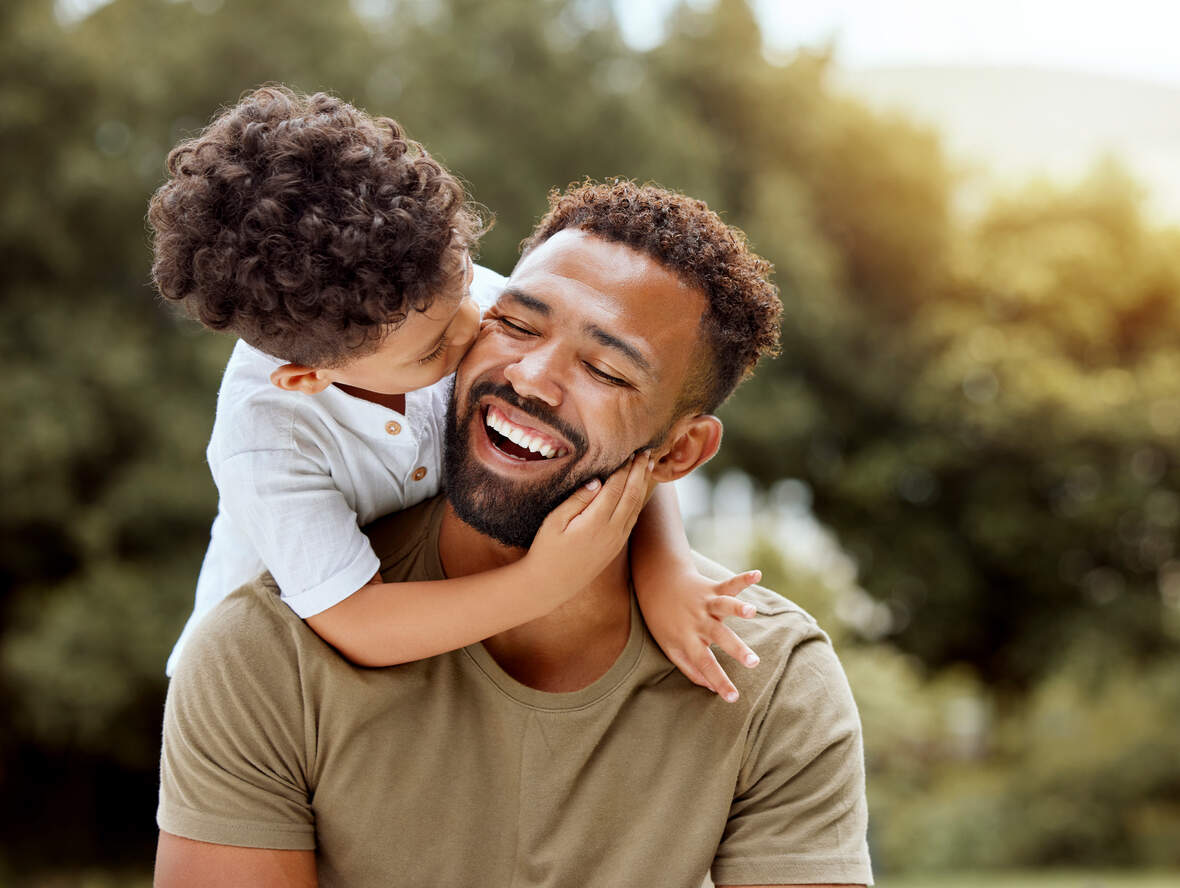
Children rarely judge traditions by how expensive they are. In fact, the rituals families remember most are often the simplest. Friday night homemade pizza, Sunday morning walks, cooking together during the rains or watching the first monsoon shower from the balcony with a cup of hot chocolate can become emotional anchors in childhood. These repeated experiences give children a sense of stability and belonging. Looking back, many parents realise that consistency mattered far more than extravagance.
Teach life skills alongside school lessons
Academic success is important, but many parents later wish they had spent more time teaching everyday independence. Simple skills like making breakfast, folding clothes, planting a seed, writing a thank-you note, managing pocket money or speaking politely to strangers often stay with children long after school lessons fade. Children usually enjoy learning these skills because they make them feel capable. More importantly, they begin seeing themselves as contributors rather than just recipients of care.
Ask more questions and give fewer instructions
Parents spend much of early childhood reminding, correcting and directing. “Finish your homework.” “Brush your teeth.” “Put your shoes away.” While those reminders are necessary, psychologists say children also benefit when parents become curious instead of constantly instructive. Questions like “What was the funniest part of your day?” or “What made you proud today?” encourage children to reflect on their emotions and experiences. They also create a habit of conversation that often survives into adolescence, when open communication becomes even more important. Many parents later realise they spent years talking to their children without always discovering what was happening inside their minds.
Take more photographs with themselves in them
Many parents become the family photographer, capturing birthdays, school events and holidays while rarely appearing in the pictures themselves. Years later, children often treasure the imperfect photographs where a parent is sitting beside them reading a book, baking a cake or laughing at something completely ordinary. These images remind children not only of what happened but also of who was there with them. Countless parents later wish they had worried less about how they looked and simply stepped into the frame.
Tell them they were loved without waiting for a special occasion

Parents often assume children already know they are loved. While that may be true, hearing the words still matters. A simple “I’m proud of you,” “I love spending time with you,” or “I’m so glad you’re my child” can become part of a child’s inner voice. These expressions of affection are especially meaningful after mistakes or difficult days, when children may secretly wonder whether they have disappointed the people they love most. Psychologists have found that consistent expressions of warmth help strengthen emotional security, giving children a stable foundation as they grow more independent.
Childhood is made of ordinary moments
Looking back, few parents regret not buying a more expensive toy or planning a grander birthday celebration. The regrets are usually quieter. Missing one more bedtime story because work felt urgent. Saying “later” too many times. Forgetting to pause long enough to notice how quickly little hands become bigger. The years before a child turns 10 are filled with ordinary moments that often seem forgettable while they are happening. Yet these are the very moments children carry into adulthood. They remember feeling listened to after a difficult day, laughing over burnt pancakes on a Sunday morning or falling asleep while a parent finished one last chapter of a favourite book.There is no perfect way to raise a child, and every parent will look back wishing they had done some things differently. But if there is one lesson that comes up again and again, it is this: children rarely need a perfect childhood. They simply need enough moments where they feel loved, valued and truly seen. Those ordinary moments have a remarkable way of becoming the memories that last a lifetime.