










If you have spent even ten minutes on a home-cleaning reel or scrolled through a “natural cleaning hacks” thread, chances are you have come across the vinegar and baking soda drain trick. The combination is everywhere, recommended by grandmothers, influencers, and even some professional cleaners as a chemical-free way to unclog and deodorise kitchen and bathroom drains. It fizzes dramatically the moment the two ingredients meet, which makes it feel like something powerful is happening inside your pipes. But does that satisfying bubbling action actually clear out grease, hair, and soap scum, or is it mostly a visual trick that leaves the real clog untouched? We break down the science, the genuine benefits, and the situations where this beloved hack simply will not cut it.
Why this hack became a household favourite
Long before liquid drain cleaners lined supermarket shelves, households across India and much of the world relied on ingredients already sitting in their kitchens to keep sinks running smoothly. Baking soda and vinegar fit that description perfectly, cheap, always available, and free of the harsh fumes associated with commercial cleaners. Over the years, the hack has been passed down as a trusted home remedy, and social media has only amplified its popularity, with countless videos showing the mixture foaming up dramatically as it is poured down a drain. That visual spectacle is part of why people believe so strongly in its cleaning power. There is something deeply satisfying about watching bubbles rise and disappear into the pipe, as though the mixture is aggressively attacking whatever mess lies beneath. This perception, combined with the hack’s zero cost and eco-friendly appeal, has cemented it as one of the most recommended DIY cleaning tricks across generations.
What the combination can genuinely do
While it is not a miracle unclogging agent, the vinegar and baking soda combination does offer real, if modest, benefits. The mixture is mildly effective at breaking down small amounts of grease and organic residue clinging to the inner walls of pipes, especially when the drain is only slightly slow rather than fully blocked. It is also genuinely useful for neutralising unpleasant odours, since the acid in vinegar can react with odour-causing compounds and freshen up a smelly sink or drain. Many people also use it as a light maintenance routine, pouring the mixture down drains every few weeks to prevent minor buildup from becoming a bigger problem later. When followed by a flush of hot water, the combination can help move loosened debris further along the pipe. For drains that are not seriously clogged but simply need occasional upkeep, this hack can be a reasonably good, low-effort habit that costs next to nothing and avoids introducing harsh chemicals into your home’s plumbing system.
Where the hack falls short
The trouble begins when people expect this combination to perform like an industrial-strength drain cleaner. For genuinely stubborn clogs, thick knots of hair, years of accumulated grease, tree roots infiltrating outdoor pipes, or solid foreign objects, vinegar and baking soda simply do not have the chemical strength to break through. Commercial drain cleaners typically use much stronger substances, such as sodium hydroxide or sulfuric acid, specifically formulated to dissolve organic matter on contact. In comparison, the acetic acid in household vinegar is far too dilute to achieve the same effect. Plumbers often point out that by the time a drain is fully blocked and water is backing up, the DIY hack has essentially no chance of clearing it, and repeated attempts may just delay proper treatment while the clog worsens. There is also a common misconception that the fizzing reaction somehow generates pressure that forces the clog out, but in reality, the carbon dioxide produced simply escapes upward and outward rather than pushing debris through the pipe with any real force.
The right way to use it, if you choose to
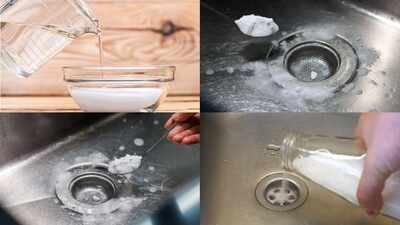
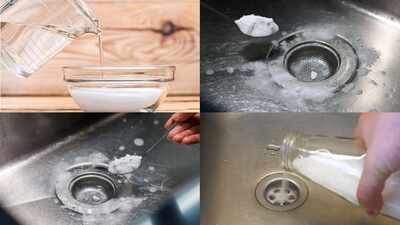
If you still want to incorporate this hack into your cleaning routine, doing it correctly makes a noticeable difference. Start by pouring roughly half a cup of baking soda directly into the drain, followed immediately by an equal amount of vinegar. Cover the drain opening, if possible, so the fizzing reaction is contained within the pipe rather than escaping straight back up and out. Let the mixture sit undisturbed for at least fifteen to twenty minutes, giving it enough time to work on any mild residue along the pipe walls. Afterwards, flush the drain thoroughly with a kettle of hot, though not boiling, water, since boiling water can damage certain types of plastic piping. This process is best treated as routine maintenance rather than an emergency fix, ideally done every couple of weeks in high-use drains like kitchen sinks, where grease and food particles accumulate most frequently.
When you should skip the hack altogether
There are situations where reaching for vinegar and baking soda is not just ineffective but potentially counterproductive. If a drain is already fully blocked and water is not draining at all, the mixture is unlikely to resolve the issue and may simply waste time before you call a professional. It is also worth noting that if you have recently used a chemical drain cleaner, mixing it with vinegar can be genuinely hazardous, as certain combinations release toxic fumes. For serious clogs, tools like a plumber’s snake, a plunger, or professional drain-clearing services remain far more reliable. Homeowners dealing with recurring blockages should also consider whether the issue lies deeper in the plumbing system, such as a collapsed pipe or significant root intrusion, both of which require expert intervention rather than a kitchen remedy.
The final verdict
The vinegar and baking soda drain hack is neither the miracle cure the internet often makes it out to be nor entirely useless. It is best understood as a gentle, affordable maintenance tool, good for keeping mildly slow drains flowing, neutralising odours, and preventing minor buildup from escalating, but not a substitute for proper unclogging tools or professional help when a real blockage sets in. Knowing the difference between routine upkeep and an actual plumbing emergency can save you both time and frustration, and understanding the simple chemistry behind the fizz means you will never mistake a satisfying bubble show for genuine unclogging power again.
Disclaimer:
This article is for general informational purposes only and does not constitute professional plumbing advice. Results of home remedies like the vinegar and baking soda hack can vary depending on the type and severity of the clog, pipe material, and plumbing condition. Never mix vinegar with commercial chemical drain cleaners, as this can produce hazardous fumes. For persistent, severe, or recurring blockages, consult a licensed plumber.