








A 35-year study of the endangered Schaus’ swallowtail butterfly has found that high winds associated with hurricanes were linked to both short-term and longer-term changes in its population. Researchers analysed mark-release-recapture data collected on Elliott Key in Biscayne National Park between 1985 and 2021. The population varied sharply between years, from 56 individuals in 2007 to 11,360 in 1987, but overall showed no consistent increase or decline over time.According to the study published in Biological Conservation titled ‘Long-term population dynamics of an endangered butterfly are influenced by hurricane-mediated disturbance’, high winds were linked to lower population sizes the year after a wind event, while populations were higher four years after strong-wind years.
How high winds affected the Schaus’ swallowtail population
The Schaus’ swallowtail population remained stable over the 35-year study despite substantial year-to-year changes. Researchers estimated 56 individuals in 2007, the smallest population estimate, and 11,360 in 1987, the largest. The estimates showed no consistent positive or negative trend over time.The study used 23 years of population estimates from mark-release-recapture data collected between 1985 and 2021. Surveys were conducted along a 6 km section of trail on Elliott Key, mainly between April and June, when the butterflies were in their flight period. The researchers found that population size was linked to wind conditions.
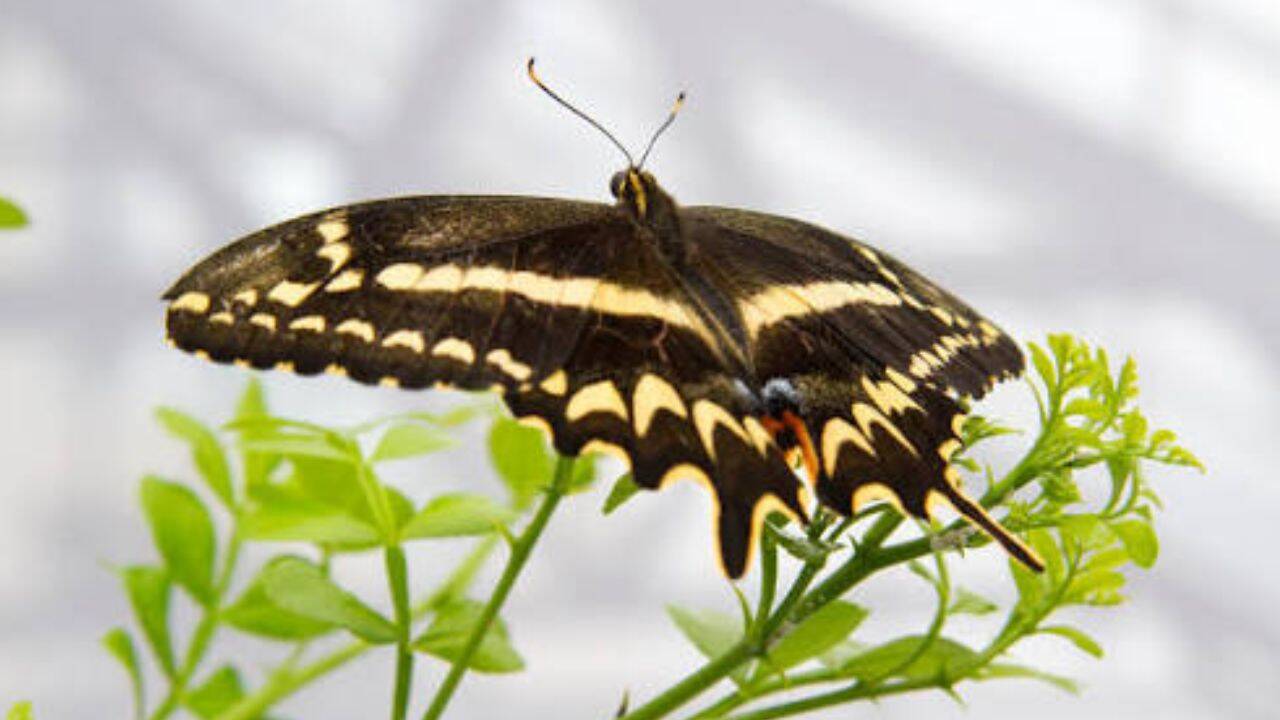
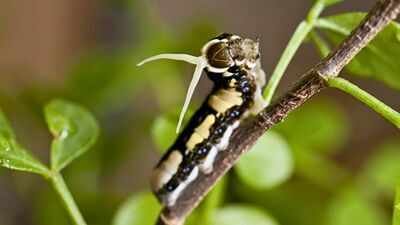
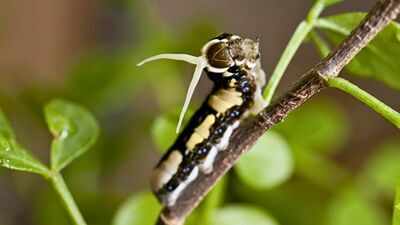
PC: Wikimedia Commons
How did hurricanes affect the butterfly population over time
The study found that high winds affected butterflies differently depending on how much time had passed since the event. The population was smaller in the year after high winds but was larger four years after the high-wind event. Population growth was lower when the population had been larger the previous year, indicating negative density-dependence.The researchers suggest that hurricanes may initially kill butterflies through storm surge and vegetation loss. In the years that follow, treefall gaps and changes in plant communities may increase the amount of flowers and nectar available to adult butterflies.
Warmer conditions were linked to smaller butterfly forewings
Schaus’ swallowtails live in hardwood hammock forests in Florida, where their larval host plants include Amyris elemifera and Zanthoxylum fagara. The study found that weather conditions also affected the size of individual butterflies. Females had larger forewings than males. Forewings were smaller in years when larvae experienced warmer temperatures.Forewing length was larger in years following greater wet-season precipitation. The researchers confirmed adult butterflies in August and September. The available data were insufficient to estimate population size during this second flight period, which leaves open the possibility that the species may have two generations each year.
Long-term monitoring showed a stable population despite yearly changes
The researchers indicate that the dataset was especially important because short-term observations could have produced a different picture of the butterfly’s population status. Population estimates fluctuated from under 100 to more than 10,000 individuals, yet the long-term population remained stable. The study describes Schaus’ swallowtail as resilient to environmental and demographic variation, while noting risks linked to its small, fragmented range.The researchers noted that tropical cyclones can have positive, negative, and neutral effects on ecological communities and species. They recommend continued efforts to understand how tropical cyclones affect insect populations.